Why Regular Maintenance is Key to Historic Building Preservation


The Importance of Regular Maintenance
Preserving historic buildings is a responsibility that goes beyond mere aesthetics. These structures are cultural treasures that connect us to our past, offering insights into architectural styles and historical events. However, maintaining these buildings requires consistent and careful attention. Regular maintenance is key to ensuring their longevity and continued relevance.
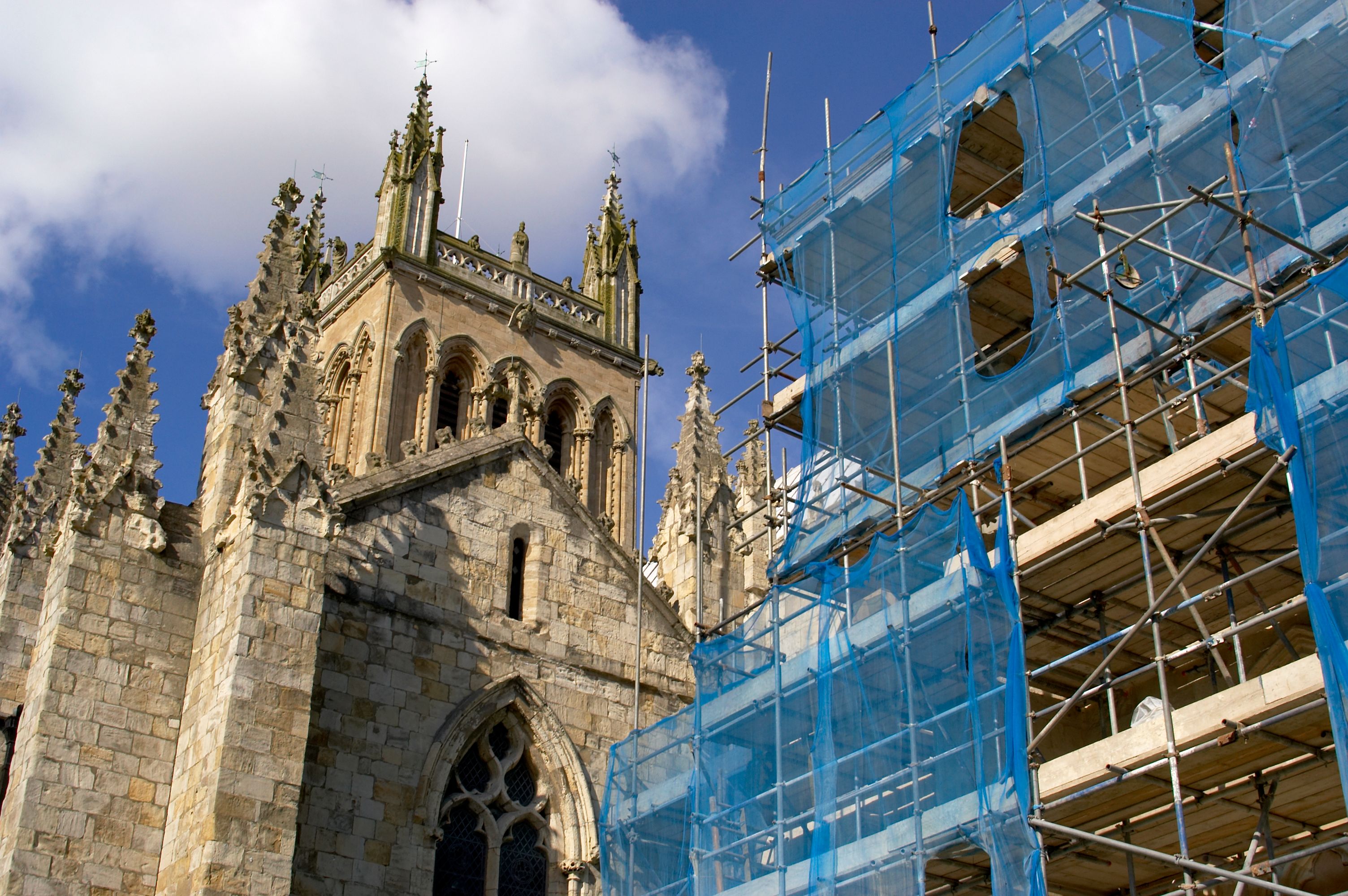
Ignoring maintenance can lead to severe deterioration, resulting in costly repairs or even the loss of the building. Regular upkeep not only prevents such scenarios but also enhances the structure's appearance and functionality. It's essential to recognize that maintenance is an ongoing process, not a one-time task.
Preventing Structural Damage
One of the most significant benefits of regular maintenance is the prevention of structural damage. Over time, weather elements such as rain, wind, and temperature fluctuations can wear down materials. Regular inspections and repairs help mitigate these effects, ensuring the building remains safe and stable.
For instance, checking for cracks in the foundation, inspecting the roof for leaks, and ensuring proper drainage can significantly reduce the risk of major structural issues. Addressing minor problems before they escalate is crucial in preserving the building's integrity.

Preserving Historical Integrity
Historic buildings often feature unique architectural elements that require special care. Regular maintenance helps preserve these distinctive features, such as ornate moldings, vintage windows, and intricate facades. Preservation efforts should focus on maintaining the original materials and craftsmanship whenever possible.
Using traditional techniques and materials during repairs not only maintains the building's authenticity but also respects its historical significance. This approach ensures that future generations can appreciate the original character of these structures.
Cost-Effective Preservation
While some may view maintenance as an unnecessary expense, it is actually a cost-effective strategy for building preservation. Routine maintenance is typically less expensive than extensive restoration projects. By investing in regular upkeep, property owners can avoid the high costs associated with significant repairs.
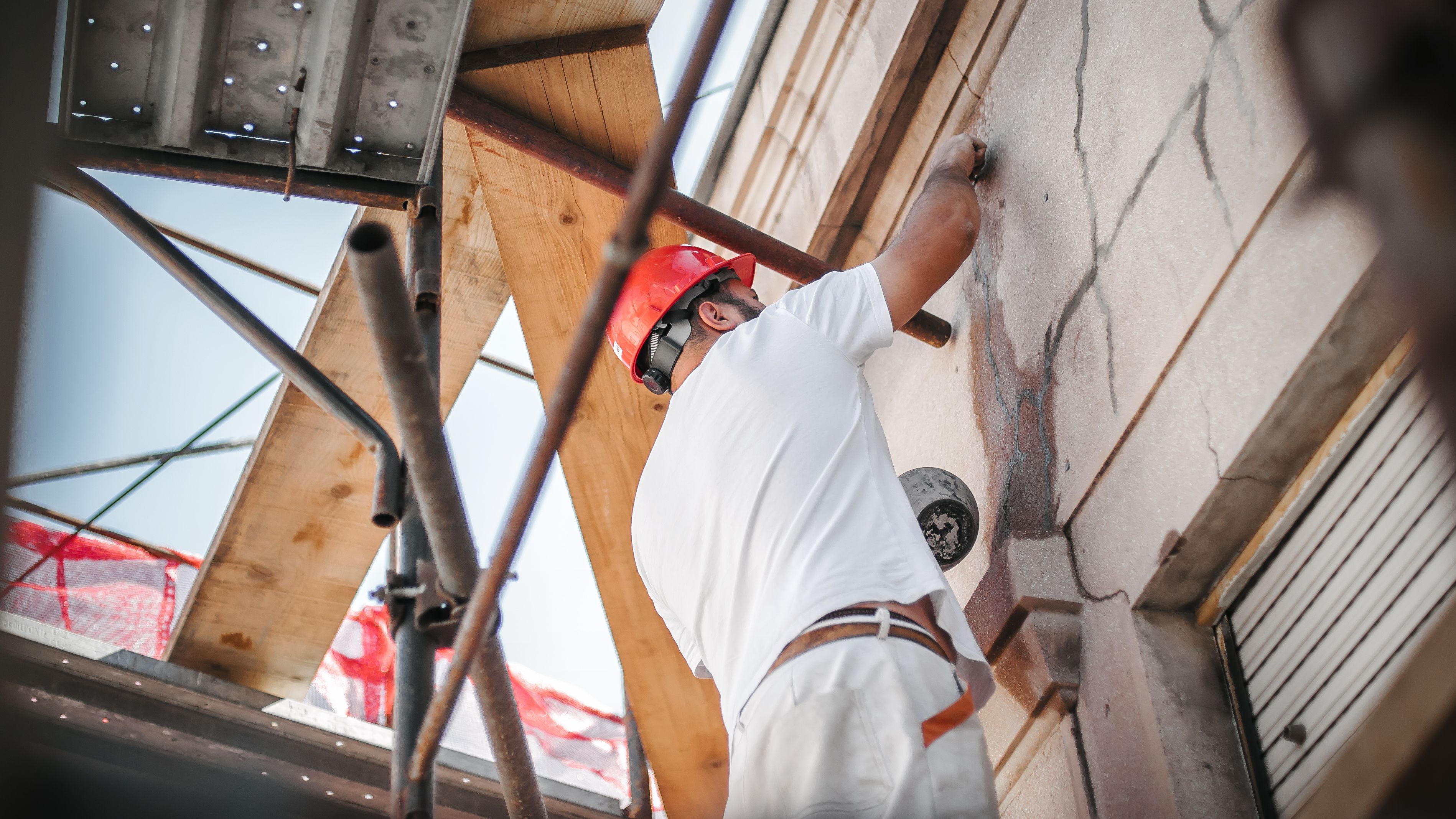
Implementing a maintenance schedule helps allocate resources efficiently, allowing for better financial planning. This proactive approach not only saves money in the long run but also extends the lifespan of the historic building.
Enhancing Community Value
Historic buildings contribute to the identity and charm of a community. By maintaining these structures, we preserve the cultural and historical fabric of our towns and cities. Well-preserved buildings attract tourists, promote local pride, and can even boost economic development.
Communities that invest in historic preservation often experience increased property values and revitalized neighborhoods. Regular maintenance is a vital part of this process, ensuring that these valuable assets continue to enrich their surroundings.
Conclusion
Regular maintenance is essential for the preservation of historic buildings. By preventing structural damage, preserving historical integrity, and being cost-effective, maintenance ensures that these cultural treasures continue to stand the test of time. Moreover, it enhances community value, making historic buildings a source of pride and inspiration for future generations. Embracing a proactive approach to maintenance is not just an option; it is a necessity for preserving our architectural heritage.