Understanding Trends in Commercial Building Preservation and Sustainability


Introduction to Commercial Building Preservation
In recent years, there has been a growing interest in preserving commercial buildings. This trend is driven by the desire to maintain architectural heritage and the need for sustainable development. Preserving these structures not only helps retain the historical essence of a city but also supports environmental goals.
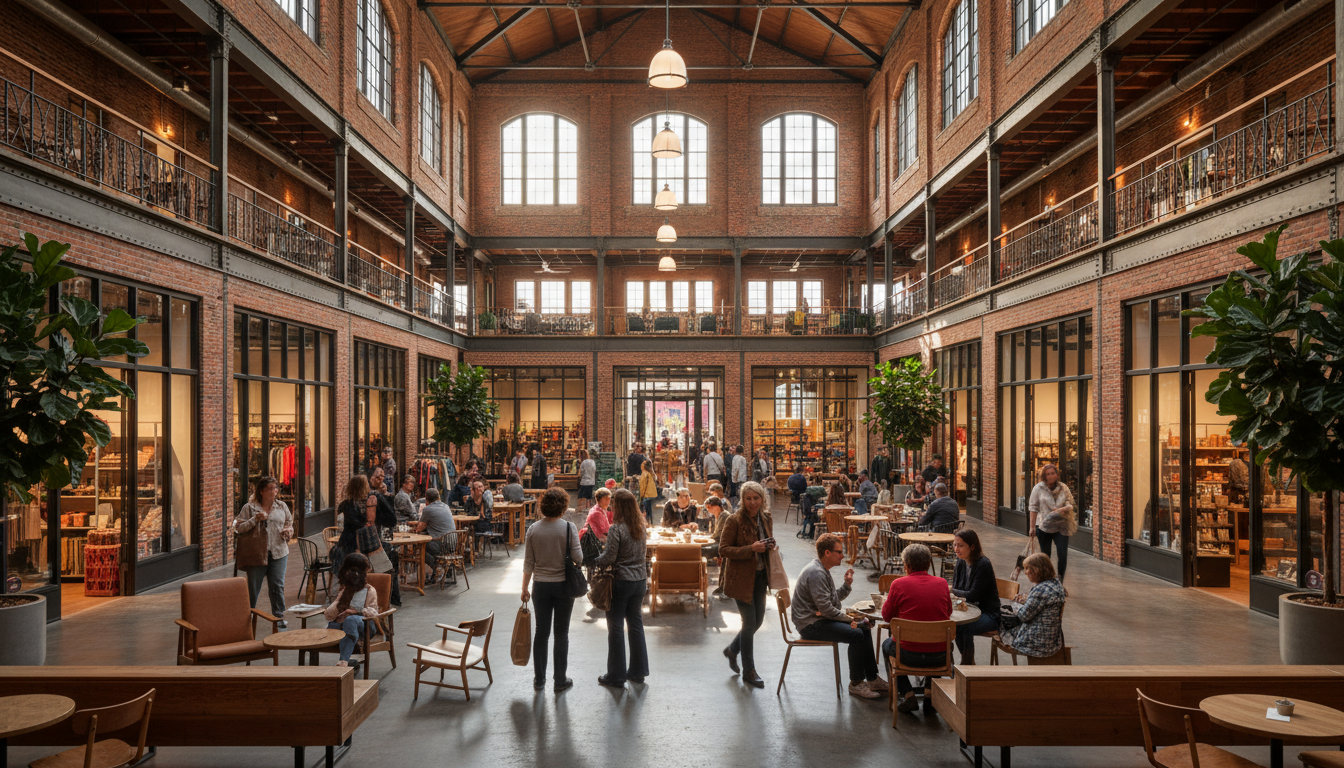
Commercial building preservation involves various strategies aimed at maintaining the structural integrity and cultural significance of older buildings. By integrating modern technologies and materials, these buildings can be given new life while reducing the environmental impact of new construction.
The Role of Sustainability in Preservation
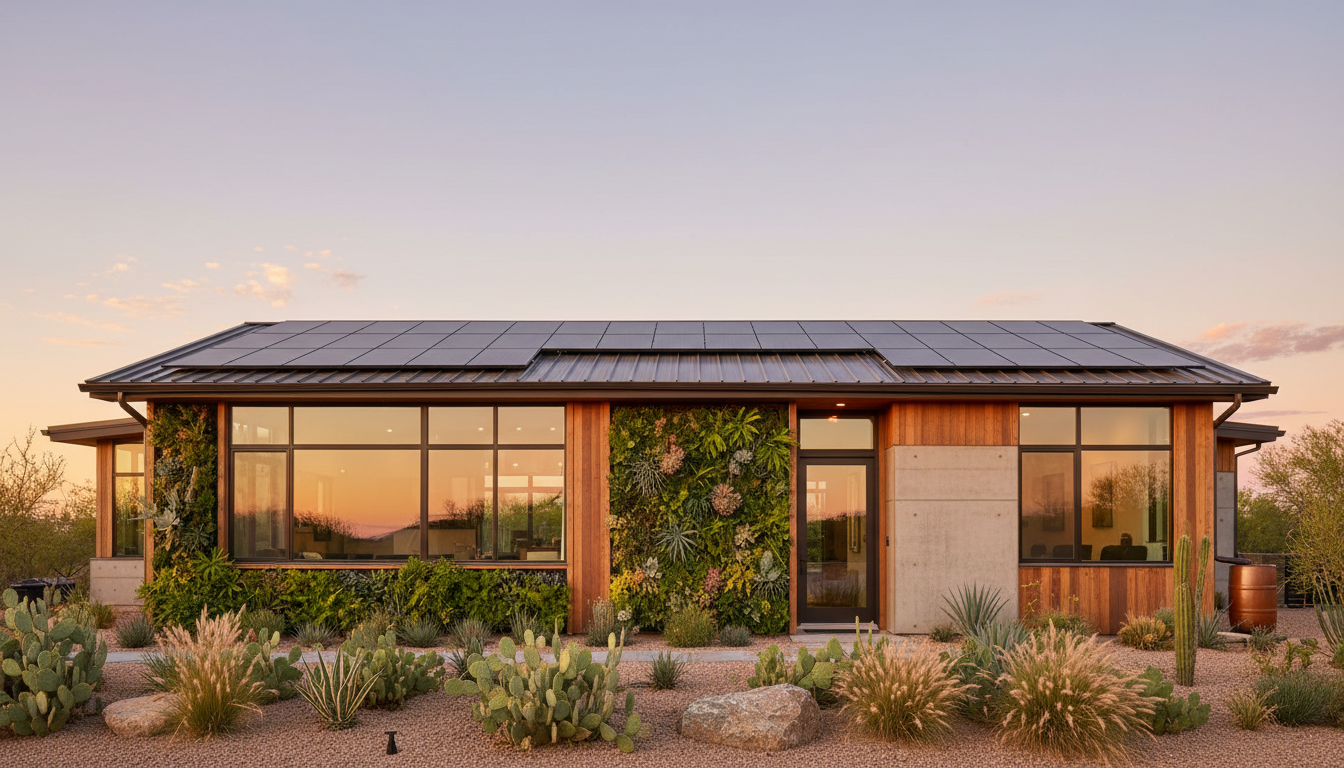
Sustainability plays a crucial role in commercial building preservation. As businesses and communities strive to reduce their carbon footprint, the focus has shifted to making existing buildings more energy-efficient. This involves upgrading insulation, installing energy-efficient windows, and utilizing renewable energy sources.
Moreover, sustainable preservation practices can significantly cut down on waste. By reusing materials and minimizing demolition, the construction industry can reduce its contribution to landfill waste. This approach not only conserves resources but also preserves the cultural and historical fabric of urban landscapes.
Innovative Technologies in Building Preservation
Technological advancements have greatly enhanced the ability to preserve commercial buildings effectively. One such innovation is the use of Building Information Modeling (BIM), which helps in planning and managing building projects with precision. BIM allows for a detailed analysis of a building's condition, facilitating informed decision-making during restoration.
Another technology is the use of smart materials that adapt to environmental changes, offering improved durability and efficiency. These materials can help maintain the structural integrity of older buildings while enhancing their aesthetic appeal.
Economic Benefits of Preservation
Preserving commercial buildings can also yield significant economic benefits. Renovating existing structures is often more cost-effective than new construction, particularly when considering the expense of demolition and waste disposal. Additionally, preserved buildings can attract tourism, boosting local economies.
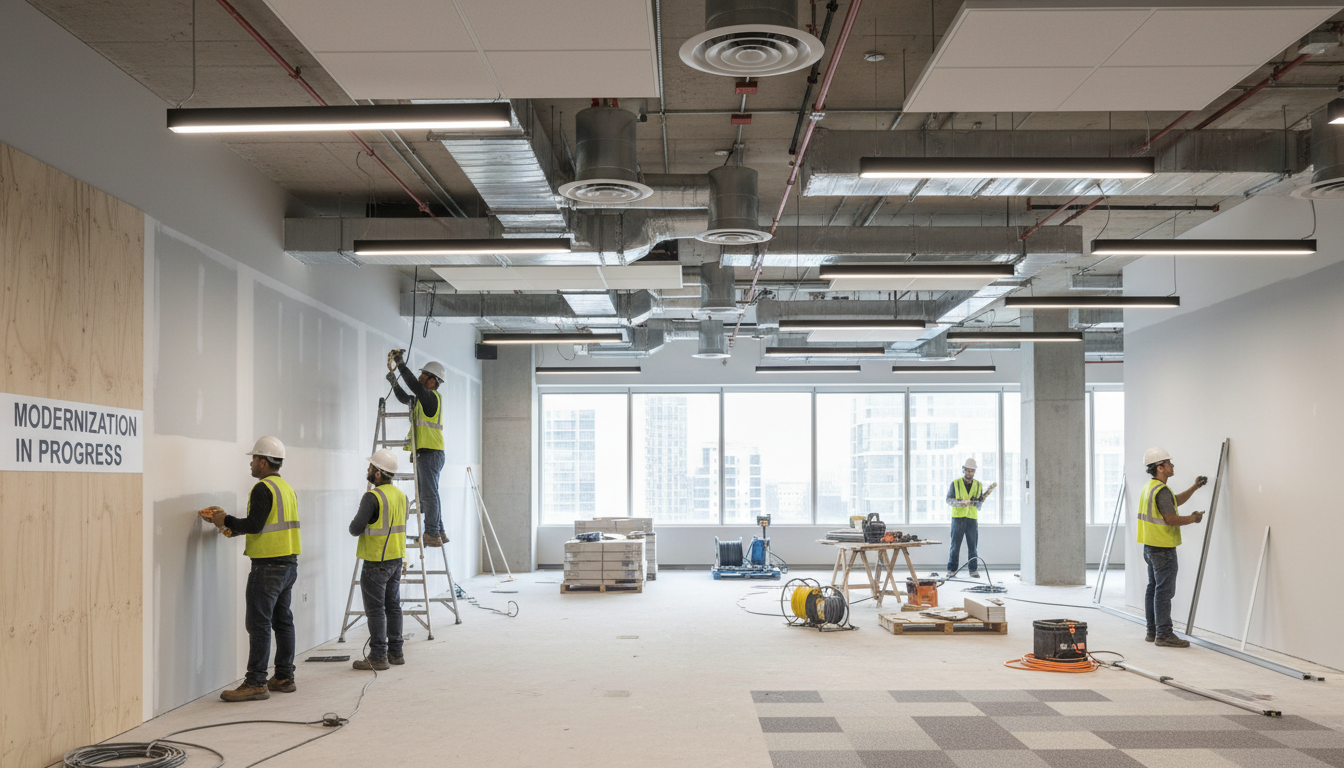
Moreover, these projects often create jobs in the construction and heritage conservation sectors. Skilled workers are required for tasks like masonry repair, window restoration, and energy system upgrades, providing employment opportunities within the community.
Challenges in Building Preservation
Despite the benefits, building preservation comes with its own set of challenges. One of the main obstacles is the cost of retrofitting buildings to meet modern energy standards. This can be a significant financial burden for property owners.
Additionally, navigating the regulatory landscape can be complex. Preservation projects often require compliance with stringent guidelines and standards, which can delay progress and increase costs.
Future Trends in Preservation and Sustainability
Looking forward, the integration of artificial intelligence and machine learning in building preservation is poised to revolutionize the field. These technologies can provide predictive analytics for maintenance needs, ensuring timely interventions and reducing long-term costs.
Furthermore, as awareness of climate change continues to grow, there is likely to be increased investment in sustainable preservation practices. Governments and organizations are expected to offer more incentives and support for projects that align with environmental goals.

In conclusion, the trends in commercial building preservation and sustainability are shaping the future of urban development. By combining heritage conservation with environmental responsibility, we can create vibrant, sustainable cities that honor the past while embracing modern innovations.