The Ultimate Guide to Preserving Commercial Buildings


Understanding the Importance of Preservation
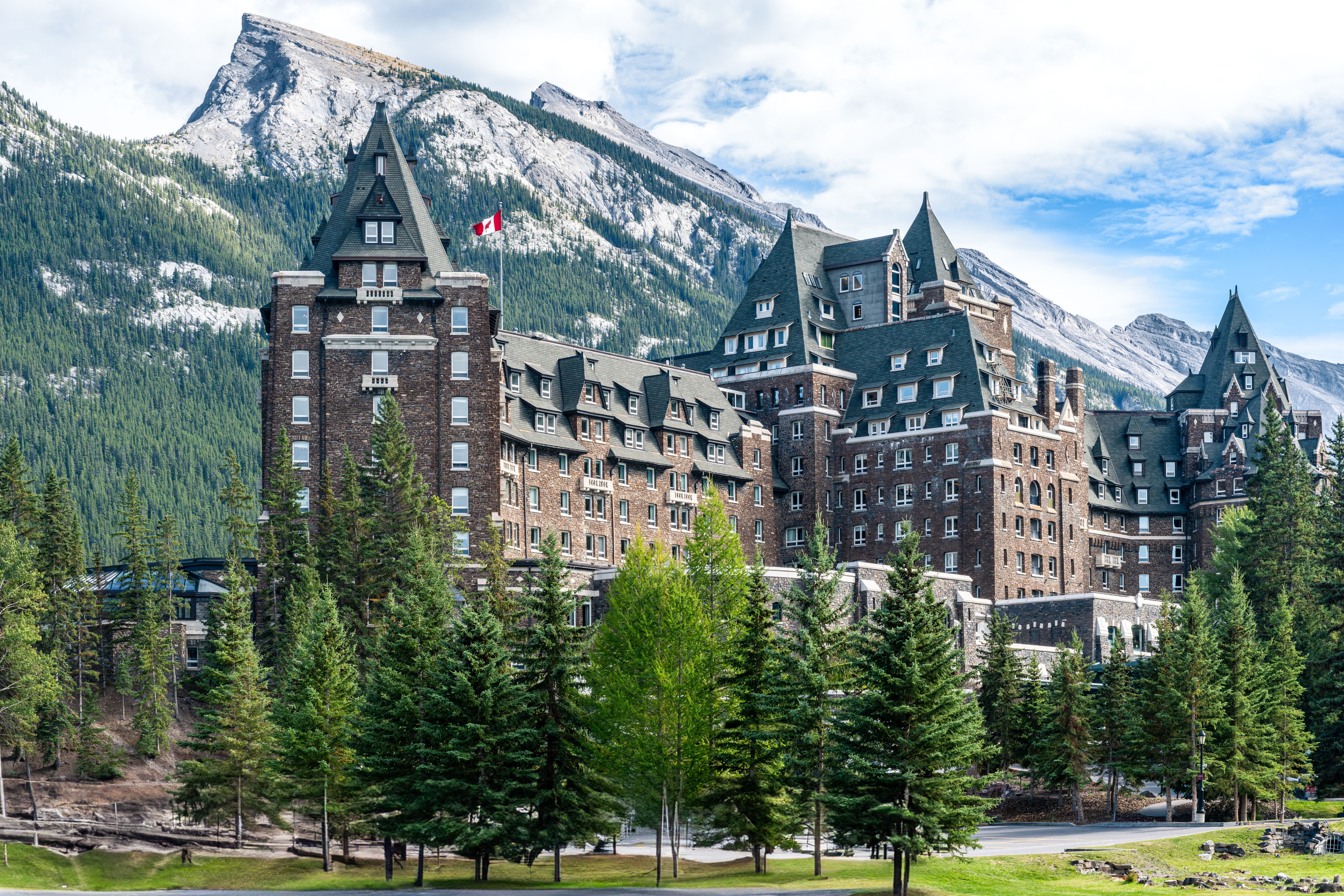
Preserving commercial buildings is not just about maintaining aesthetics; it’s about safeguarding history, culture, and economic value. These structures often hold significant architectural and historical importance, making their preservation a priority for communities. Ensuring their longevity requires a strategic approach and a commitment to maintaining their original charm.
Assessing the Building’s Condition
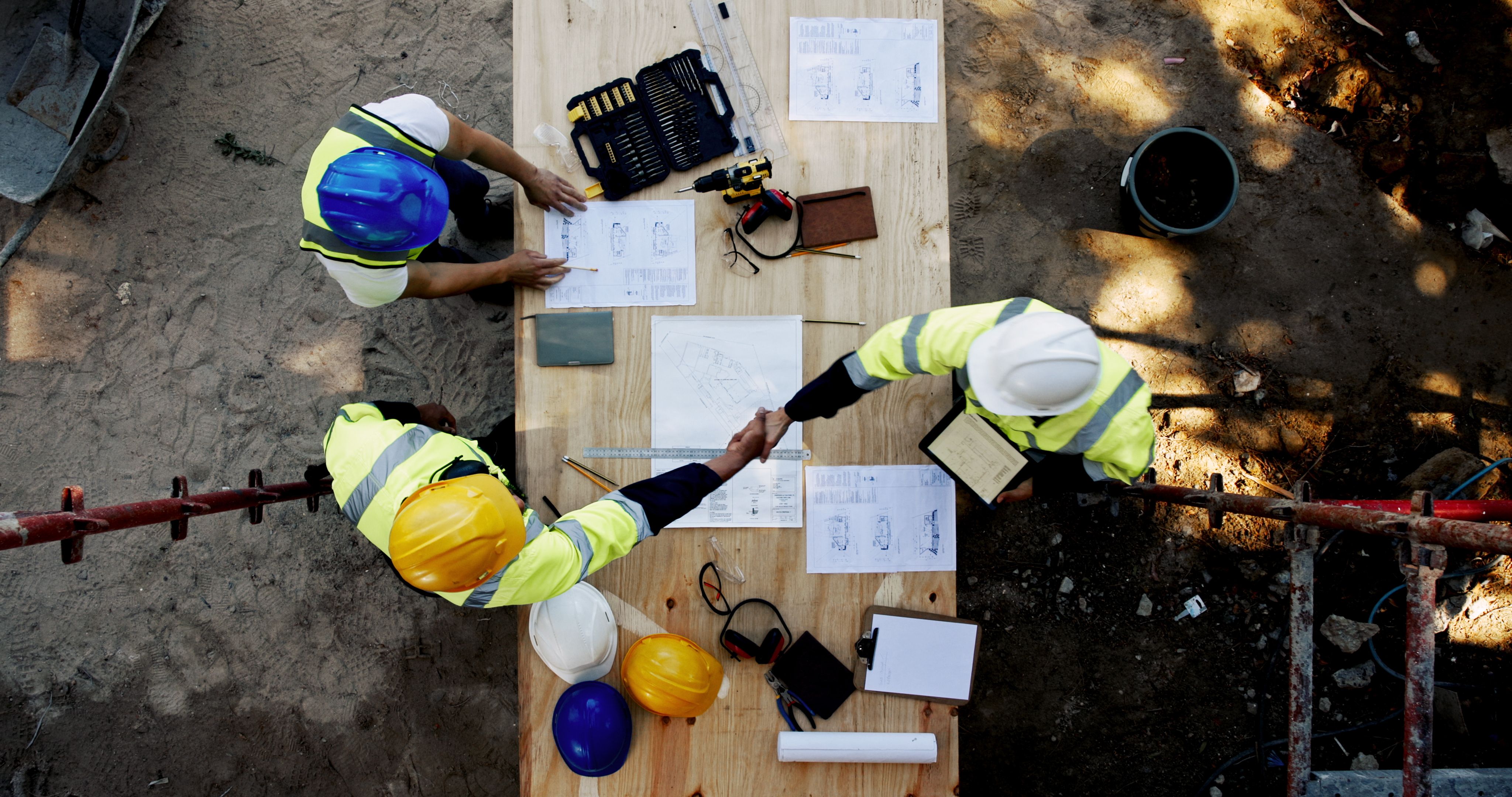
The first step in preserving a commercial building is a thorough assessment of its current condition. This involves examining structural integrity, identifying areas requiring immediate attention, and understanding the materials used in the original construction. Hiring a professional for this assessment is crucial, as they can provide insights into potential issues and recommend appropriate preservation techniques.
Developing a Preservation Plan
Once the assessment is complete, the next step is to develop a comprehensive preservation plan. This plan should outline the necessary repairs, restorations, and maintenance activities. It is essential to prioritize tasks based on urgency and budget, ensuring that critical issues are addressed promptly.
Key Preservation Techniques
Preserving commercial buildings involves various techniques, each suited to different types of structures and materials. Some key techniques include:
- Restoration: Returning the building to its original state by repairing or replacing elements.
- Rehabilitation: Updating the building to meet current standards while retaining its historical features.
- Adaptive Reuse: Repurposing the building for a new function, ensuring its continued use and preservation.
Utilizing Modern Technology
Modern technology plays a crucial role in building preservation. Techniques such as 3D scanning and modeling help in accurately documenting and planning restoration projects. These technologies allow for precise measurements and simulations, facilitating better decision-making and efficient execution of preservation tasks.

Environmental Considerations
Preserving commercial buildings also involves considering environmental factors. Implementing energy-efficient systems and sustainable materials can enhance the building’s functionality while reducing its carbon footprint. This approach not only benefits the environment but also attracts businesses and tenants interested in sustainability.
Engaging the Community
Community involvement is a critical aspect of successful preservation projects. Engaging local stakeholders, historical societies, and residents can provide valuable support and resources. Public awareness campaigns and educational programs can foster appreciation and encourage community participation in preservation efforts.

Financial Aspects of Preservation
Understanding the financial implications is essential for any preservation project. While the costs can be significant, there are various funding options available, including government grants, tax incentives, and private investments. Conducting a cost-benefit analysis can help in making informed financial decisions and ensuring the project’s viability.
In conclusion, preserving commercial buildings is a multifaceted endeavor that requires careful planning, skilled execution, and community collaboration. By following these guidelines, businesses and communities can ensure that these architectural treasures continue to enrich our urban landscapes for generations to come.