The Ultimate Guide to Historic Building Maintenance


Understanding the Importance of Historic Building Maintenance
Preserving historic buildings is not just about maintaining their structural integrity; it's about safeguarding cultural heritage and ensuring that future generations can appreciate the architectural marvels of the past. Historic building maintenance requires a delicate balance between preservation and functionality, making it crucial to approach it with care and expertise.
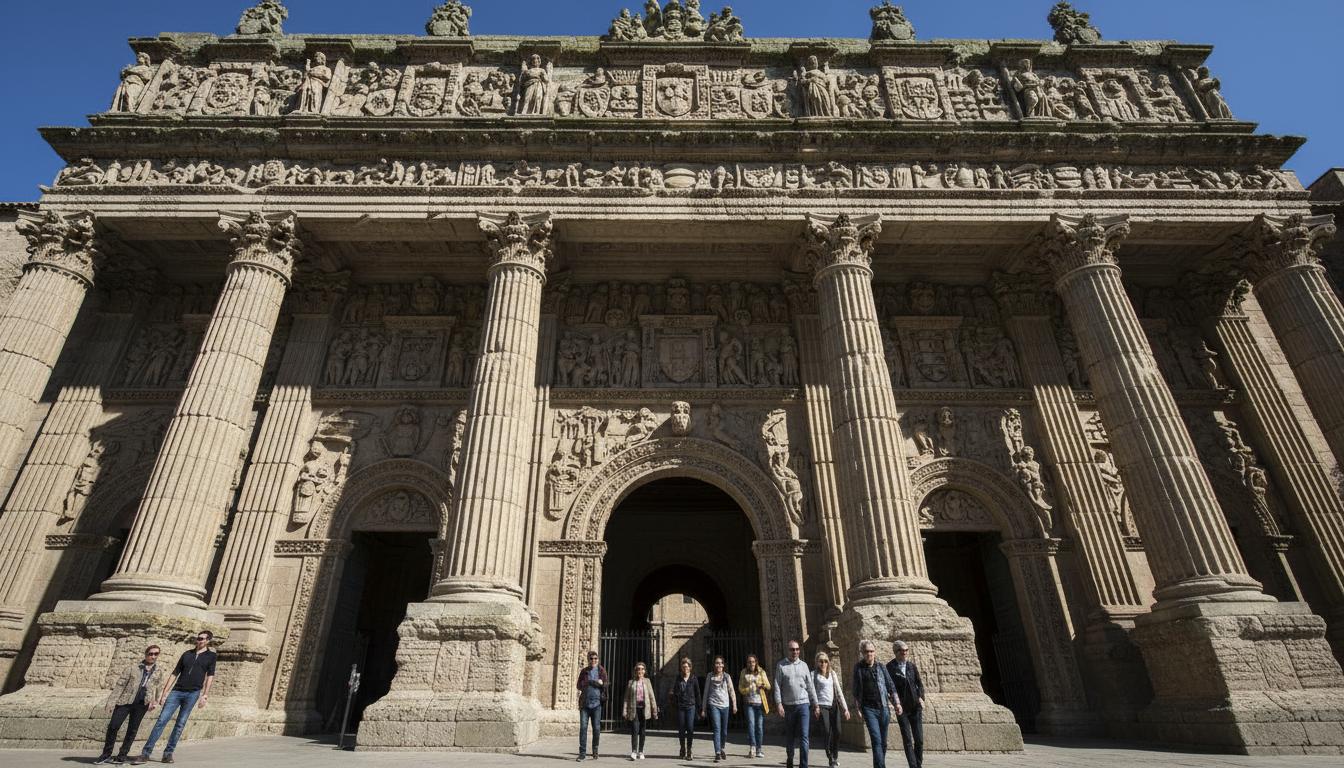
Assessing the Condition of Historic Buildings
Before diving into maintenance, a thorough assessment of the building's current condition is essential. This involves examining structural elements, materials, and any existing damage. Engaging with specialists such as architects and conservationists can provide valuable insights into the building’s needs.
Structural Analysis
A professional structural analysis will identify areas that need immediate attention. This includes checking for cracks, foundation issues, and any signs of deterioration. Regular inspections help in early detection of potential problems, preventing costly repairs in the future.
Choosing the Right Materials
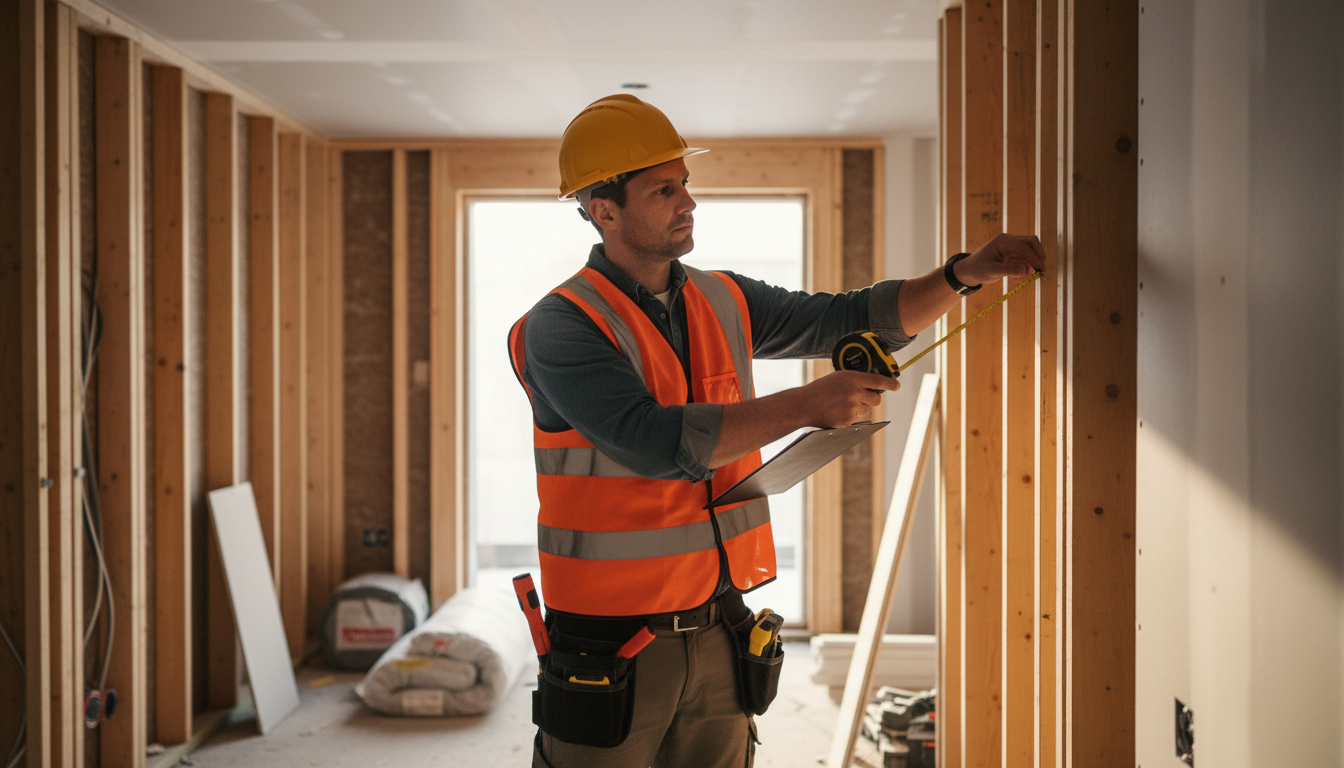
When maintaining historic buildings, using materials that match the original ones is vital. This not only preserves the building's aesthetic but also ensures compatibility with existing structures. Modern materials might offer improved durability, but they can sometimes clash with the historic fabric.
Sources for Authentic Materials
Finding authentic materials can be challenging. Partnering with specialized suppliers and craftsmen who understand the nuances of historic materials can make a significant difference. They can help source everything from period-specific bricks to traditional lime mortar.

Implementing Regular Maintenance Plans
Regular maintenance is key to prolonging the life of historic buildings. Establishing a routine schedule for inspections, cleaning, and minor repairs can prevent major issues from developing. A well-documented maintenance plan keeps all stakeholders informed and ensures continuity.
Key Elements of a Maintenance Plan
- Scheduled inspections for structural integrity
- Regular cleaning of facades and interiors
- Timely repairs of minor damages
- Documentation of all maintenance activities
Ensuring Compliance with Preservation Standards
Historic buildings often come with specific legal and preservation requirements. Ensuring compliance with these standards is crucial. This includes obtaining necessary permits and adhering to guidelines set by local heritage organizations.
Engaging with local authorities and preservation societies can facilitate smoother processes and provide additional resources for maintaining the building in line with the established norms.

Conclusion: Balancing Preservation with Modern Needs
Ultimately, the goal of maintaining historic buildings is to balance preservation with modern functionality. While it's important to retain the historic charm and value, integrating modern amenities can enhance usability and safety. Thoughtful planning and execution in maintenance can achieve this delicate balance, ensuring that these architectural gems continue to stand the test of time.