The Ultimate Guide to Building Facade Restoration


Understanding Facade Restoration
Facade restoration is a crucial process for maintaining the aesthetic and structural integrity of a building. Over time, environmental factors like weather, pollution, and natural wear can degrade a building's exterior, leading to potential safety hazards and a diminished appearance. This guide will walk you through the essential steps and considerations involved in facade restoration.
Assessing the Damage
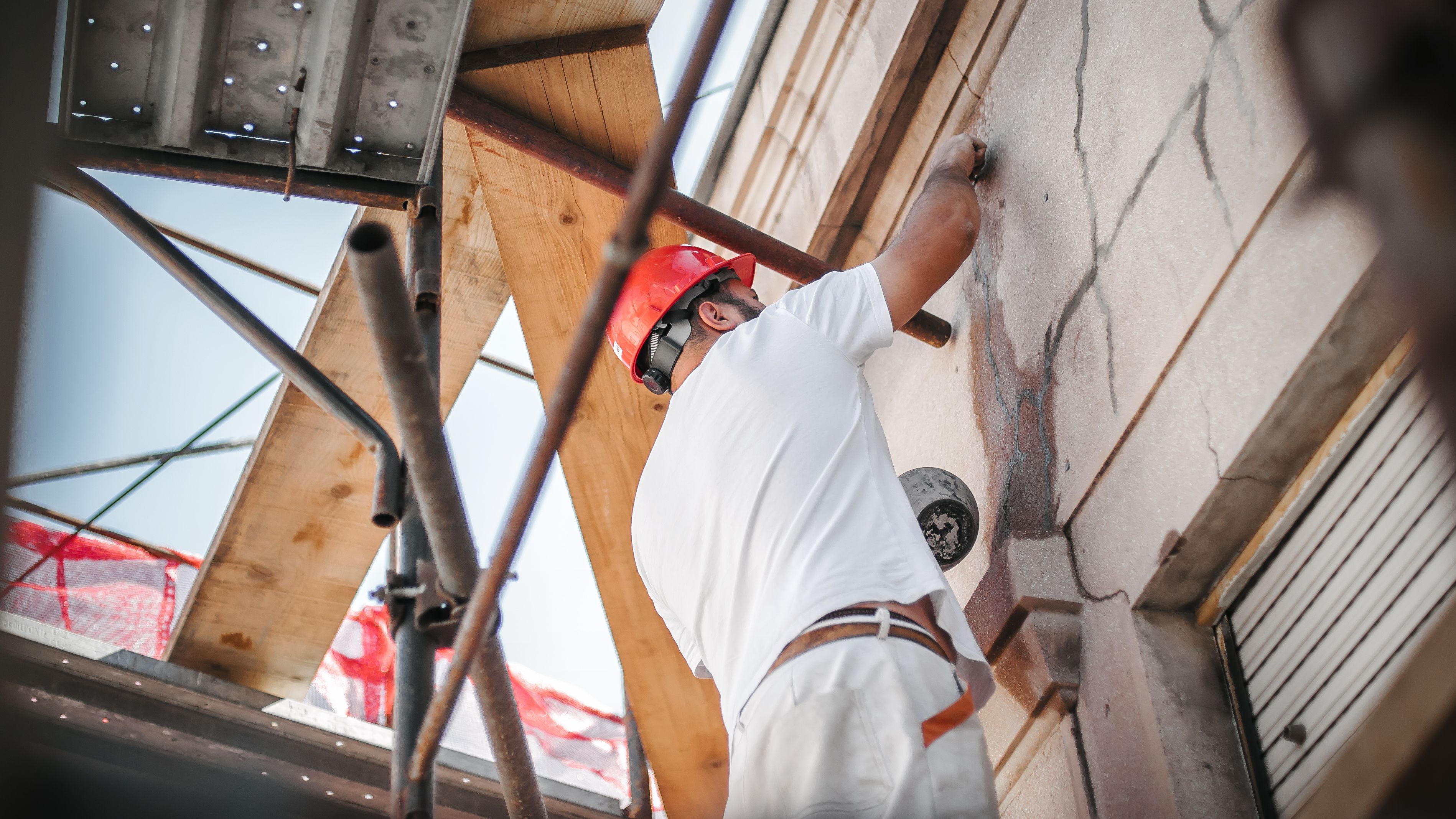
The first step in any facade restoration project is a thorough assessment of the building's current condition. This involves inspecting the surface for visible damage such as cracks, discoloration, or structural weaknesses. It’s crucial to identify the root causes of these issues, as they can affect the choice of restoration methods.
Professionals often use advanced tools and techniques, such as drones and thermal imaging, to gain a comprehensive view of the damage. An accurate assessment helps in planning a targeted restoration strategy that addresses both cosmetic and structural concerns.
Choosing the Right Materials
Once the assessment is complete, selecting the appropriate materials for restoration is key. The choice of materials can significantly impact the durability and appearance of the facade. Common materials used in restoration include brick, stone, glass, and metal, each offering unique benefits and challenges.
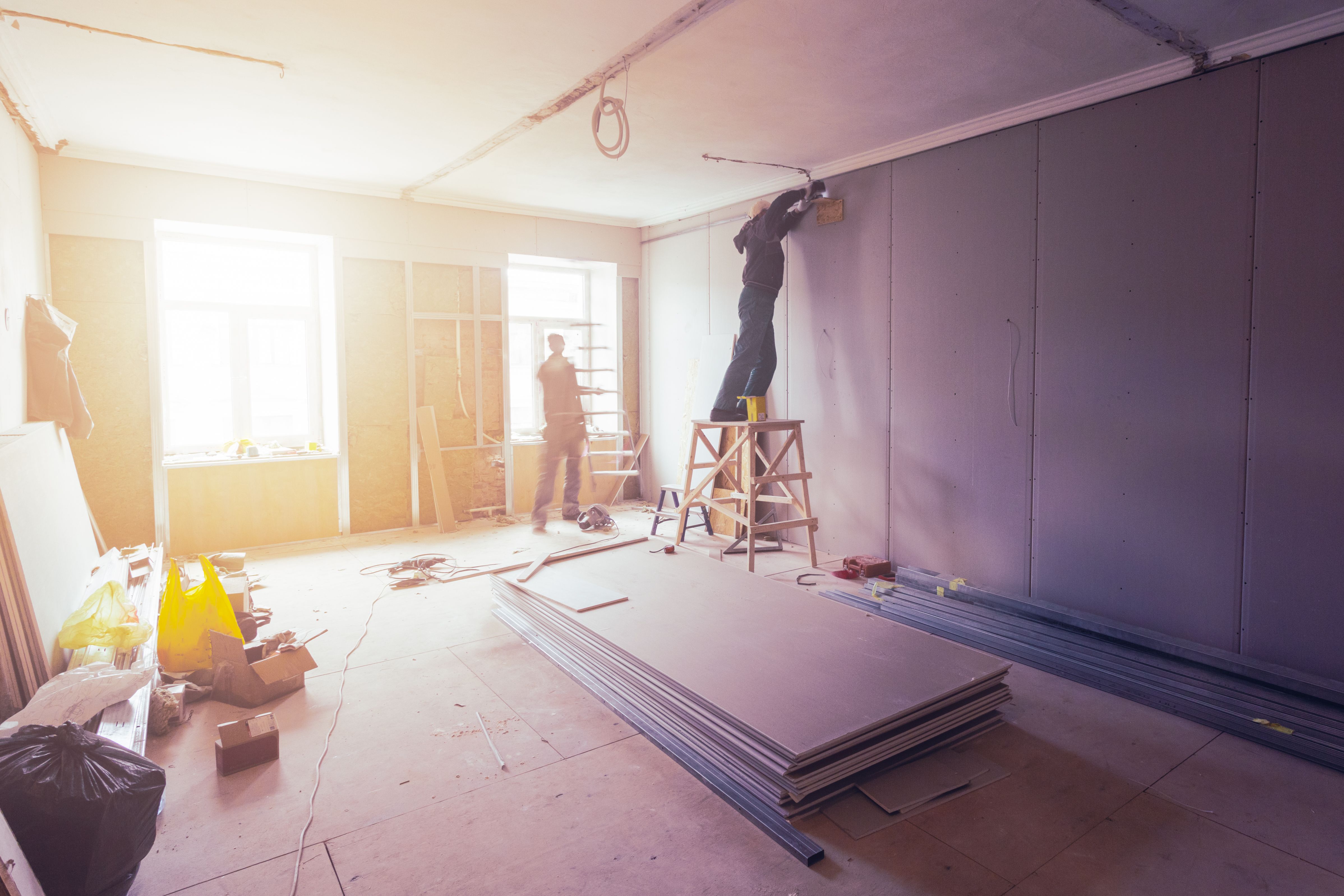
It’s important to choose materials that match the original facade to maintain the building’s historical and architectural integrity. Consulting with experts in historic preservation can provide valuable insights into suitable materials and techniques.
Implementing the Restoration Process
The restoration process typically involves cleaning, repairing, and protecting the facade. Cleaning methods may include pressure washing, chemical treatments, or abrasive techniques, depending on the material and extent of damage. Repairing cracks and replacing damaged sections are crucial to ensure structural stability.
- Cleaning: Removes dirt, grime, and pollutants.
- Repairing: Fixes cracks and replaces damaged materials.
- Protecting: Applies sealants or coatings to prevent future damage.

Maintaining the Restored Facade
After restoration, regular maintenance is essential to preserve the facade's condition. Scheduled inspections and cleanings can prevent minor issues from escalating into major problems. Implementing a maintenance plan ensures the longevity of the restoration efforts.
Engaging with a professional maintenance service can provide peace of mind, as they have the expertise to address any emerging issues promptly and efficiently.
Environmental and Regulatory Considerations
Facade restoration must comply with local building codes and regulations. Additionally, environmental considerations, such as the use of sustainable materials and eco-friendly practices, are increasingly important. It's essential to work with contractors who are knowledgeable about these requirements.
By adhering to regulations and focusing on sustainability, you not only ensure compliance but also contribute positively to the environment and community.
Conclusion
Facade restoration is a complex but rewarding process that enhances the beauty and safety of a building. By carefully assessing damage, selecting the right materials, and implementing a thorough restoration plan, you can breathe new life into any structure. Regular maintenance and a focus on sustainability further ensure that your efforts will endure for years to come.