The Ultimate Guide to Building Conservation: Protecting Your Investment


Building conservation is a crucial aspect of maintaining and enhancing the value of any property. Whether you own a historic building or a modern structure, protecting your investment involves a combination of strategic planning, regular maintenance, and informed decision-making.

Understanding Building Conservation
Building conservation refers to the processes and measures taken to preserve and protect structures from decay, damage, and deterioration. This is especially important for historic buildings, where maintaining the original character and architecture is a priority. However, even modern buildings require proactive measures to ensure longevity and safety.
The Importance of Regular Maintenance
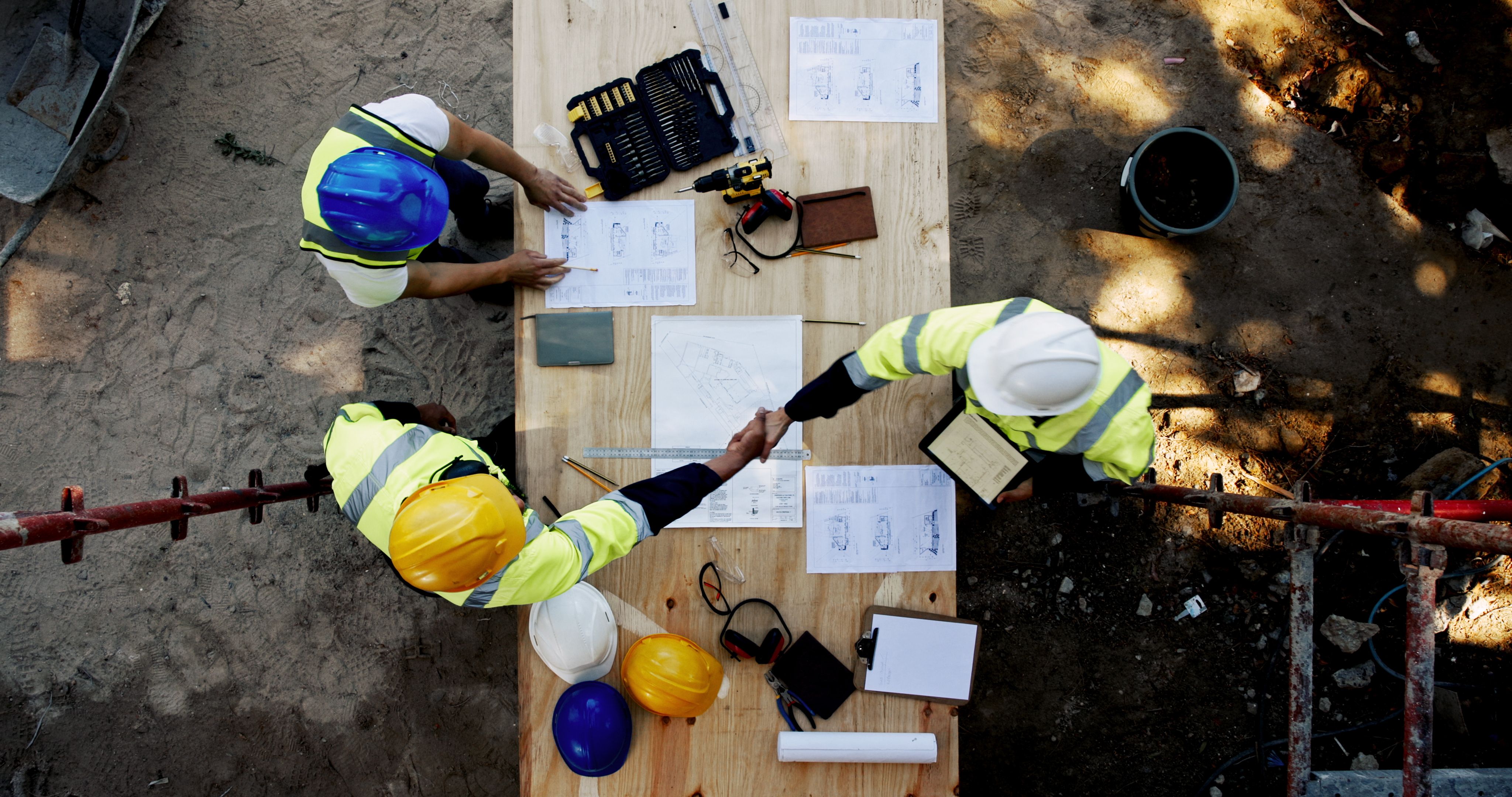
Regular maintenance is the backbone of building conservation. By keeping up with routine checks and repairs, you can prevent minor issues from escalating into major problems. Common maintenance tasks include:
- Inspecting roofs for leaks and damage
- Checking plumbing systems for leaks and corrosion
- Ensuring electrical systems are up to code
- Examining the foundation for cracks or settling
Preserving Historical Features
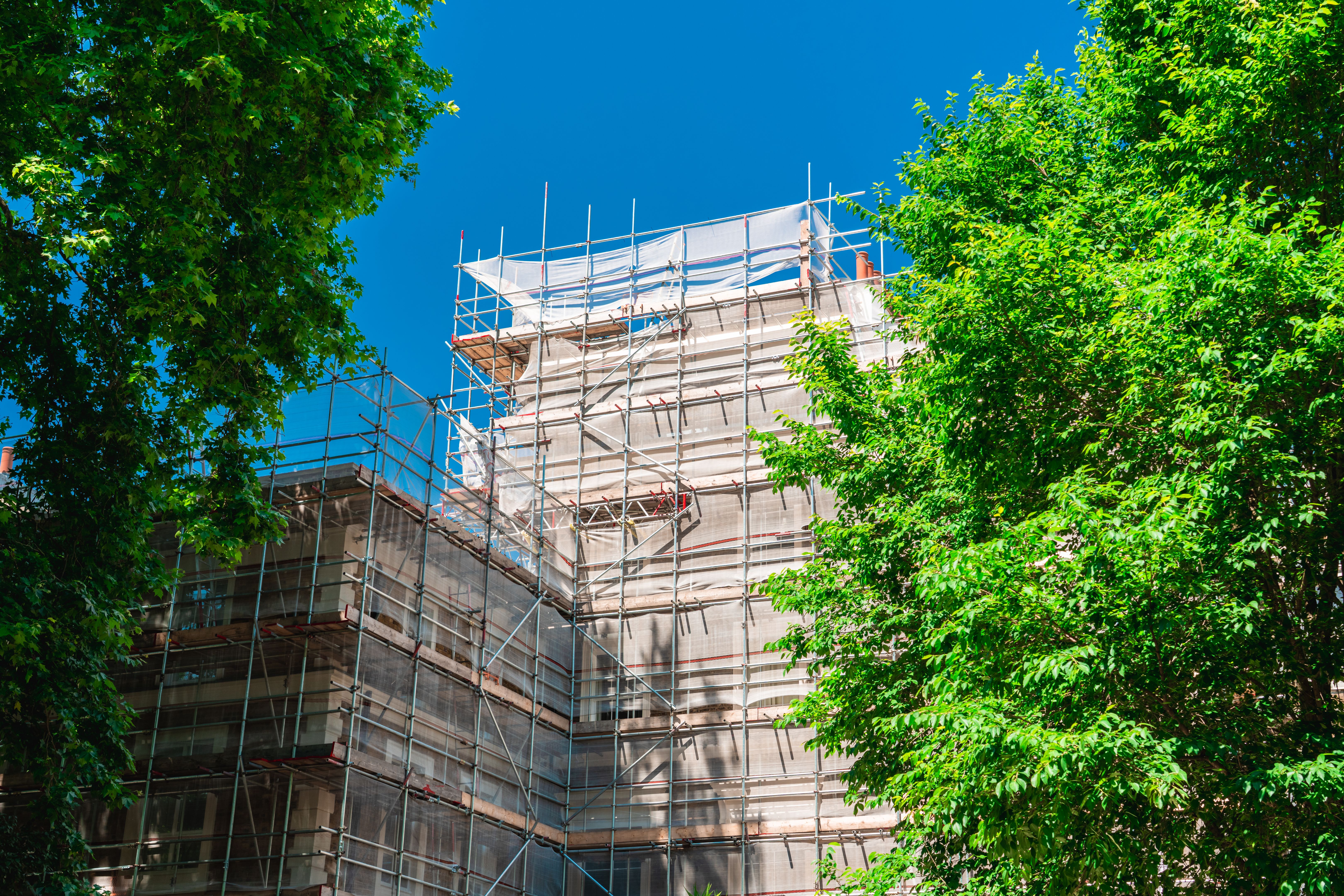
For historic buildings, preserving original features is essential. This involves using materials and techniques that match the original construction as closely as possible. It's important to work with conservation specialists who understand the intricacies of historical architecture and can provide the appropriate guidance and solutions.
Modern Techniques in Building Conservation
Advancements in technology have introduced new methods for building conservation. These include the use of high-quality, durable materials that mimic historical ones, as well as advanced methods for assessing and repairing structural integrity. Utilizing these modern techniques can provide both aesthetic and functional benefits.
Legal and Financial Considerations
Building conservation often involves navigating legal requirements and financial considerations. For historic properties, there may be specific regulations regarding what changes can be made. Additionally, there are often grants and incentives available to support conservation efforts. Understanding these aspects can help you manage costs effectively while ensuring compliance.
Hiring the Right Professionals
Collaborating with experienced professionals is key to successful building conservation. Architects, engineers, and conservation specialists bring valuable expertise to the table. When selecting professionals, look for those with a proven track record in conservation projects similar to yours.
In summary, building conservation is a multifaceted process that requires careful planning, regular maintenance, and expert guidance. By investing in the protection and preservation of your property, you not only safeguard its value but also contribute to the cultural and historical fabric of the community.