Preparing Commercial Buildings for Extreme Weather: A Preservation Guide


Understanding the Risks of Extreme Weather
Extreme weather events, such as hurricanes, tornadoes, and heavy snowstorms, can pose significant threats to commercial buildings. Understanding these risks is the first step in preparing your property. Assess the local climate and identify potential threats specific to your area to develop a comprehensive preservation plan.
Consider past occurrences and research future climate projections to better prepare for possible scenarios. This knowledge will guide the strategies you implement to safeguard your building.
Conducting a Building Assessment
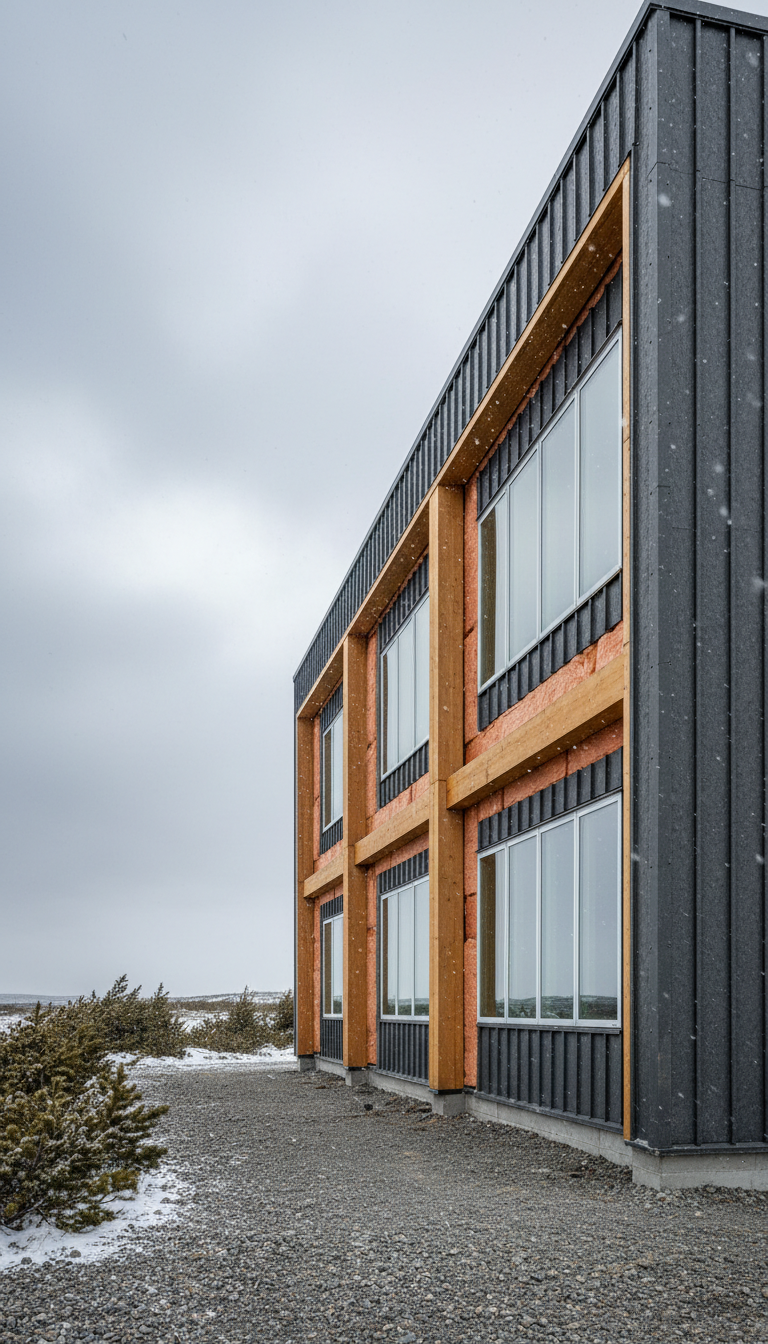
Before extreme weather strikes, conduct a thorough assessment of your building's current condition. Focus on critical areas like the roof, windows, doors, and foundation. Check for existing damage, such as cracks or leaks, that may be exacerbated during severe weather conditions.
Hiring a professional inspector can provide insights into structural vulnerabilities that might not be immediately obvious. This proactive approach can prevent minor issues from developing into major problems during extreme weather events.
Addressing Structural Weaknesses
Once you've identified vulnerabilities, take action to reinforce and repair them. Consider the following steps:
- Roof Reinforcement: Install stronger materials or add a protective membrane.
- Window Protection: Use storm shutters or impact-resistant glass.
- Foundation Strengthening: Seal cracks and improve drainage systems.
Implementing Preventative Measures
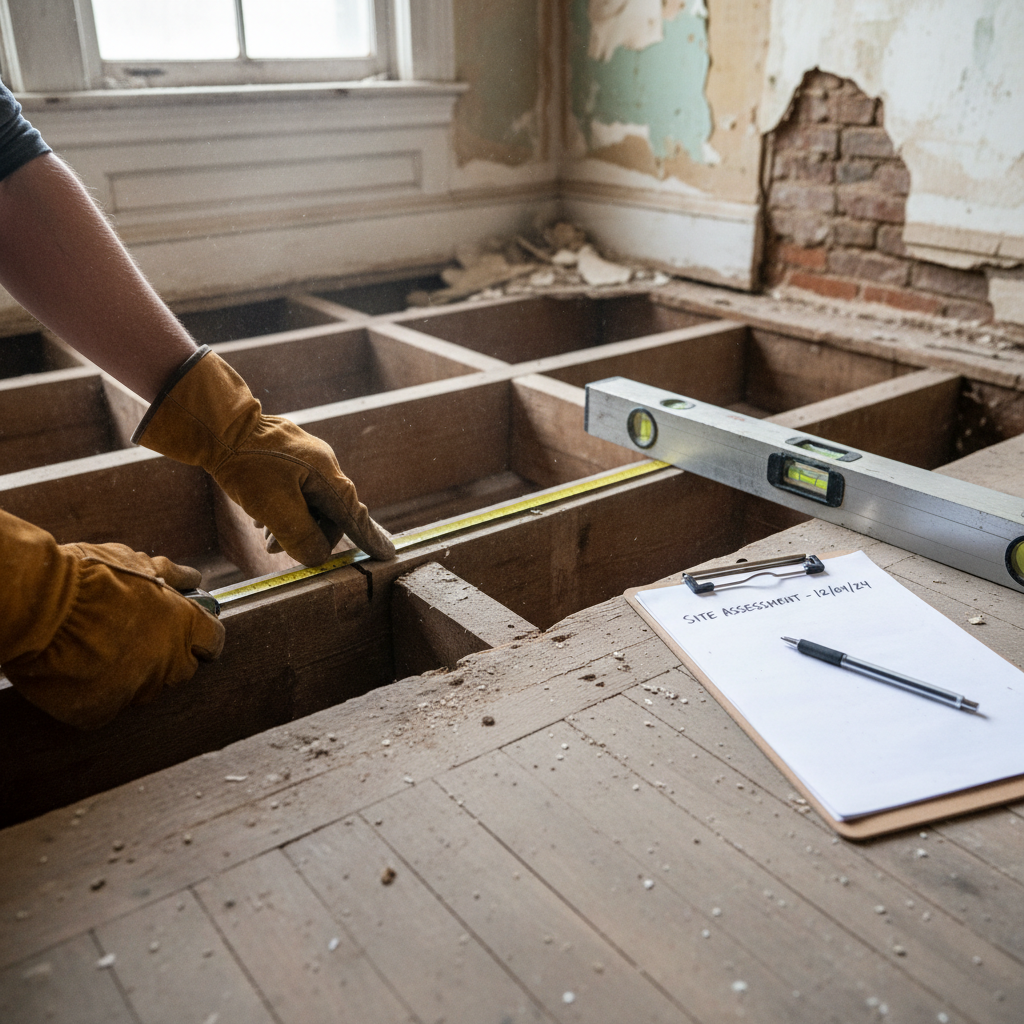
Preventative measures can significantly reduce the risk of damage. Regular maintenance, such as clearing gutters and trimming nearby trees, helps mitigate potential hazards. Additionally, ensure your building's drainage systems are functioning optimally to prevent water accumulation.
Investing in backup power systems, such as generators, can minimize disruptions to business operations during power outages caused by extreme weather.
Emergency Preparedness Planning
Developing a robust emergency preparedness plan is essential. Ensure that evacuation routes are clearly marked and easily accessible. Train employees on emergency procedures and conduct regular drills to ensure readiness.

Insurance and Financial Preparedness
Insurance plays a crucial role in safeguarding commercial properties against extreme weather events. Review your current policies to ensure they offer adequate coverage for the specific risks identified. Consider additional coverage options if necessary.
Establishing a financial reserve can also help cover unexpected expenses related to weather-related damages. Being financially prepared allows for prompt repairs and reduces downtime for your business.
Leveraging Technology for Monitoring
Advanced technology can enhance your building's resilience. Implement weather monitoring systems and smart building technologies to receive real-time alerts and data-driven insights. These tools can help you make informed decisions and respond swiftly to impending threats.
By taking these steps, you can better prepare your commercial building for extreme weather, ensuring the safety of occupants and the longevity of your property.