Myth-Busting: Common Misconceptions About Historic Building Maintenance


Understanding Historic Building Maintenance
Historic buildings encapsulate the essence of the past, offering a glimpse into the architectural and cultural heritage of bygone eras. However, maintaining these structures is often shrouded in misunderstandings. In this post, we aim to debunk some common myths about historic building maintenance, ensuring that these treasures are preserved for future generations.
Myth 1: Historic Buildings Are Too Fragile to Maintain
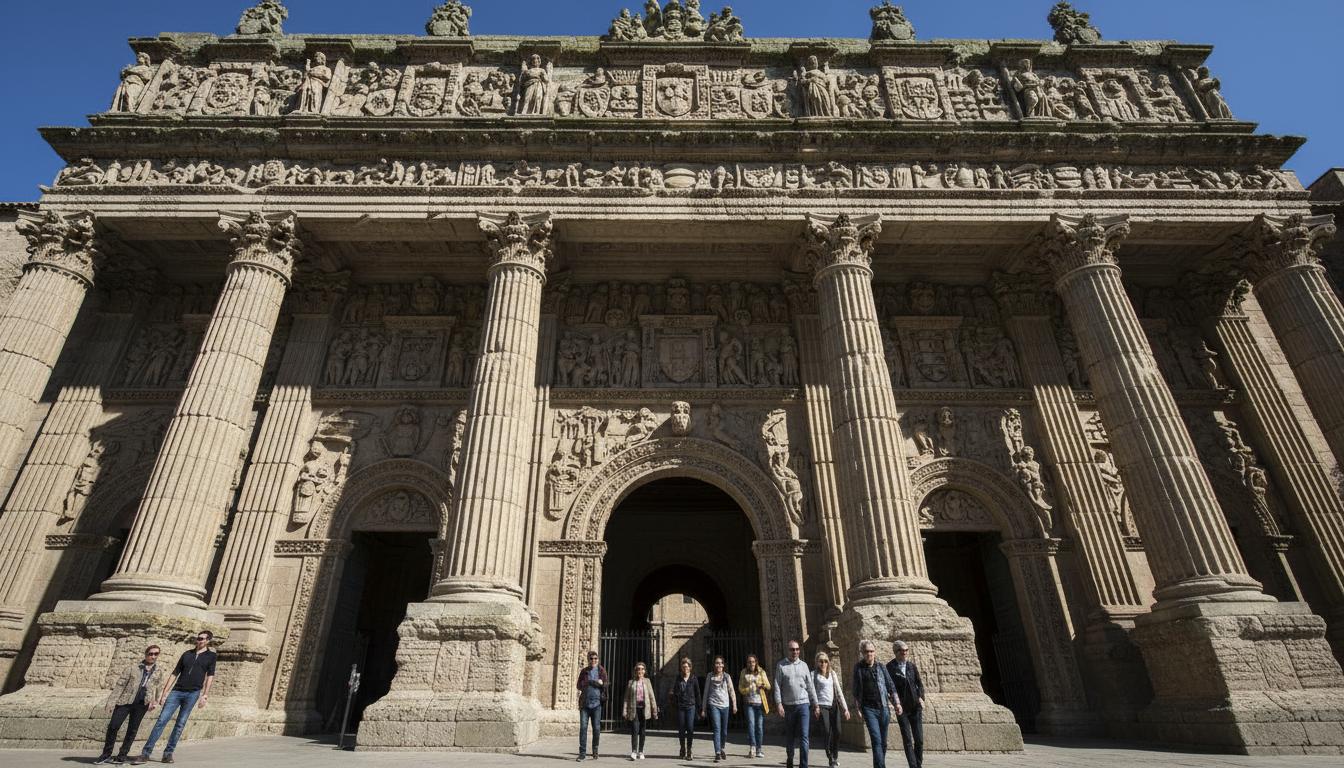
One prevalent misconception is that historic buildings are too delicate to withstand modern maintenance practices. In reality, these structures have stood the test of time due to their robust construction methods and materials. While they require specialized care, they are far from being too fragile. Modern techniques and materials can be adapted to maintain the integrity of these buildings without compromising their historical value.
Myth 2: Maintenance Costs Are Prohibitively Expensive
Another myth is that maintaining historic buildings is prohibitively expensive. While it’s true that initial restoration costs can be high, regular and preventive maintenance can significantly reduce long-term expenses. By addressing minor issues early on, property owners can avoid costly repairs in the future. Additionally, many governments and organizations offer grants and incentives to support the preservation of historic properties.
Myth 3: Modern Materials Can't Be Used
There's a belief that only traditional materials should be used in maintaining historic buildings. While it's essential to preserve the original aesthetic, using modern materials can often provide better protection and longevity. For instance, modern sealants and insulation can be used discreetly to enhance energy efficiency while respecting the building's historical character.
Myth 4: Historic Building Maintenance Is Only for Professionals
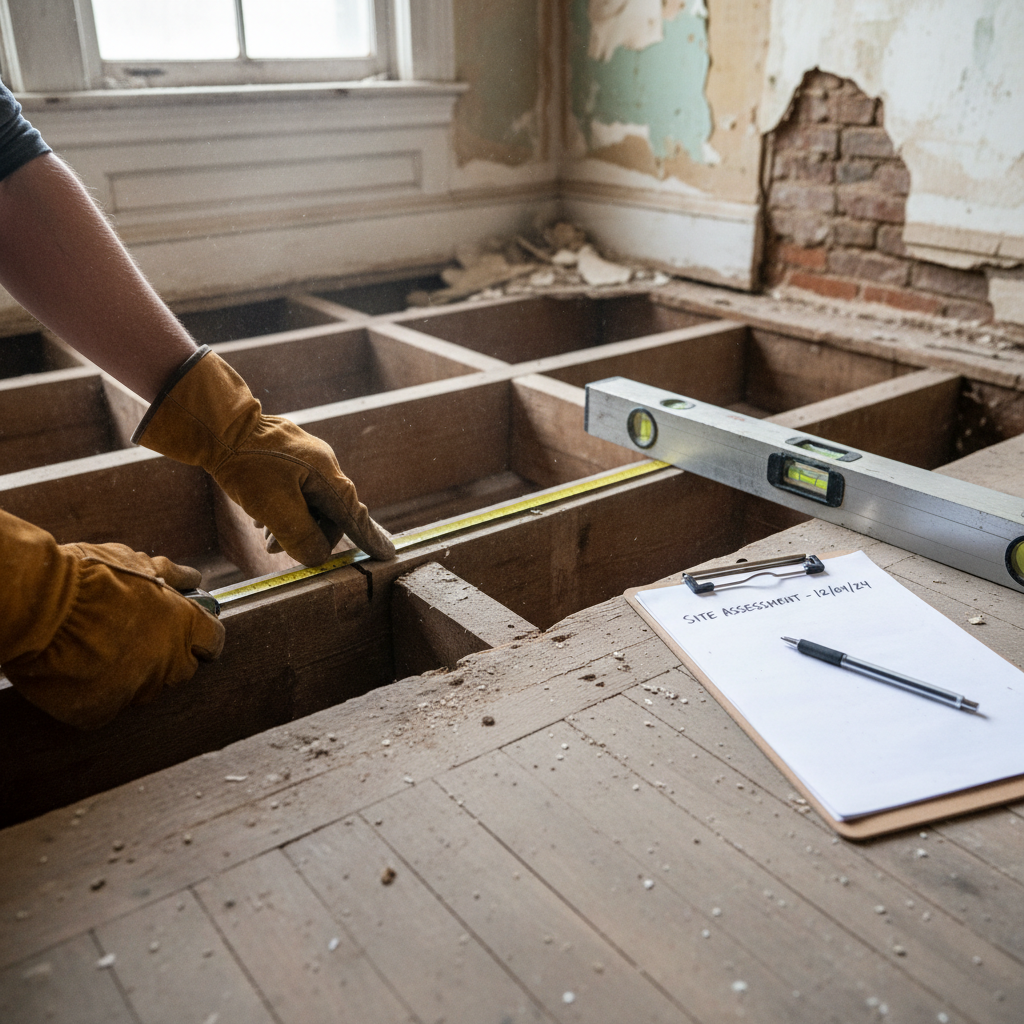
It's often assumed that only professionals can maintain historic buildings. While expert guidance is crucial for significant restoration projects, basic maintenance can be performed by informed property owners or caretakers. Simple actions like regular cleaning, monitoring for leaks, and pest control can go a long way in preserving a building's condition.
Myth 5: Historic Buildings Can't Be Made Energy Efficient
Many believe that historic buildings cannot be energy efficient. However, there are numerous ways to enhance energy efficiency without altering the building's historic appearance. Options like installing energy-efficient lighting, adding storm windows, and improving insulation can reduce energy consumption significantly.

Conclusion: Embracing the Past, Building for the Future
Debunking these myths is crucial for the continued preservation of our architectural heritage. By understanding and addressing these misconceptions, we can better protect historic buildings, ensuring they remain vibrant parts of our communities. Embracing both traditional and modern maintenance practices allows us to honor the past while building a sustainable future.