How to Prepare Your Commercial Property for Seasonal Changes


Understanding Seasonal Challenges
As a commercial property owner, it’s crucial to adapt your maintenance strategies to the changing seasons. Each season brings its own set of challenges, from harsh winter weather to the heat of summer. Preparing your property in advance can prevent costly repairs and ensure a comfortable environment for tenants and visitors.

Inspect and Repair the Roof
Your roof is the first line of defense against the elements. Before the onset of any season, conduct a thorough inspection to identify any signs of wear and tear. Look for missing shingles, leaks, or debris accumulation. It's wise to hire a professional to handle any repairs, ensuring that your roof remains intact and leak-free.
Additionally, ensure that gutters and downspouts are clean and functioning properly. Blocked gutters can lead to water damage and structural issues, especially during heavy rains or snow melts.
Maintain HVAC Systems
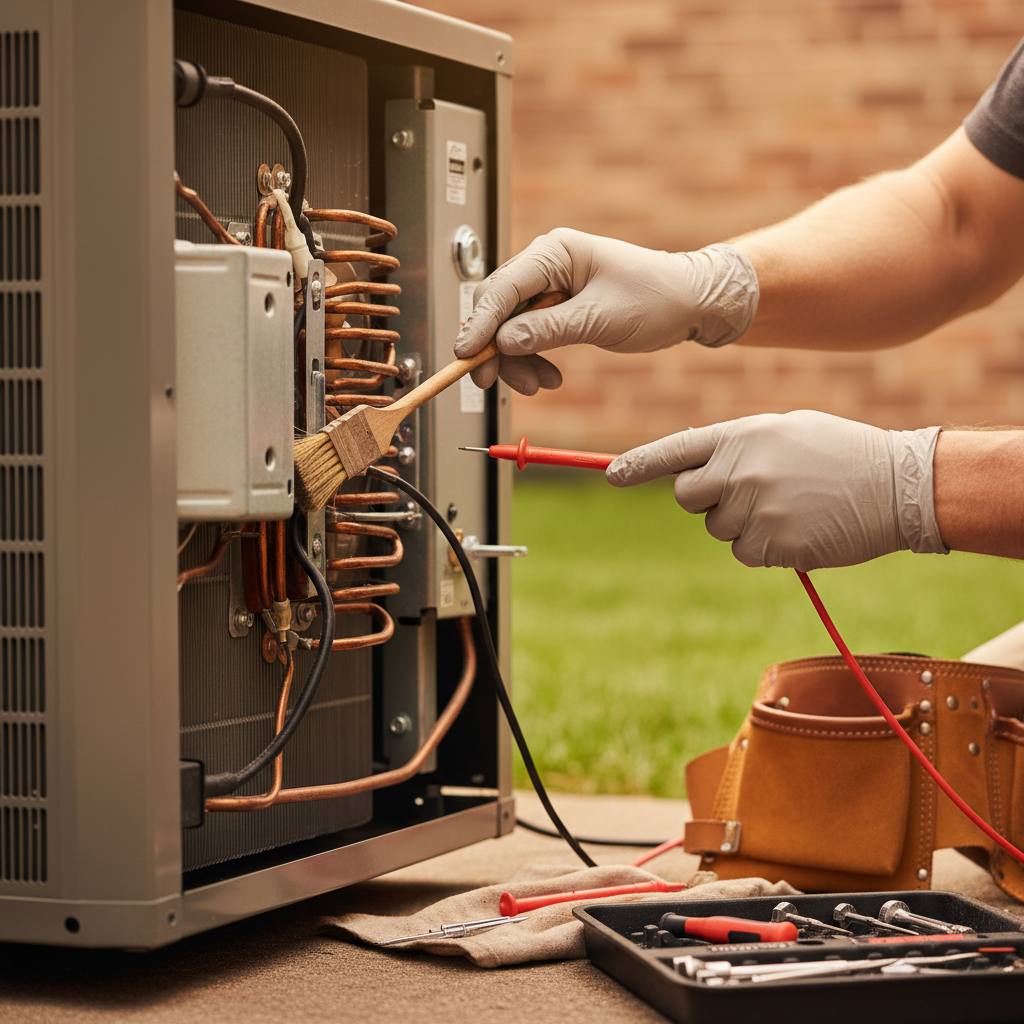
Heating, ventilation, and air conditioning systems must be serviced regularly to ensure efficient operation throughout the year. Schedule inspections and cleanings at least twice a year, ideally before the onset of summer and winter. This will not only prolong the lifespan of the equipment but also enhance energy efficiency.
Encourage tenants to report any unusual noises or inefficiencies they notice. Prompt action can prevent minor issues from escalating into significant problems.
Landscaping and Exterior Care
Landscaping plays a vital role in your property's curb appeal. In spring and summer, focus on regular mowing, pruning, and watering. Consider planting seasonal flowers to enhance visual appeal. During the fall, prioritize leaf removal and prepare plants for the colder months by mulching and trimming where necessary.
Winter requires a focus on snow and ice removal. Develop a plan for clearing walkways and parking areas promptly to prevent accidents and ensure accessibility.
Ensure Safety Measures
Safety should be a top priority all year round. Check outdoor lighting, especially as days grow shorter in fall and winter. Replace any burnt-out bulbs and consider installing motion sensors for added security.
Inspect all handrails, stairs, and entryways to ensure they are secure and in good condition. Slippery surfaces can pose serious risks, so take preventive measures by applying anti-slip treatments where necessary.
Plan for Emergencies
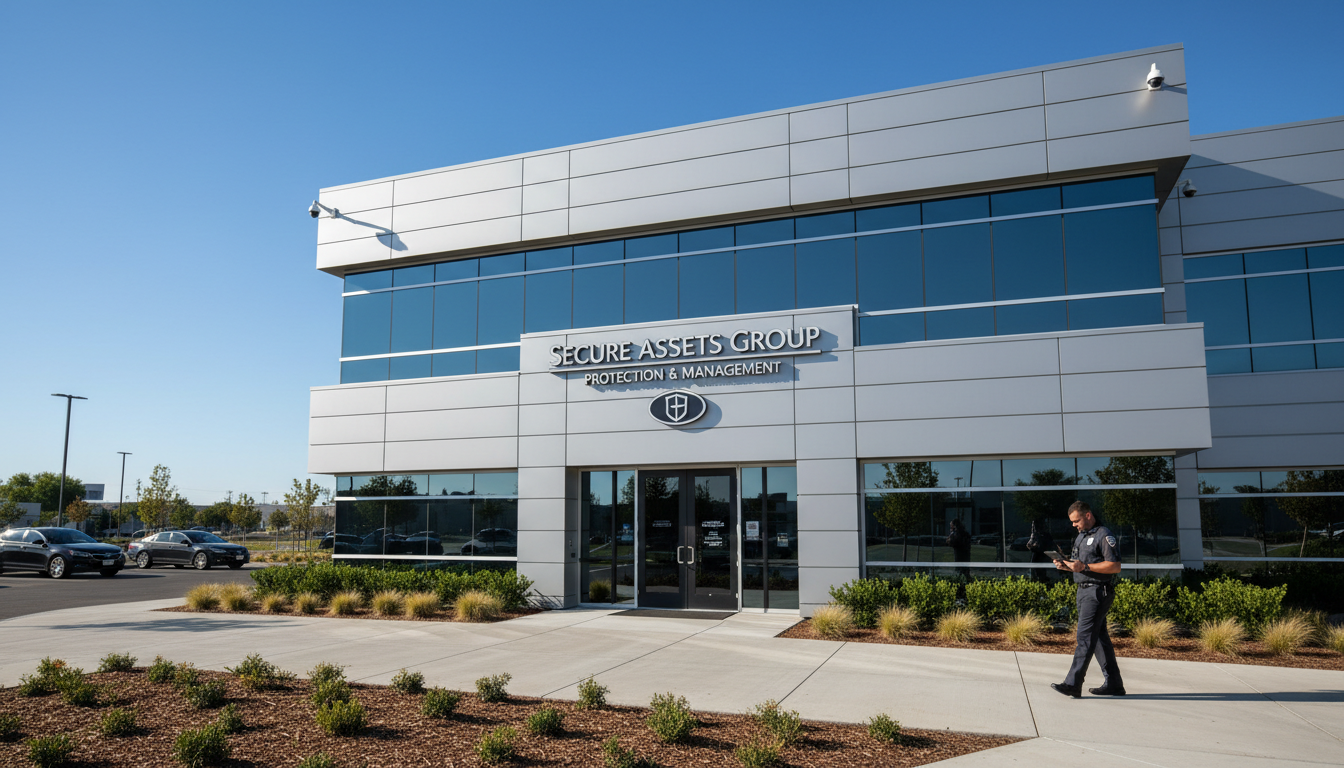
Every season can bring unexpected challenges, from storms to power outages. Ensure that your property has a well-outlined emergency plan. This includes having a reliable backup power source, such as generators, and clear communication channels with tenants.
Conduct regular drills and provide tenants with the necessary information and resources to handle emergencies effectively.
Review and Update Insurance Policies
Regularly review your property insurance policies to ensure comprehensive coverage for seasonal risks. Weather-related damages can be unpredictable, so having the right insurance is essential to mitigate financial losses.
Consult with your insurance provider to understand any adjustments needed based on seasonal changes and potential hazards specific to your location.
Conclusion
Preparing your commercial property for seasonal changes is an ongoing process that requires attention to detail and proactive measures. By maintaining structural integrity, ensuring safety, and planning for emergencies, you can protect your investment and provide a safe, welcoming environment for everyone who uses your property.