How to Implement Effective Property Sustainability Solutions in Commercial Buildings


Understanding Property Sustainability
Implementing effective property sustainability solutions in commercial buildings is a crucial step towards reducing environmental impact and enhancing operational efficiency. By adopting sustainable practices, businesses not only contribute to a healthier planet but also benefit from cost savings and improved brand reputation. This guide outlines key strategies for achieving sustainability in commercial properties.
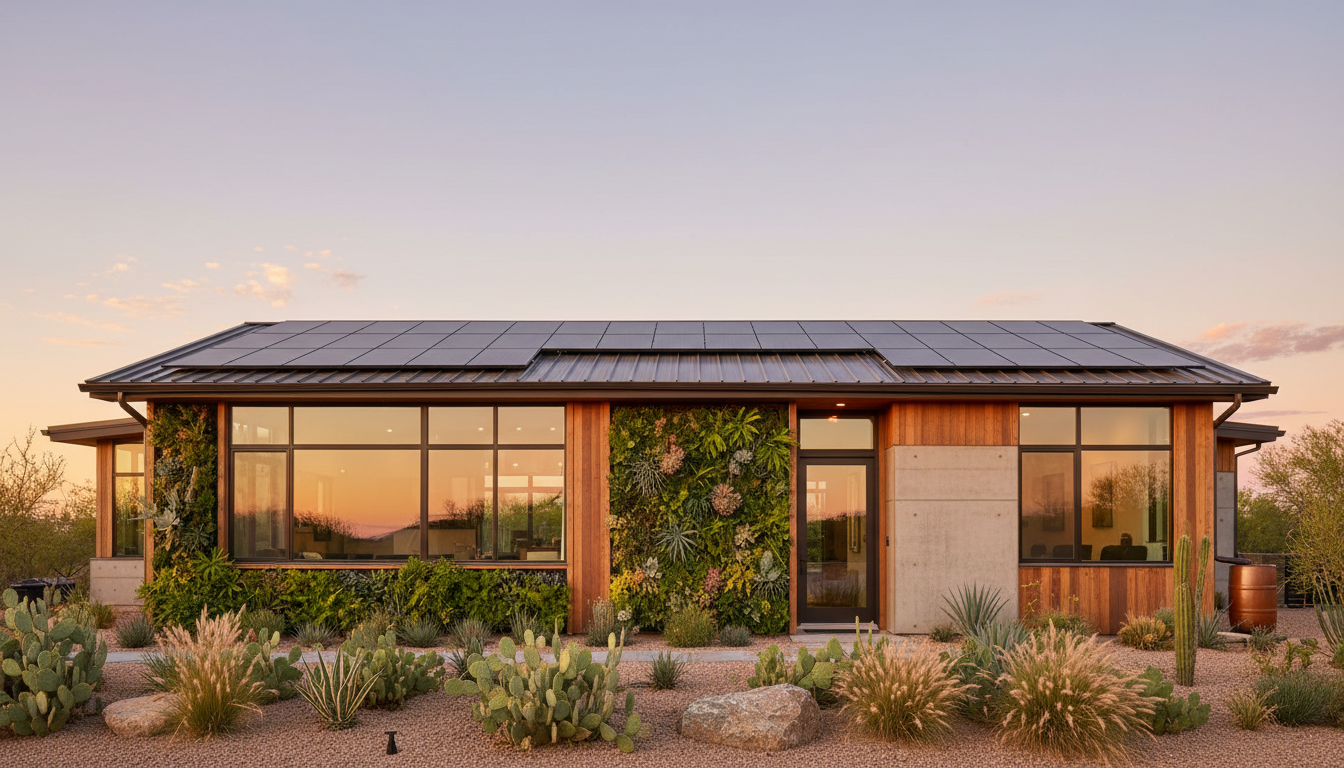
Conducting an Energy Audit
The first step in implementing sustainability is to conduct a comprehensive energy audit. This process involves assessing the building’s current energy consumption and identifying areas for improvement. An energy audit helps pinpoint inefficiencies and provides a roadmap for reducing energy use. Partnering with a professional energy auditor can ensure accurate results and actionable insights.
Benefits of Energy Audits
Energy audits can lead to significant cost savings by identifying opportunities for energy reduction. Additionally, they help in setting clear sustainability goals and tracking progress over time. Regular audits ensure that sustainability strategies remain effective and adapt to changing needs.
Implementing Energy-Efficient Technologies
Once an energy audit is complete, the next step is to implement energy-efficient technologies. This can include upgrading to LED lighting, installing smart thermostats, and using energy-efficient HVAC systems. These technologies not only reduce energy consumption but also improve the overall comfort and functionality of the building.
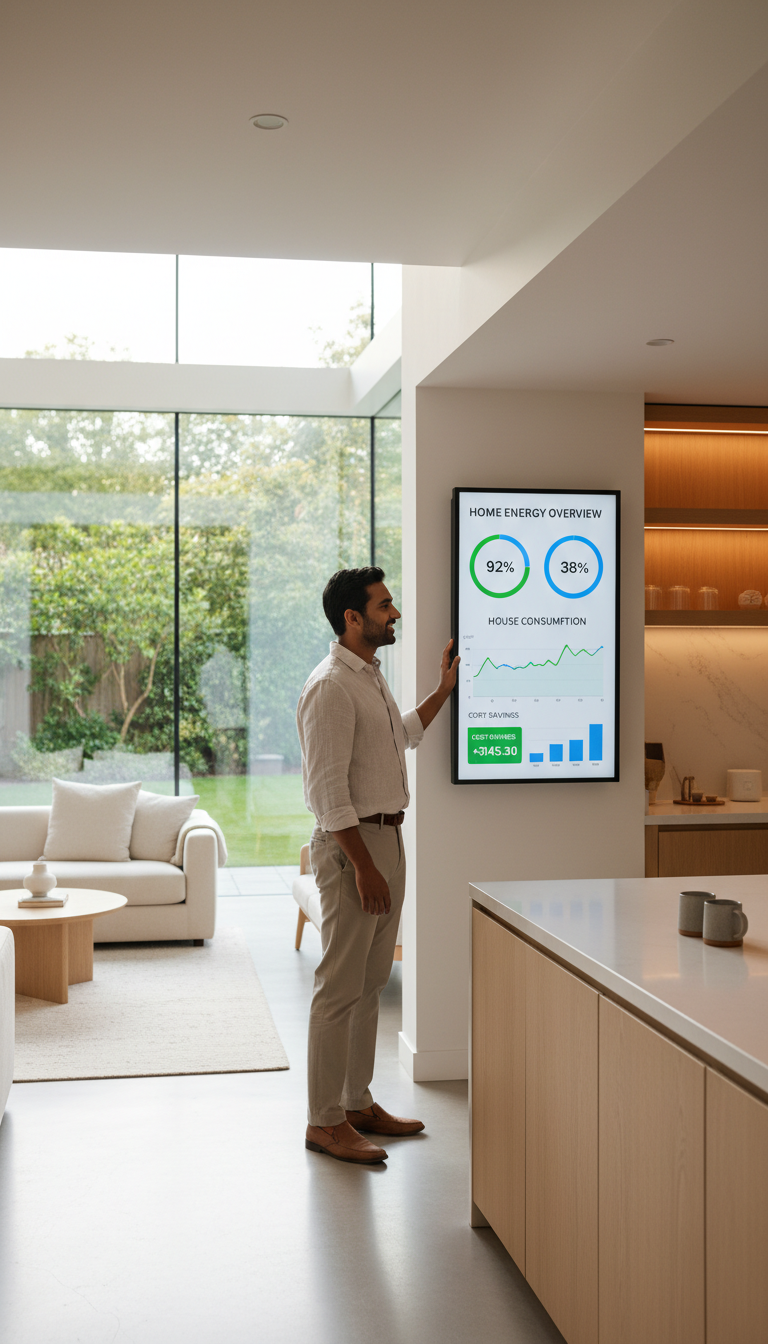
Smart Building Systems
Integrating smart building systems can further enhance energy efficiency. These systems use sensors and automation to optimize energy use, ensuring that resources are used only when necessary. For example, automated lighting systems can adjust based on occupancy and natural light levels, significantly reducing energy waste.
Water Conservation Strategies
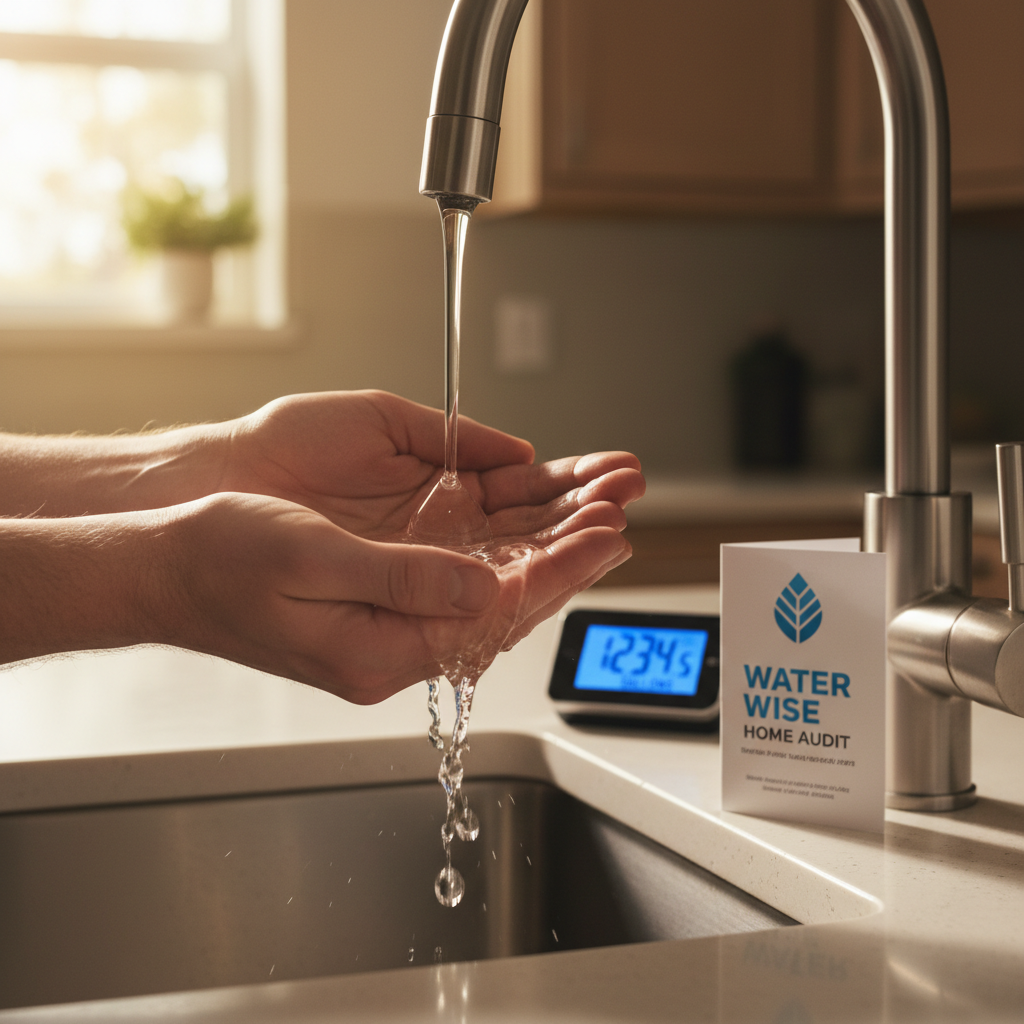
Water conservation is another crucial aspect of property sustainability. Implementing low-flow fixtures, efficient irrigation systems, and rainwater harvesting can drastically reduce water usage. Monitoring water consumption and fixing leaks promptly also play a vital role in conserving this precious resource.
Landscaping and Irrigation
Sustainable landscaping practices, such as using native plants and xeriscaping, can minimize water requirements. Efficient irrigation systems, like drip irrigation, ensure that water is used effectively, further contributing to conservation efforts.
Enhancing Indoor Air Quality
Improving indoor air quality is essential for the health and well-being of building occupants. This can be achieved through proper ventilation, using low-VOC materials, and incorporating plants indoors. Enhanced air quality not only supports occupant health but also boosts productivity and satisfaction.
Regular Maintenance and Monitoring
Ongoing maintenance and monitoring are vital to sustaining improvements in air quality. Regularly servicing HVAC systems, changing air filters, and using air quality sensors can help maintain a healthy indoor environment.
Engaging Occupants in Sustainability Efforts
Engaging building occupants in sustainability efforts is key to long-term success. Educating employees and tenants about sustainable practices and encouraging their participation can create a culture of sustainability within the building. Providing incentives for sustainable behaviors can further enhance engagement.

By following these guidelines, commercial buildings can effectively implement property sustainability solutions, leading to a positive environmental impact and enhanced operational performance. Embracing sustainability not only benefits the planet but also creates a competitive advantage in the marketplace.