Facility Management Solutions: Streamlining Operations for Better Efficiency


Understanding Facility Management Solutions
In today's fast-paced business environment, efficient facility management is crucial for any organization. Facility management solutions are designed to streamline operations, enhance productivity, and reduce costs. These solutions encompass a wide range of services and technologies that help manage and maintain buildings, infrastructure, and other services effectively.
Facility management is not just about maintaining physical spaces; it's about creating environments where people can thrive. By integrating technology and strategic planning, facility management solutions ensure that every aspect of a facility runs smoothly.
Key Components of Facility Management Solutions
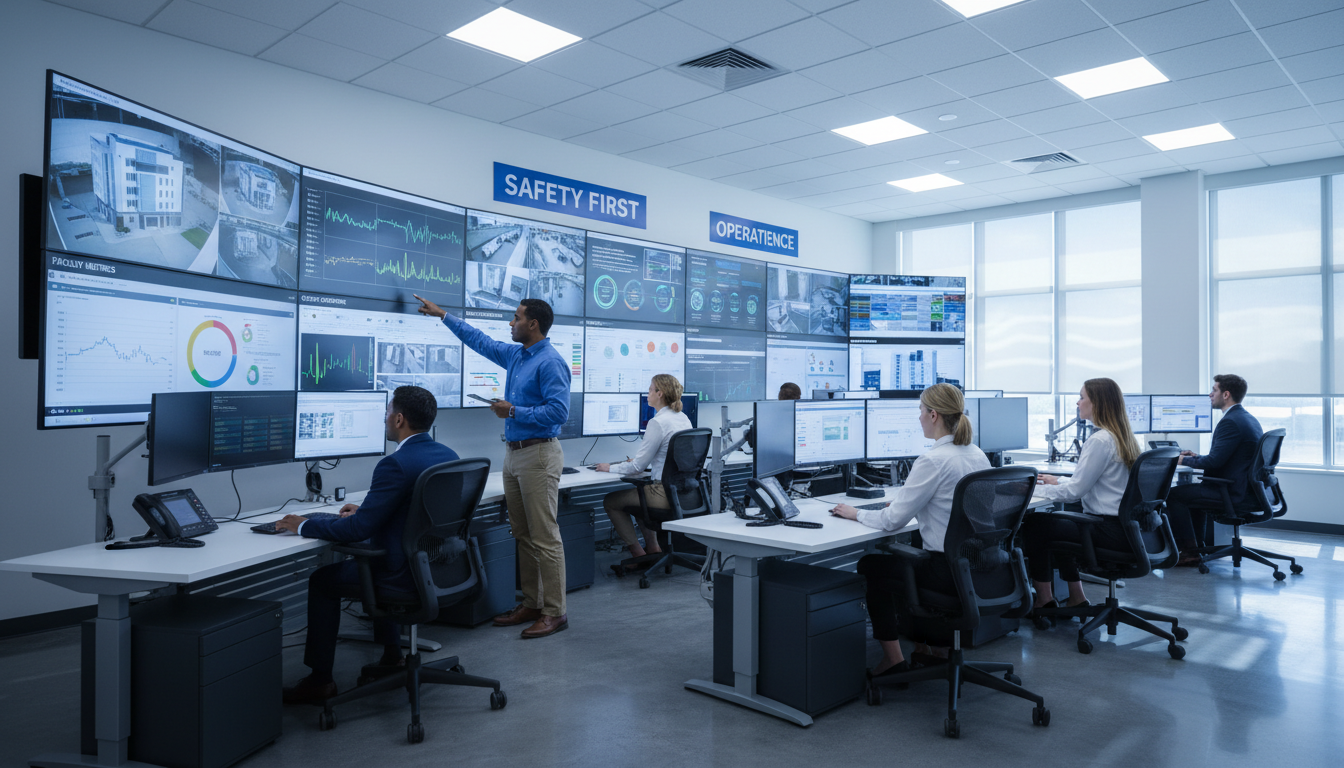
Facility management solutions are comprised of several key components that work together to improve efficiency. These include:
- Space Management: Optimizing the use of space to enhance productivity and reduce costs.
- Asset Management: Tracking and maintaining assets to ensure their longevity and efficiency.
- Energy Management: Implementing strategies to reduce energy consumption and promote sustainability.
The Role of Technology
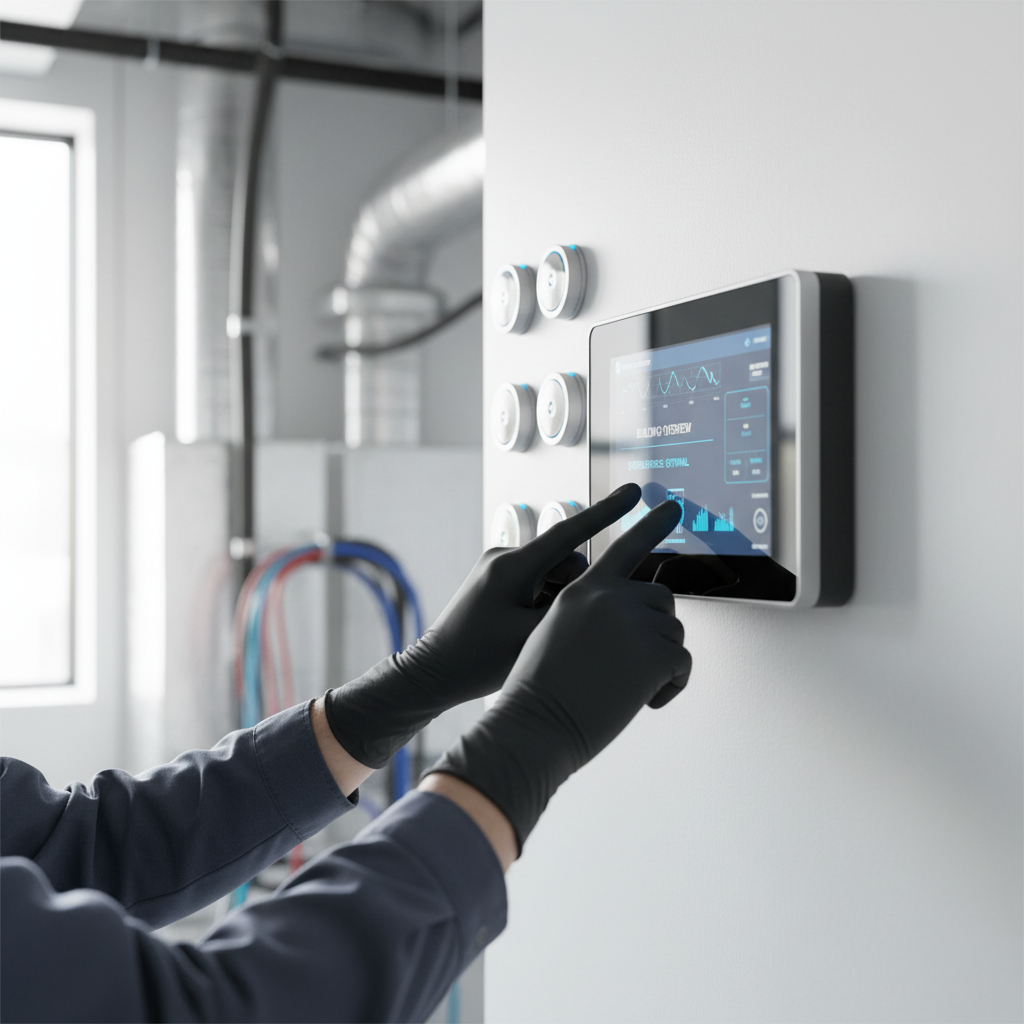
Technology plays a crucial role in modern facility management solutions. From IoT devices that monitor building conditions in real-time to software platforms that integrate various facility management tasks, technology enhances operational efficiency. By leveraging data analytics, facility managers can make informed decisions that lead to better resource allocation and cost savings.
Benefits of Streamlining Operations
Streamlining operations through facility management solutions brings numerous benefits to organizations. Improved efficiency means reduced operational costs, enhanced occupant satisfaction, and a safer working environment. By automating routine tasks, facility managers can focus on strategic planning and innovation.
Moreover, streamlined operations lead to better compliance with regulatory requirements and standards, ensuring that facilities remain safe and secure.
Implementing Facility Management Solutions
Implementing effective facility management solutions requires a strategic approach. Organizations must assess their current processes, identify areas for improvement, and select the right technologies and services to meet their needs. Collaboration between facility managers, IT professionals, and other stakeholders is essential for successful implementation.

Challenges and Considerations
While the benefits of facility management solutions are clear, there are challenges to consider. These include the initial investment in technology, the need for ongoing training, and the potential for resistance to change. However, with careful planning and execution, these challenges can be overcome.
Organizations must also consider the scalability of their solutions to ensure they can adapt to future growth and changes in the industry.
Future Trends in Facility Management
As technology continues to evolve, so do facility management solutions. Trends such as artificial intelligence, predictive maintenance, and smart buildings are shaping the future of the industry. These innovations promise to further enhance efficiency and sustainability in facility management.
By staying ahead of these trends, organizations can continue to optimize their operations and achieve greater success.