Expert Tips for Effective Historic Building Maintenance


Understanding the Importance of Historic Building Maintenance
Historic buildings are treasures that connect us to our past, offering a glimpse into architectural styles and cultural histories. Maintaining these structures is crucial not only for preserving our heritage but also for ensuring safety and functionality. Effective maintenance involves understanding their unique needs and employing specific strategies to address them.
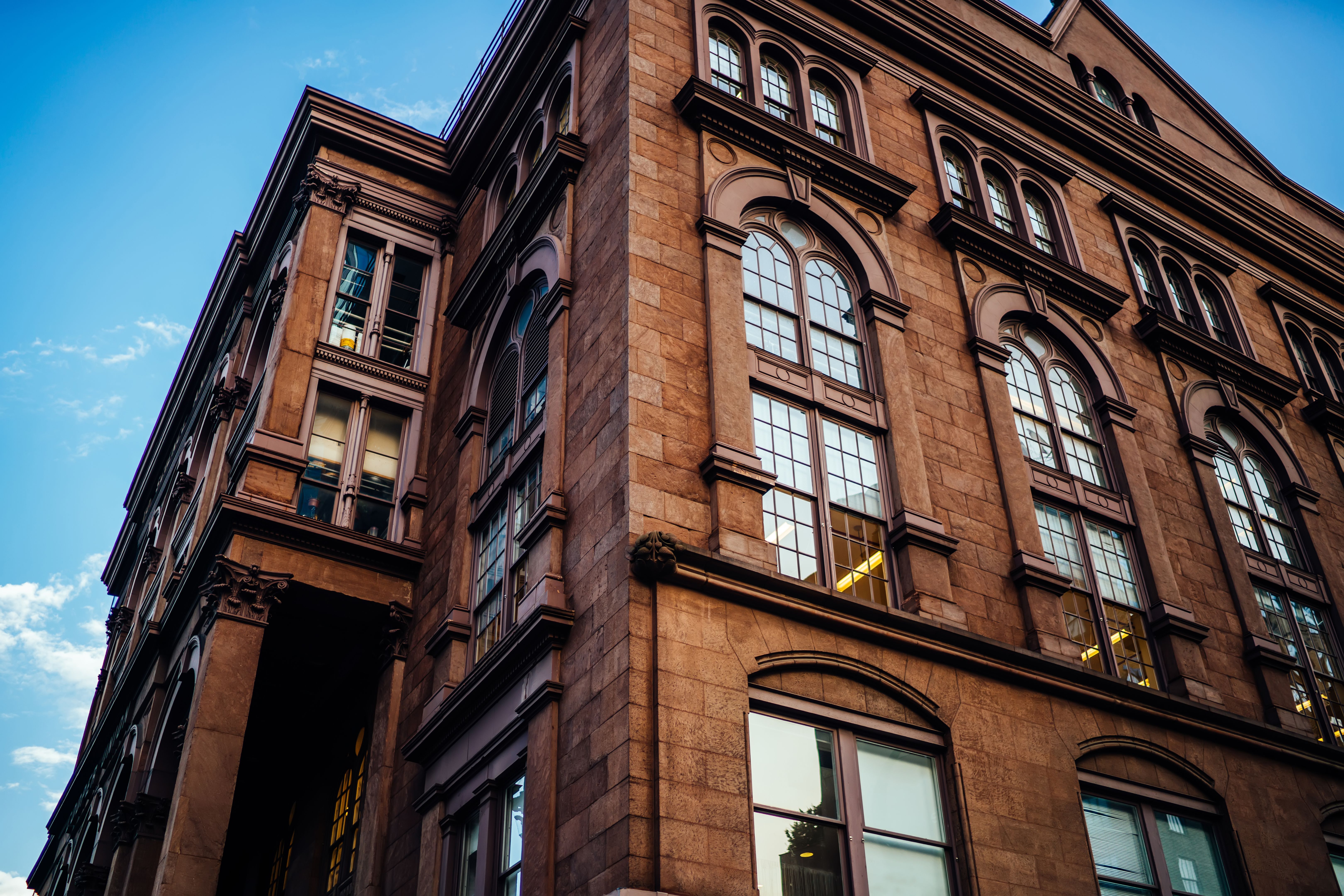
Conducting Thorough Inspections
Regular inspections are the cornerstone of effective historic building maintenance. These inspections should be comprehensive, covering both the interior and exterior of the building. Look for signs of wear and tear, such as cracks in the walls, water damage, or deteriorating materials. Early detection of issues can prevent larger, more costly problems down the line.
Engage professionals who specialize in historic buildings to carry out these inspections. They have the expertise to identify subtle indicators of potential issues that might be overlooked by the untrained eye. This proactive approach can extend the building's lifespan and preserve its historical value.
Prioritizing Structural Integrity
The structural integrity of a historic building is paramount. Over time, materials like wood, stone, and brick may weaken, requiring careful attention and restoration. Collaborate with structural engineers who have experience in historic preservation to assess and reinforce the building’s framework.
Ensure that any restoration work respects the original design and materials. Using modern materials might seem convenient, but it's essential to maintain the building's authenticity by sourcing period-appropriate materials whenever possible.

Addressing Environmental Concerns
Historic buildings were often constructed without consideration for modern environmental challenges. Climate change, pollution, and urban development can all impact their condition. Implement strategies to protect these structures from environmental damage, such as installing proper drainage systems and using environmentally friendly materials for repairs.
Consider the building’s location and its specific environmental risks. Coastal buildings, for instance, may need additional protection against saltwater corrosion, while urban structures might require insulation against pollution.
Maintaining Aesthetic Authenticity
Preserving the aesthetic authenticity of a historic building is just as important as maintaining its structural integrity. This involves careful attention to details like paint colors, window styles, and decorative elements. Consult historical records and photographs to ensure accuracy in restoration efforts.

When replacing parts of the building, such as windows or doors, prioritize finding replicas that match the original style. This not only preserves the building's character but also enhances its historical significance and appeal.
Implementing Preventative Maintenance
Preventative maintenance is key to ensuring the long-term preservation of historic buildings. Establish a regular schedule for tasks such as cleaning gutters, checking roof integrity, and maintaining HVAC systems. These routine activities can prevent minor issues from developing into major concerns.
Training staff and volunteers in basic preservation techniques can also be beneficial. This creates a knowledgeable team that can address minor issues before they escalate, saving both time and resources.
Conclusion
Effective maintenance of historic buildings requires a delicate balance of respecting the past while preparing for the future. By employing expert tips and focusing on thorough inspections, structural integrity, environmental protection, aesthetic authenticity, and preventative care, these architectural gems can be preserved for generations to come.