Expert Tips for Effective Facility Management


Understanding the Role of Facility Management
Facility management is a critical aspect of any organization, ensuring that the physical environment supports the core business activities. From maintaining buildings to managing services like cleaning and security, effective facility management can significantly impact operational efficiency. It's more than just maintenance—it's about creating a safe, comfortable, and productive environment.
To excel in facility management, professionals need to adopt a strategic approach, integrating technology and sustainable practices. This not only enhances the workplace experience but also contributes to the organization's bottom line.

Implementing Preventive Maintenance
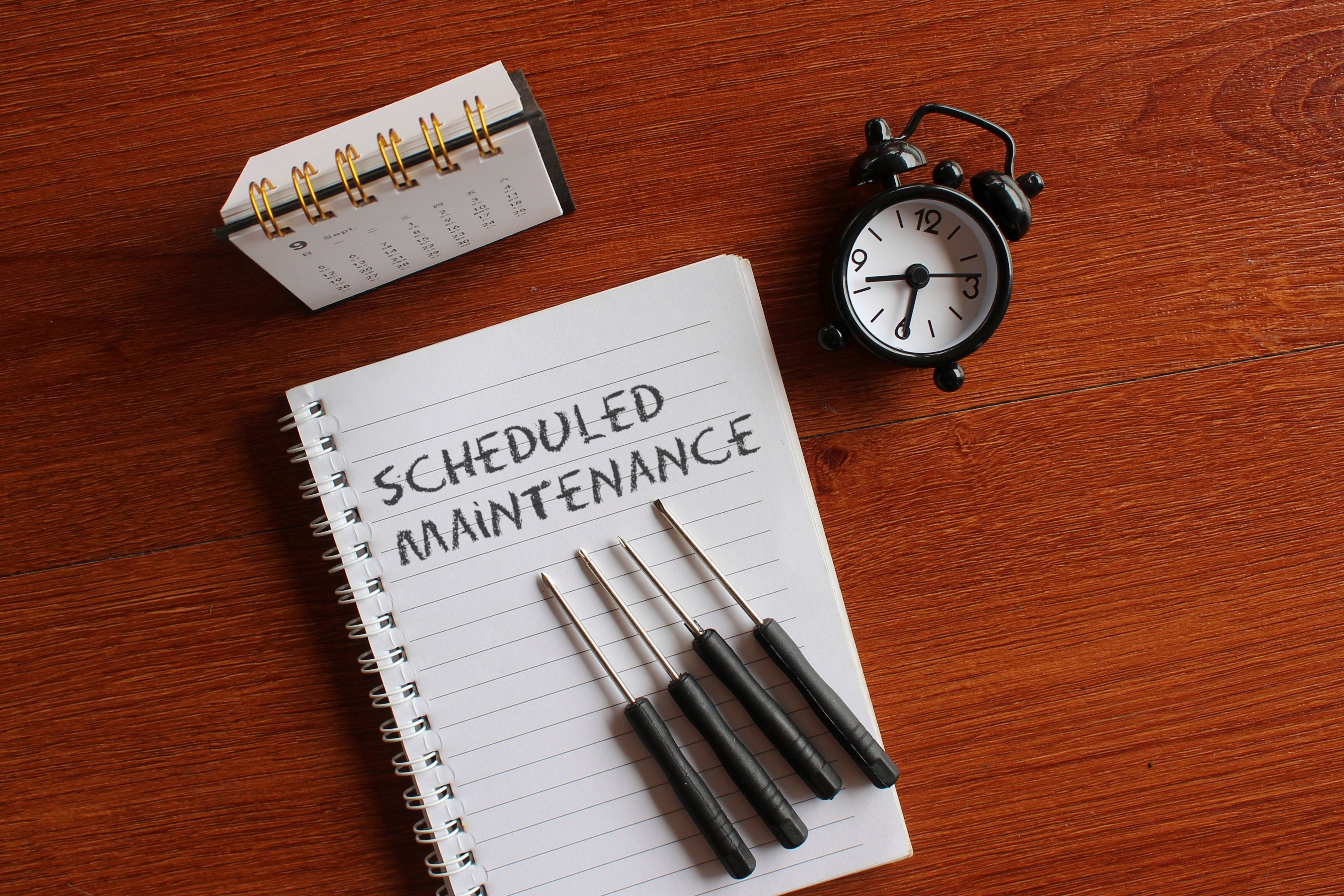
One of the key strategies in effective facility management is implementing a preventive maintenance program. This involves regular inspections and servicing of equipment to prevent unexpected breakdowns. By anticipating potential issues, facility managers can save time and resources, reducing the need for costly emergency repairs.
Regular maintenance checks also extend the lifespan of equipment and infrastructure. It's essential to create a schedule that includes all critical systems, such as HVAC, plumbing, and electrical, ensuring they operate at optimal efficiency.
Leveraging Technology for Better Outcomes
Technology plays a pivotal role in modern facility management. Tools like Computerized Maintenance Management Systems (CMMS) help streamline operations by automating work orders, tracking assets, and managing inventory. These systems provide valuable data that can be analyzed to improve decision-making and efficiency.
Moreover, integrating IoT devices can offer real-time monitoring of facilities, alerting managers to issues before they escalate. This proactive approach can lead to significant cost savings and improved facility performance.
Emphasizing Sustainability
Sustainability is increasingly becoming a focus for facility managers. Implementing eco-friendly practices not only reduces environmental impact but can also result in cost savings. Simple measures like energy-efficient lighting, water conservation systems, and waste reduction programs can make a big difference.
Facility managers should also consider sustainable materials and practices in construction and renovation projects. This not only supports environmental goals but can enhance the organization's reputation as a responsible corporate citizen.
Enhancing Communication and Collaboration
Effective communication and collaboration among teams are crucial for successful facility management. Clear guidelines and regular meetings ensure that everyone is on the same page and working towards common goals. Utilizing collaborative tools can enhance communication, making it easier to share information and coordinate activities.
Building strong relationships with vendors and service providers is also important. A reliable network of partners can help ensure that services are delivered efficiently and effectively.

Training and Development
Investing in the training and development of facility management staff is essential. Providing ongoing education and skill development opportunities keeps the team updated with industry trends and best practices. This not only enhances their capabilities but also boosts morale and job satisfaction.
Encouraging certifications and professional development can lead to more knowledgeable and competent staff, ready to tackle the challenges of facility management with confidence.

Conclusion
Effective facility management requires a multifaceted approach, combining preventive maintenance, technology, sustainability, communication, and training. By focusing on these areas, facility managers can create a more efficient and productive environment, ultimately supporting the organization's success. Adapting to changes and continuously seeking improvements will ensure that facilities remain an asset, rather than a liability, to the business.