DIY Tips for Minor Building Facade Restoration Projects


Understanding the Basics of Facade Restoration
Restoring a building's facade can significantly improve its aesthetic appeal and structural integrity. While major restorations require professional expertise, minor projects can often be tackled by enthusiastic DIYers. By focusing on small-scale tasks, you can enhance your property's curb appeal without a substantial investment.
Before you begin, it's essential to understand the materials involved and the specific issues affecting your facade. Common materials include brick, stone, wood, and stucco, each requiring different techniques and products for restoration.

Inspecting and Cleaning the Facade
The first step in any restoration project is a thorough inspection. Look for signs of damage such as cracks, discoloration, or loose materials. Pay attention to areas exposed to water, as these are often the most vulnerable to deterioration.
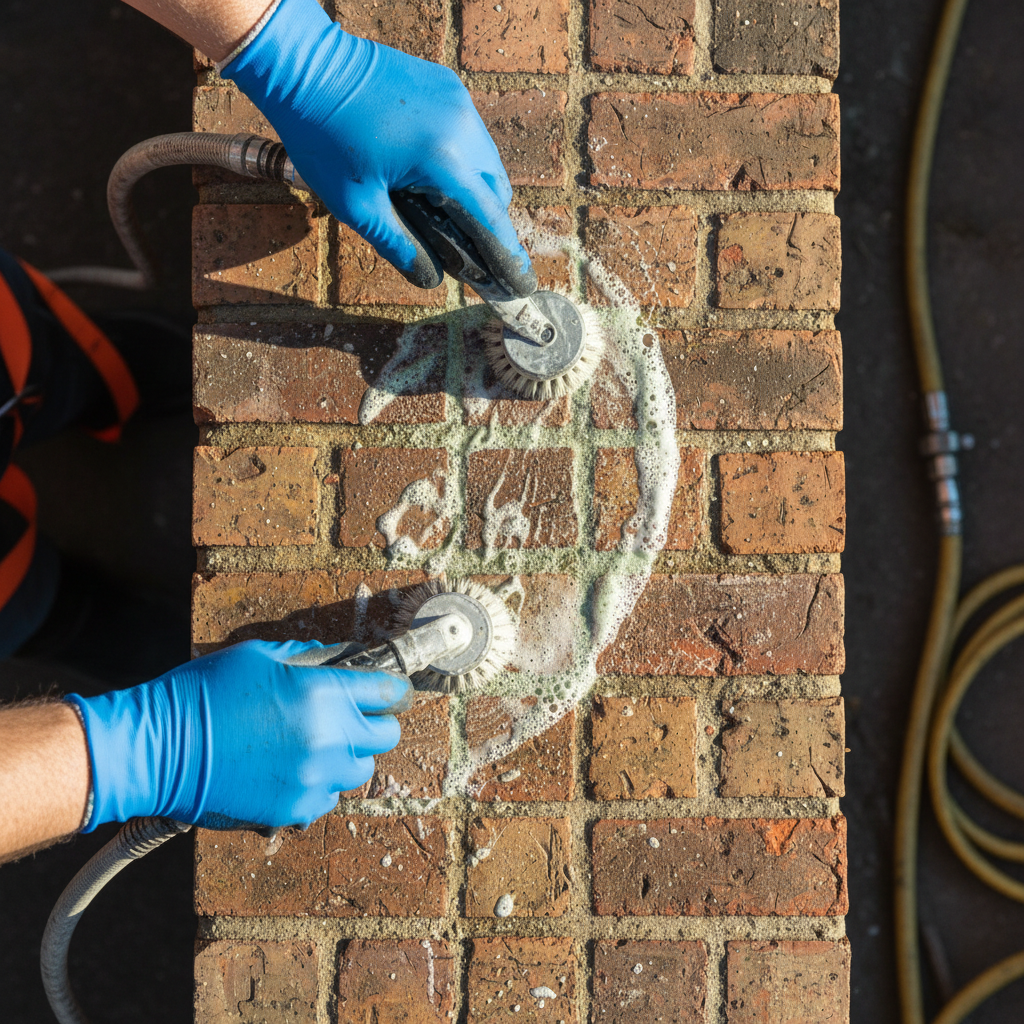
Once inspected, cleaning the facade is crucial. Use a gentle detergent and soft brush to remove dirt and grime. For tougher stains, consider using a pressure washer, but be cautious to avoid damaging delicate surfaces. Regular cleaning can prevent long-term damage and is a simple way to maintain a fresh appearance.
Repairing Minor Damage
After cleaning, address any minor damage you've identified. For small cracks in brick or stone, a quality mortar repair compound can seal gaps and prevent further deterioration. Ensure the compound matches the existing mortar for a seamless finish.
Wooden facades may need sanding and resealing. Use sandpaper to smooth out rough patches, and apply a weather-resistant sealant to protect against the elements. This process helps maintain the wood's natural beauty while extending its lifespan.
Painting and Finishing Touches
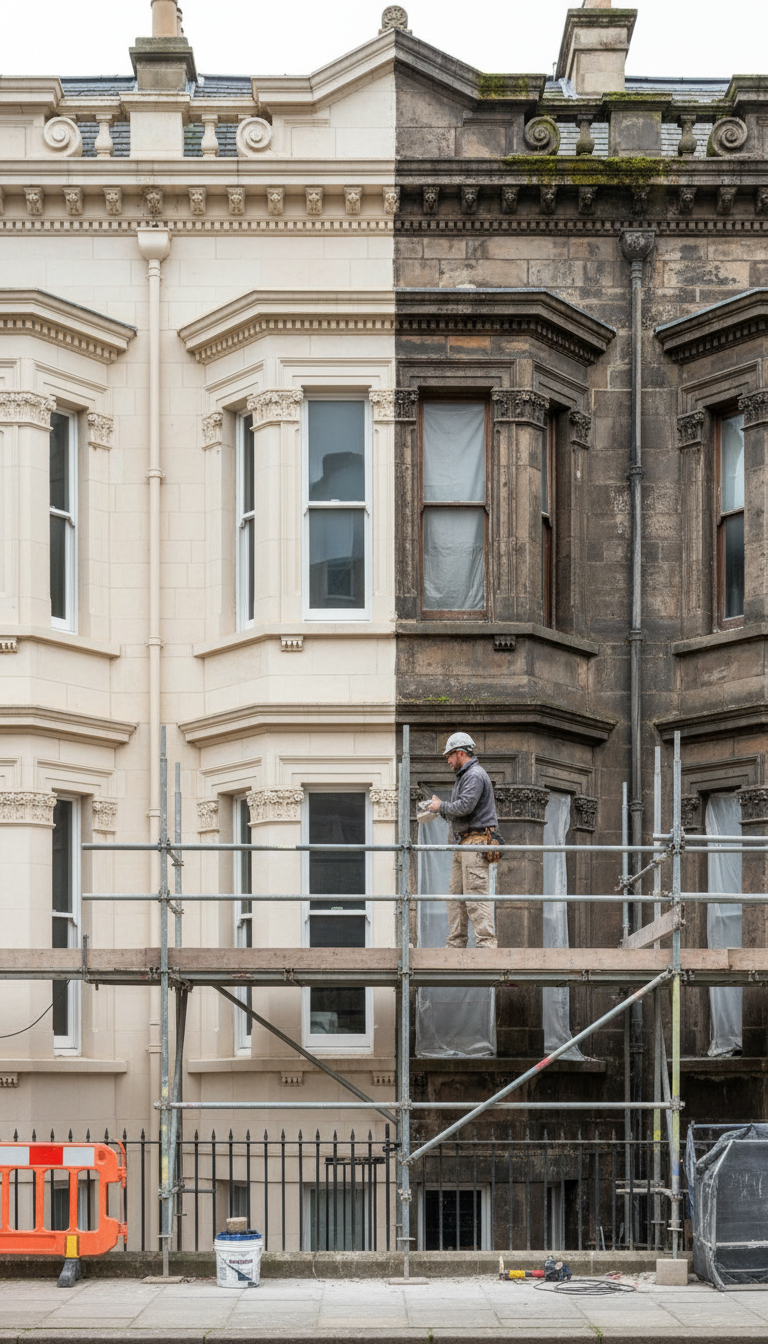
A fresh coat of paint can dramatically transform your building's facade. Choose high-quality, weather-resistant paint that's suitable for your facade material. Before painting, prepare the surface by filling holes and sanding uneven areas to ensure a smooth application.
Consider the architectural style and surroundings when selecting a color palette. Neutral tones often offer timeless appeal, while bold colors can make a statement. Don't forget to paint trims and moldings to complete the look.
Maintaining Your Restored Facade
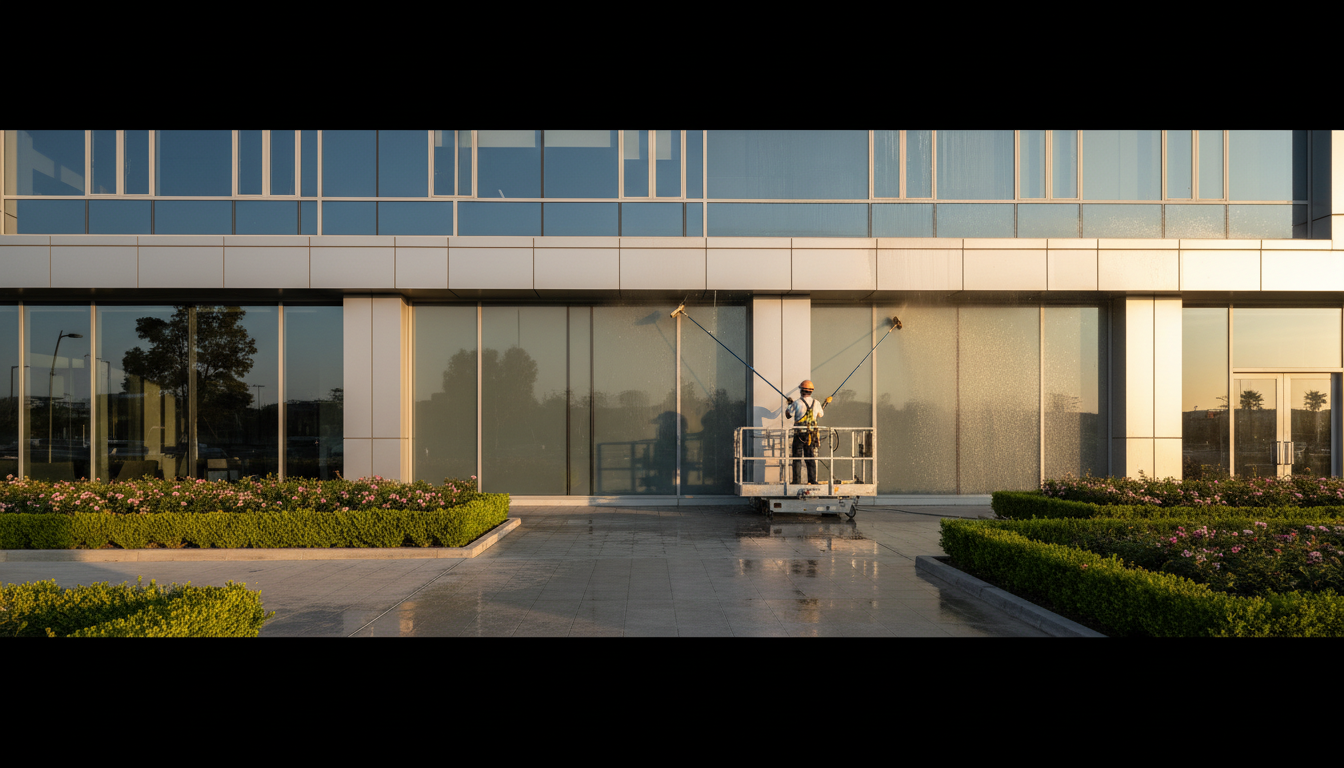
Regular maintenance is key to preserving your hard work. Establish a routine for cleaning and inspecting your facade every few months. Promptly address any new issues to prevent them from escalating into more significant problems.
Consider applying a protective coating to surfaces prone to weather damage. This extra layer can shield against moisture and UV rays, ensuring your facade remains attractive for years to come.
Conclusion
With patience and attention to detail, minor facade restoration projects can be both rewarding and cost-effective. By following these DIY tips, you can enhance the beauty and longevity of your building's exterior. Remember, when in doubt, consult with a professional to ensure that your restoration efforts are safe and effective.