DIY Tips for Basic Commercial Building Maintenance


Regular Inspections
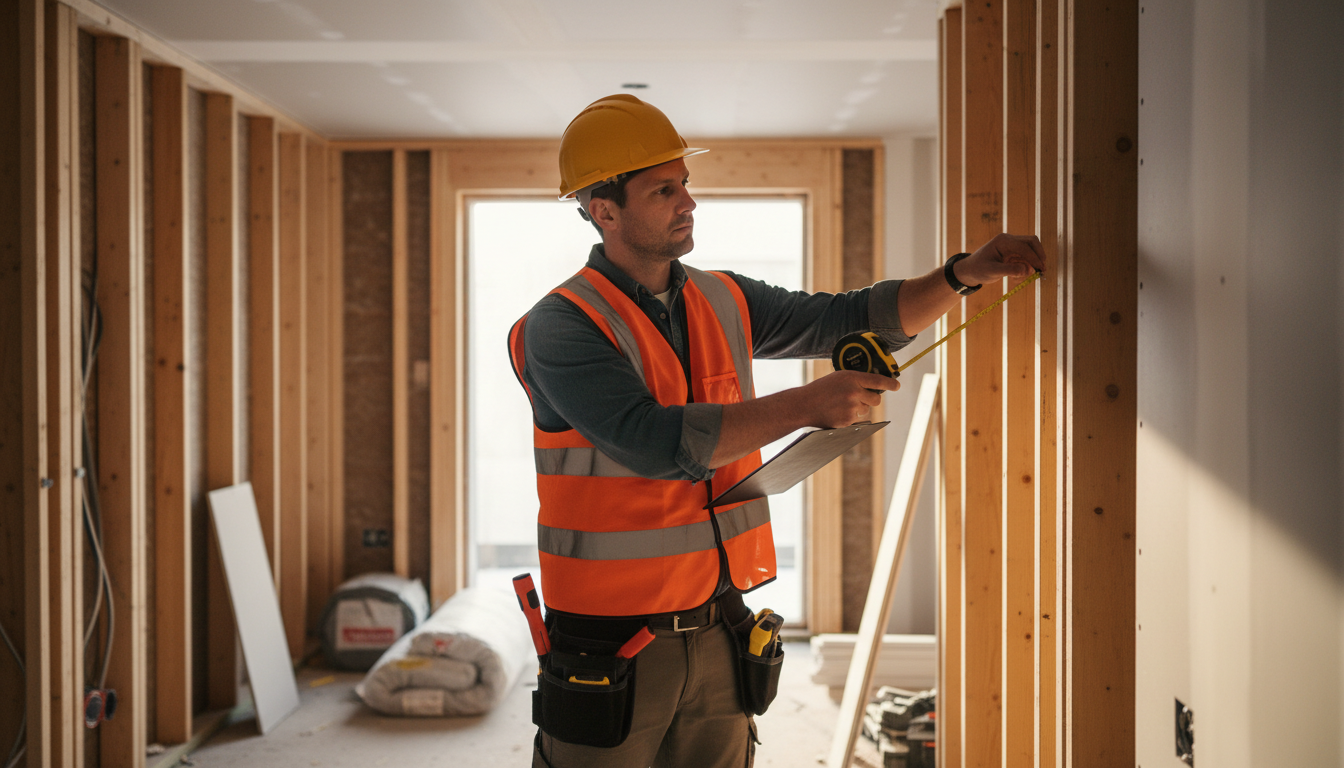
Maintaining a commercial building requires regular inspections to ensure everything is functioning correctly. Performing these inspections can help identify potential issues before they become costly repairs. Start by scheduling monthly walk-throughs to assess the condition of the building's structure, plumbing, and electrical systems.
Check HVAC Systems
Heating, Ventilation, and Air Conditioning (HVAC) systems are crucial for maintaining a comfortable work environment. Regularly check filters and replace them as needed to ensure efficiency. It's also wise to schedule professional maintenance at least twice a year to prevent unexpected breakdowns.
Plumbing Maintenance
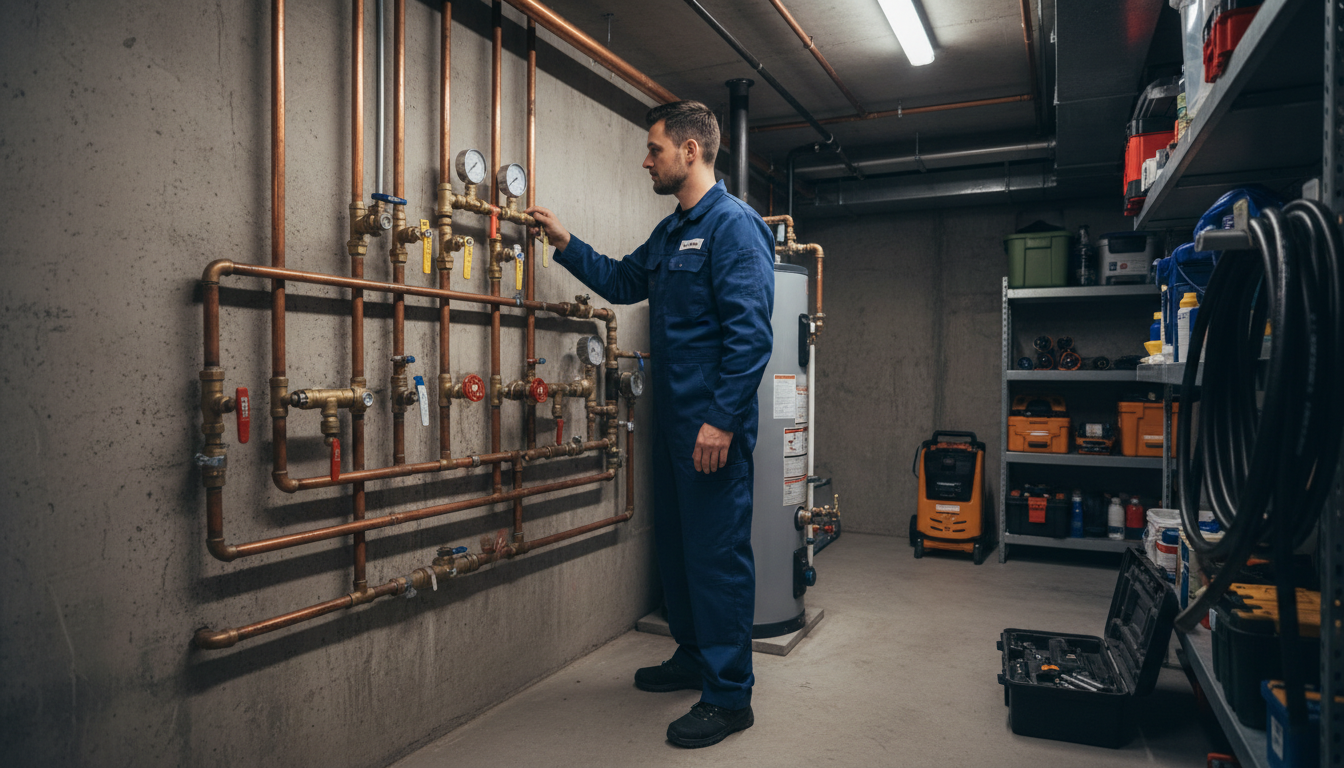
Plumbing issues can cause significant disruptions in a commercial building. Regularly inspect pipes, faucets, and toilets for leaks. Address any minor leaks immediately to prevent water damage. Consider installing water-saving fixtures to reduce utility costs.
Roof and Gutter Care
The roof is a critical component of any commercial building. Conduct regular inspections to check for damage or leaks. Clean gutters and downspouts to prevent water accumulation and potential roof damage. Address any issues promptly to avoid costly repairs.
Electrical System Checks
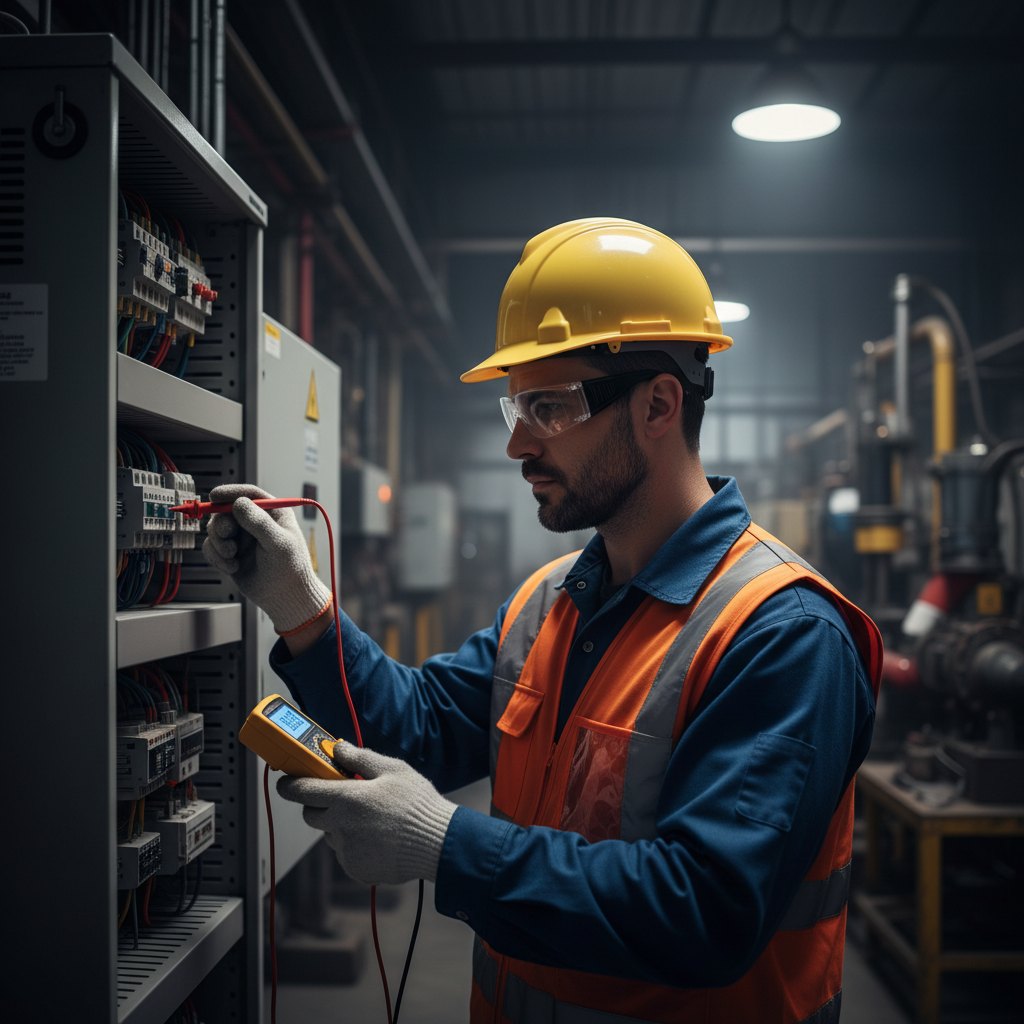
Ensure the safety of your building by regularly inspecting the electrical systems. Check for frayed wires or malfunctioning outlets. Encourage tenants or employees to report any electrical issues immediately. Hiring a licensed electrician for an annual inspection can provide peace of mind.
Exterior Maintenance
First impressions matter, so regular exterior maintenance is vital. Pressure wash the building's exterior to remove dirt and grime. Check for cracks or damage and address them promptly. Maintaining a clean and presentable exterior can enhance your building's curb appeal.
Emergency Preparedness
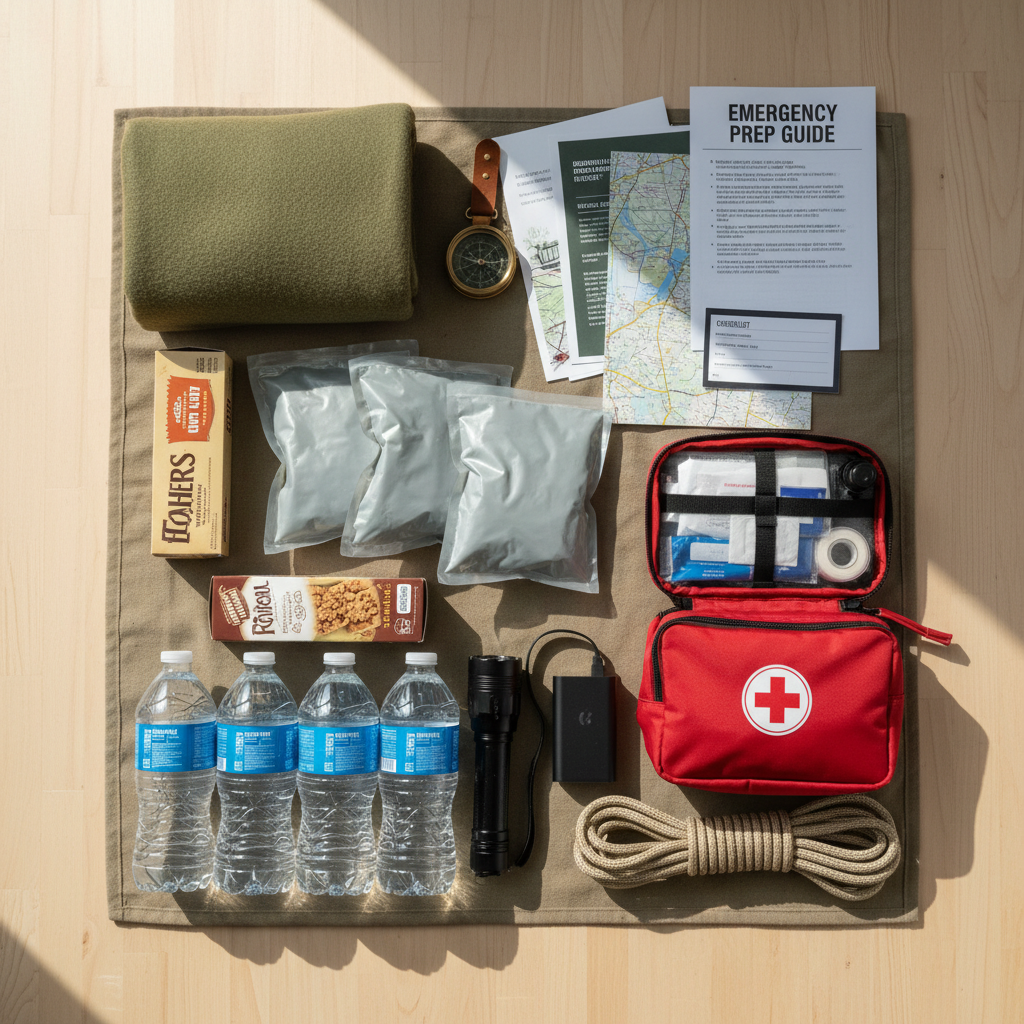
Prepare for emergencies by ensuring that fire extinguishers, alarms, and emergency exits are in working order. Conduct regular drills to ensure everyone knows what to do in case of an emergency. Keeping safety equipment in good condition can save lives and minimize property damage.
Develop a Maintenance Schedule
Creating a comprehensive maintenance schedule is essential for keeping track of tasks and responsibilities. Use a digital calendar or maintenance software to remind you of regular inspections and repairs. Consistency is key to effective building maintenance.
Conclusion
By following these DIY maintenance tips, you can keep your commercial building in top shape. Regular inspections and proactive care can prevent costly repairs and ensure a safe and comfortable environment for tenants and employees. Remember, maintaining a commercial building is an ongoing process that requires attention and diligence.