Debunking Myths About Building Conservation


Understanding Building Conservation
Building conservation is often shrouded in misconceptions that can deter property owners and developers from embracing its benefits. Understanding the true nature of conservation can lead to more informed decisions and better preservation of our architectural heritage.
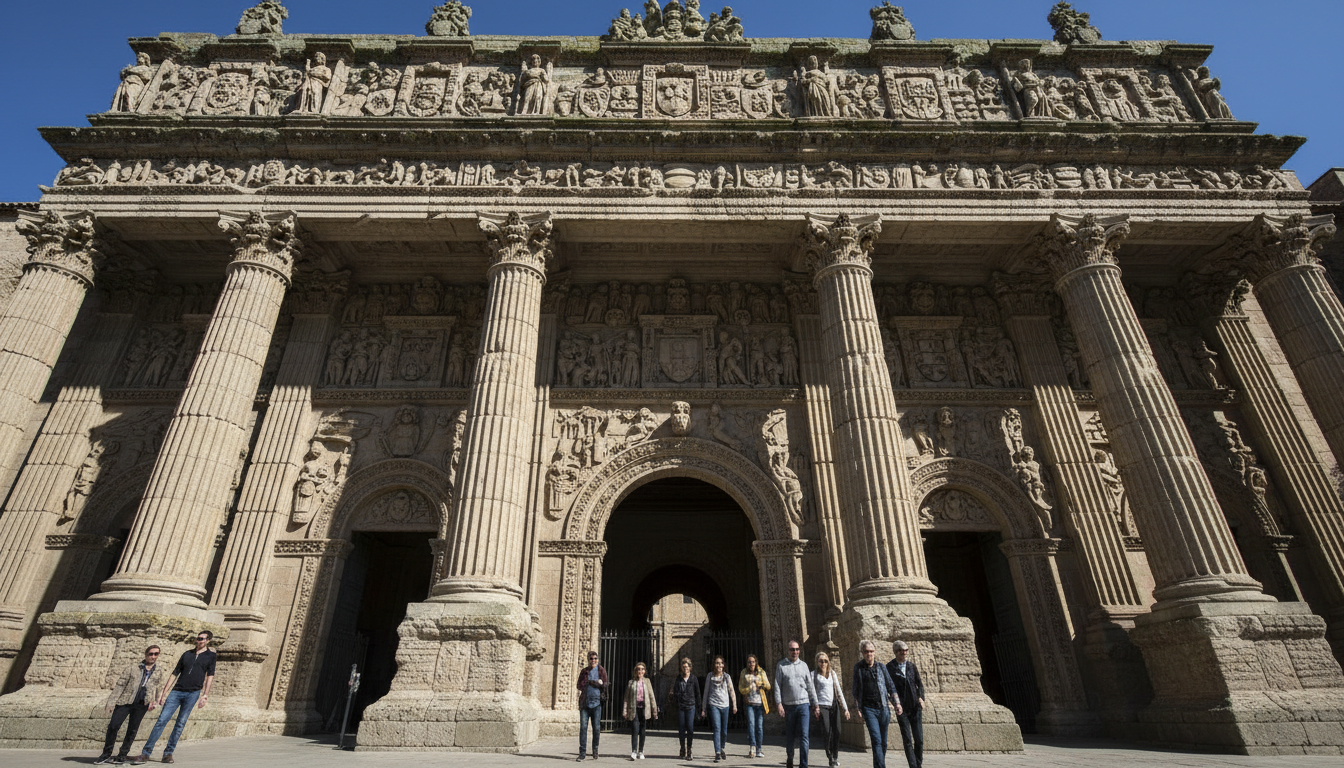
Myth 1: Conservation Is Too Expensive
One of the most common myths is that building conservation is prohibitively expensive. While it’s true that some projects can be costly, conservation often offers long-term savings. By maintaining the original structure, owners can avoid the expenses associated with demolition and new construction. Additionally, many jurisdictions offer tax incentives and grants to support conservation efforts.
Myth 2: Conservation Limits Creativity
Another misconception is that conservation stifles architectural creativity. In reality, it provides an opportunity for architects and designers to creatively integrate modern amenities while respecting historical elements. This challenge often leads to innovative solutions that enhance both the functionality and aesthetic value of a building.
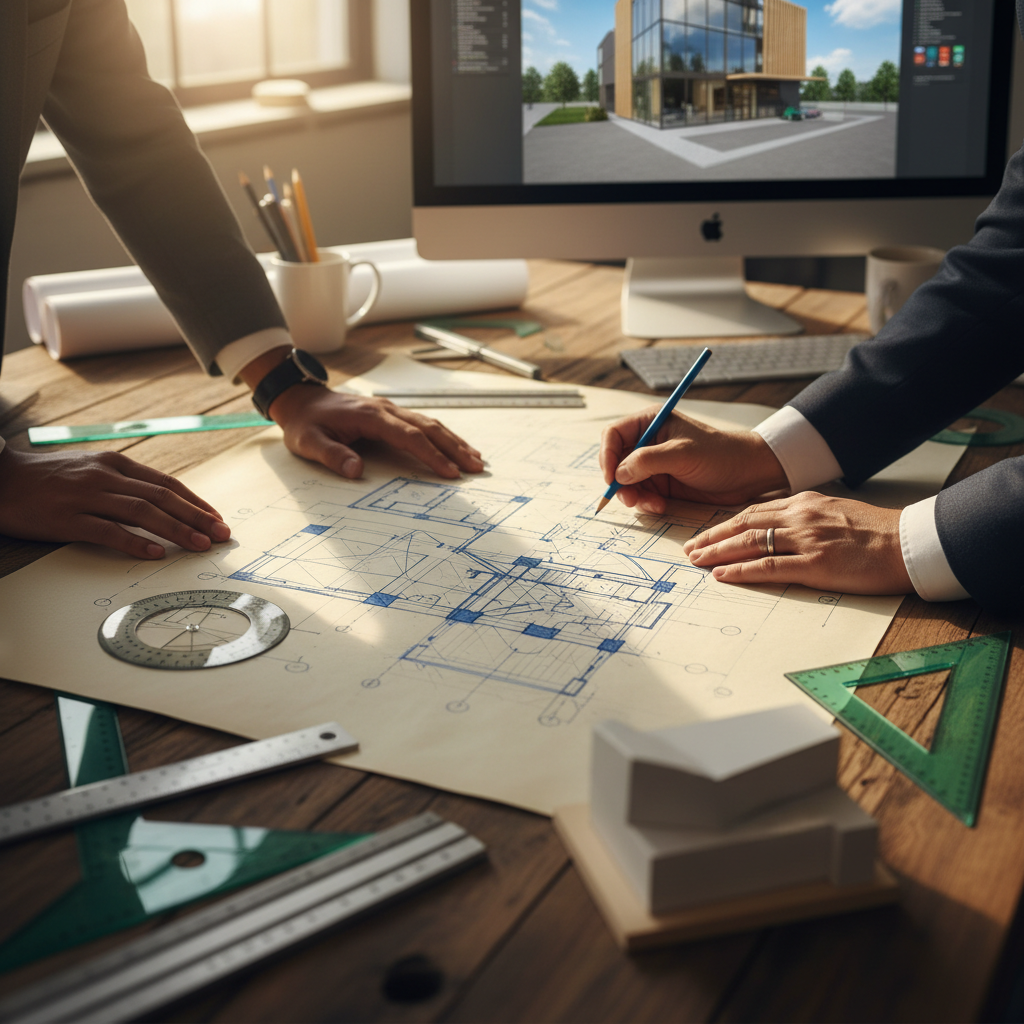
Myth 3: Old Buildings Are Inefficient
Many assume that older buildings are inherently inefficient compared to their modern counterparts. However, with the right upgrades, such as improved insulation and energy-efficient systems, historical buildings can perform on par with new constructions. Effective conservation practices can enhance energy efficiency without compromising character.
Myth 4: Conservation Is Only for Historical Significance
Some believe that conservation is reserved solely for buildings with historical significance. While preserving history is a key aspect, conservation also applies to structures with architectural, cultural, or social importance. This broad perspective ensures a diverse range of buildings is protected for future generations.

Myth 5: Any Contractor Can Handle Conservation
It's a common belief that any contractor can manage conservation projects. However, conservation requires specialized knowledge and skills. Working with experts who understand the intricacies of historical materials and techniques ensures the integrity and authenticity of the building are maintained.
In conclusion, debunking these myths opens the door to appreciating the true value of building conservation. By embracing these practices, we not only preserve our past but also enhance the sustainability and beauty of our built environment for the future.