Comprehensive Guide to Property Sustainability Solutions for Commercial Buildings


In today’s world, sustainability is not just a buzzword but a vital aspect of property management, especially for commercial buildings. Implementing property sustainability solutions can significantly reduce environmental impact while enhancing the financial performance of a building. This guide will explore various strategies and technologies that can be employed to achieve greater sustainability in commercial properties.
Understanding Energy Efficiency
Energy efficiency is at the heart of sustainable property management. Commercial buildings consume a substantial amount of energy, making it crucial to identify areas for improvement. Implementing energy-efficient lighting, such as LED bulbs, can drastically reduce energy consumption. Additionally, investing in smart thermostats and automated systems can optimize heating, ventilation, and air conditioning (HVAC), further minimizing energy use.
Another effective strategy is to conduct regular energy audits. These audits help identify inefficiencies and provide actionable insights to improve energy performance. Upgrading insulation, sealing leaks, and maintaining equipment also contribute to a more energy-efficient building.

Water Conservation Techniques
Water conservation is essential for sustainable commercial properties. Implementing low-flow fixtures and efficient irrigation systems can significantly reduce water usage. Rainwater harvesting systems are another innovative solution, capturing rainwater for non-potable uses such as landscaping and toilet flushing.
Monitoring water usage through advanced metering systems allows property managers to detect leaks and track consumption patterns. These insights are invaluable in developing targeted strategies for water conservation, ultimately reducing costs and environmental impact.

Waste Management Strategies
Effective waste management is a critical component of property sustainability. Implementing comprehensive recycling programs and encouraging tenants to participate can drastically reduce waste sent to landfills. Composting organic waste is another effective method to minimize environmental impact.
Additionally, engaging with waste management services that prioritize recycling and sustainable disposal methods ensures that waste is handled responsibly. Creating awareness campaigns within the commercial building can further enhance participation and commitment to waste reduction goals.
Embracing Renewable Energy
Incorporating renewable energy sources is a powerful way to boost sustainability. Installing solar panels can provide a significant portion of a building’s energy needs, reducing reliance on fossil fuels. Wind turbines, though less common in urban settings, can also be considered where feasible.
Power purchase agreements and community solar programs offer alternatives for properties unable to install renewable energy systems on-site. These options allow buildings to benefit from renewable energy without the initial investment, making sustainability more accessible.

Enhancing Indoor Environmental Quality
Improving indoor environmental quality (IEQ) is essential for occupant health and comfort. Sustainable materials, such as low-VOC paints and finishes, contribute to better air quality. Regular maintenance of HVAC systems ensures that air circulation remains optimal.
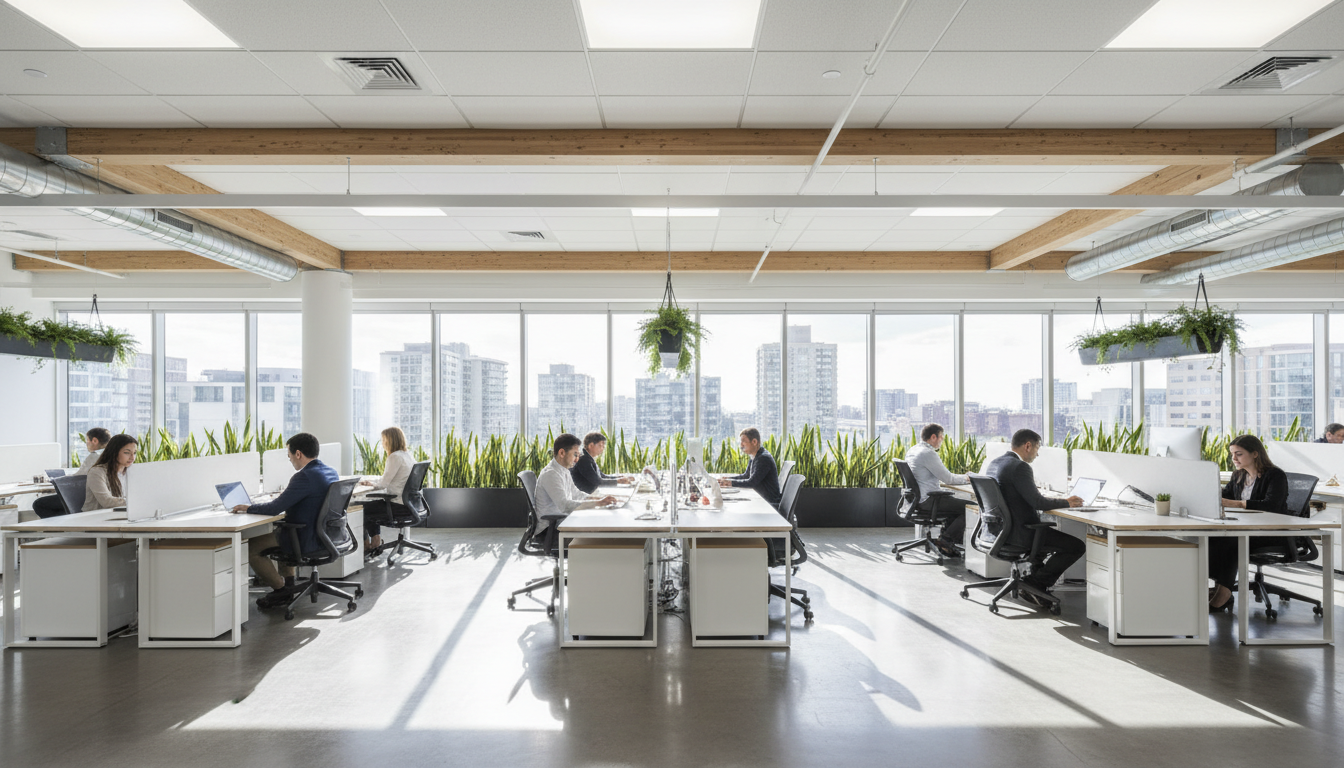
Incorporating biophilic design elements, such as indoor plants and natural lighting, can also enhance the indoor environment. These features not only improve air quality but also increase occupant well-being and productivity.

Conclusion
Adopting property sustainability solutions in commercial buildings is not just environmentally responsible but also financially rewarding. By focusing on energy efficiency, water conservation, waste management, renewable energy, and indoor environmental quality, commercial properties can significantly reduce their environmental footprint while enhancing value and appeal. As technology advances, the opportunity to implement innovative sustainability solutions continues to grow, paving the way for a greener future.