Comprehensive Guide to Preserving Commercial Buildings: Best Practices and Tips


Understanding the Importance of Preservation
Preserving commercial buildings is essential for maintaining the architectural heritage and cultural significance of urban landscapes. These structures often embody historical values and contribute to a community's identity. By implementing effective preservation practices, property owners can ensure that these landmarks continue to serve functional purposes while retaining their historical essence.
Preservation not only honors history but also offers economic benefits. Restored buildings can attract businesses, tourists, and locals, stimulating economic growth. Moreover, investing in preservation can increase property values and reduce environmental impact by minimizing the need for new construction.
Conducting a Thorough Assessment
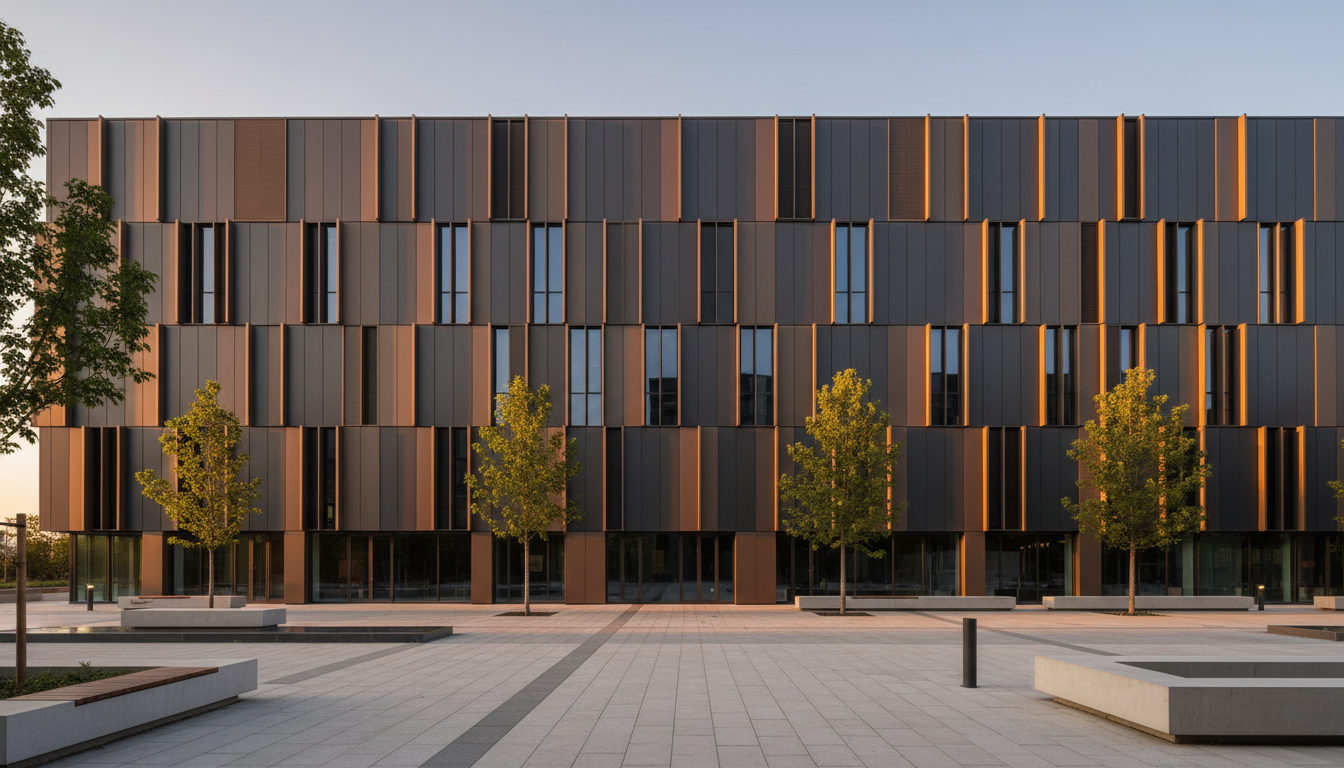
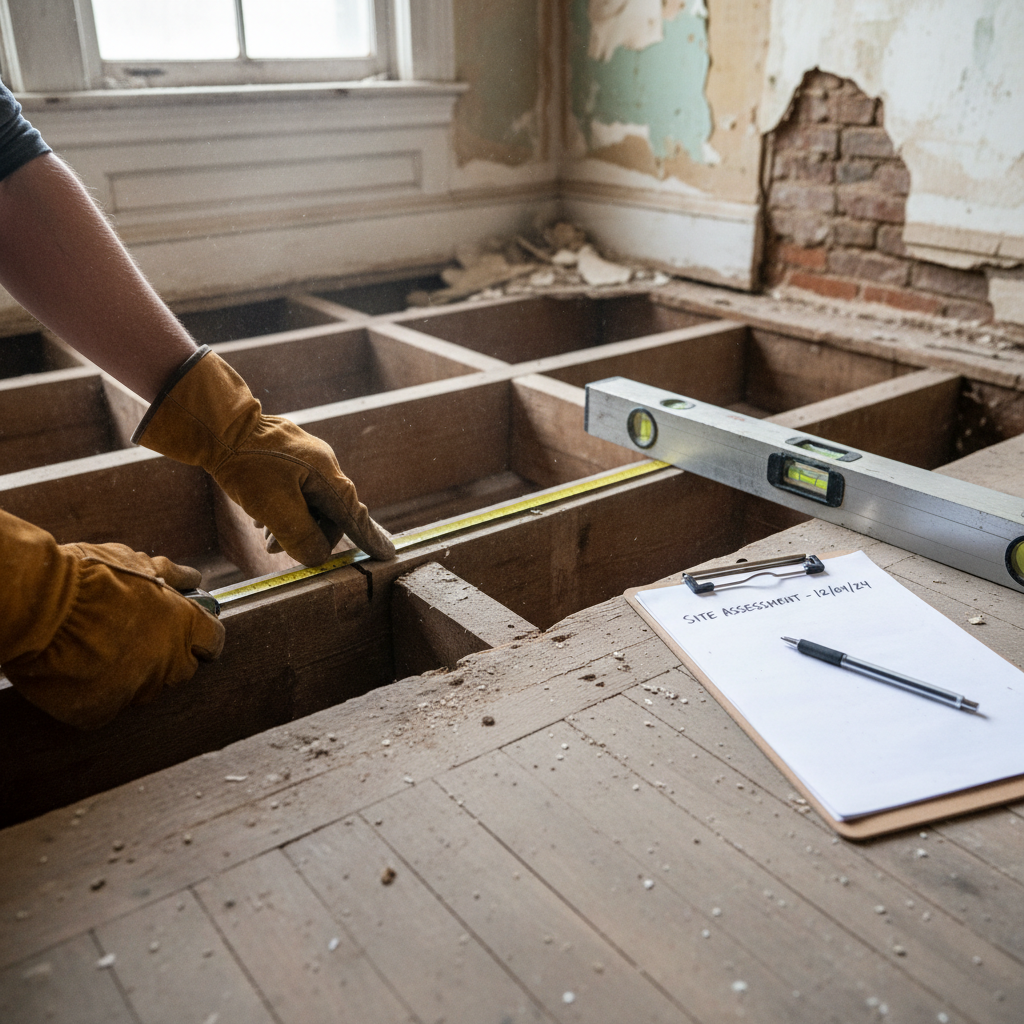
Before embarking on preservation efforts, conducting a comprehensive assessment is crucial. This involves evaluating the building's structural integrity, historical significance, and current condition. Engaging professionals such as architects, historians, and engineers can provide valuable insights into the building's needs.
Assessments should cover various aspects, including:
- Structural Analysis: Identifying any damage or weaknesses in the building's framework.
- Material Evaluation: Examining the condition of materials like brick, wood, and stone.
- Historical Research: Understanding the building's history and original design intentions.
Implementing Best Preservation Practices
Once a thorough assessment is completed, implementing best practices is the next step. These practices ensure that the building is preserved effectively while maintaining its original charm. Key strategies include:
- Regular Maintenance: Routine inspections and maintenance prevent minor issues from becoming major problems.
- Use of Authentic Materials: Whenever possible, use materials that match the original construction to preserve authenticity.
- Environmental Controls: Installing climate control systems can protect against temperature and humidity fluctuations that may damage the structure.

Incorporating Modern Technologies
Modern technologies play a significant role in preserving commercial buildings. From advanced imaging techniques to digital modeling, these tools provide a deeper understanding of the building’s condition and help in planning restoration processes more effectively.
Some effective technologies include:
- Laser Scanning: Captures precise measurements and creates detailed 3D models.
- Building Information Modeling (BIM): Helps in managing preservation projects by providing comprehensive data about the building's components.
Engaging the Community
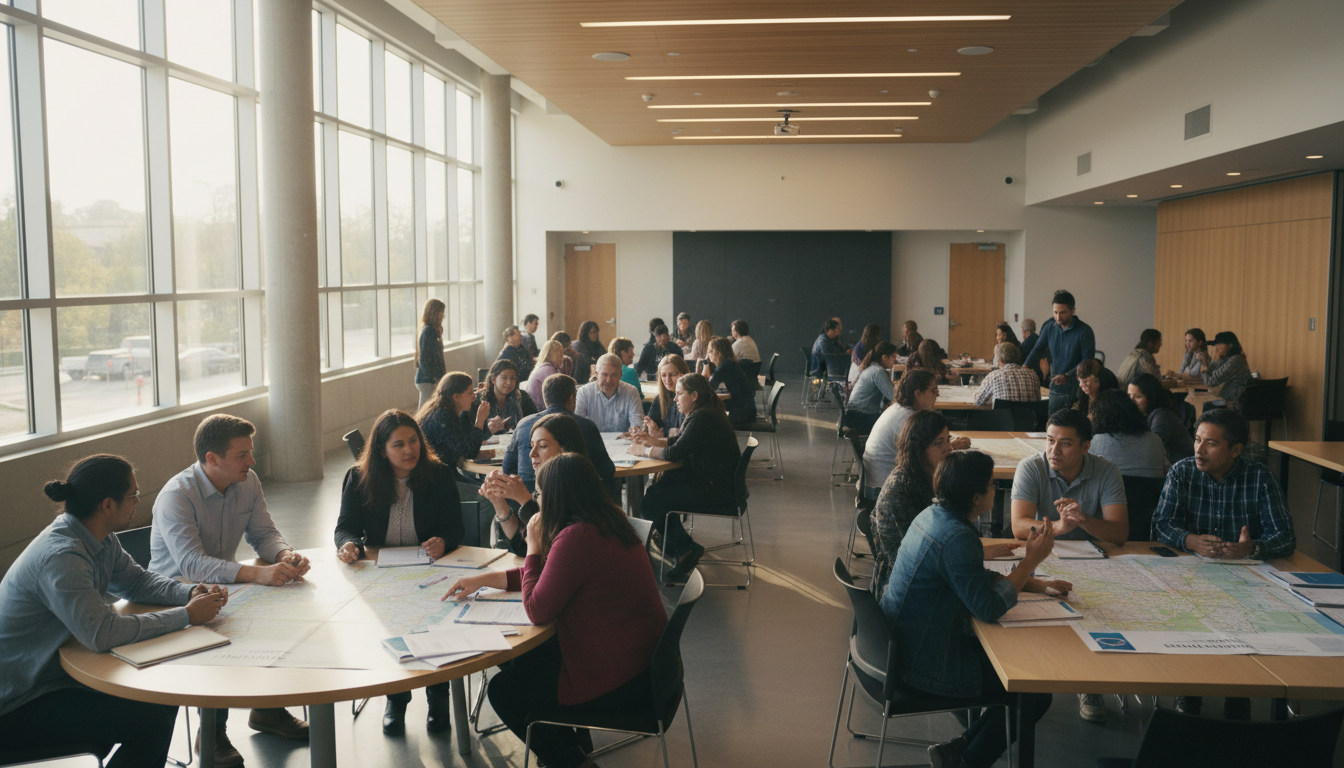
Community engagement is a vital aspect of successful building preservation. Involving local residents and stakeholders not only fosters a sense of ownership but also ensures that the preservation efforts align with community values and needs.
Organizing workshops, informational sessions, and open houses can raise awareness and encourage community participation. Additionally, collaborating with local organizations can provide additional resources and support for preservation projects.
Securing Funding and Support
Preserving commercial buildings often requires significant financial investment. Securing funding and support from various sources can alleviate financial burdens. Explore grants, tax incentives, and partnerships with preservation societies to obtain the necessary resources.
Governments and non-profit organizations frequently offer financial assistance programs designed to support historic preservation. Conducting thorough research and applying for these opportunities can significantly aid in funding preservation efforts.

Conclusion
Preserving commercial buildings is a multifaceted process that requires careful planning, community involvement, and financial investment. By following best practices and utilizing modern technologies, property owners can maintain the historical and functional value of these structures. Emphasizing preservation not only safeguards our architectural heritage but also promotes economic and cultural vitality within communities.