Comprehensive Guide to Historic Building Maintenance: Preserving the Past


Understanding the Importance of Historic Building Maintenance
Historic buildings are treasures that connect us to our past, offering glimpses into architectural styles and cultural narratives. Maintaining these structures is crucial to preserving their historical value and ensuring their longevity. Proper maintenance involves a delicate balance between conservation and restoration, requiring a deep understanding of the building’s original materials and construction techniques.
Regular maintenance not only helps in retaining the building’s aesthetic and historical significance but also prevents costly repairs. By addressing minor issues early, we can avoid major structural problems that might compromise the building’s integrity.
Conducting a Thorough Assessment
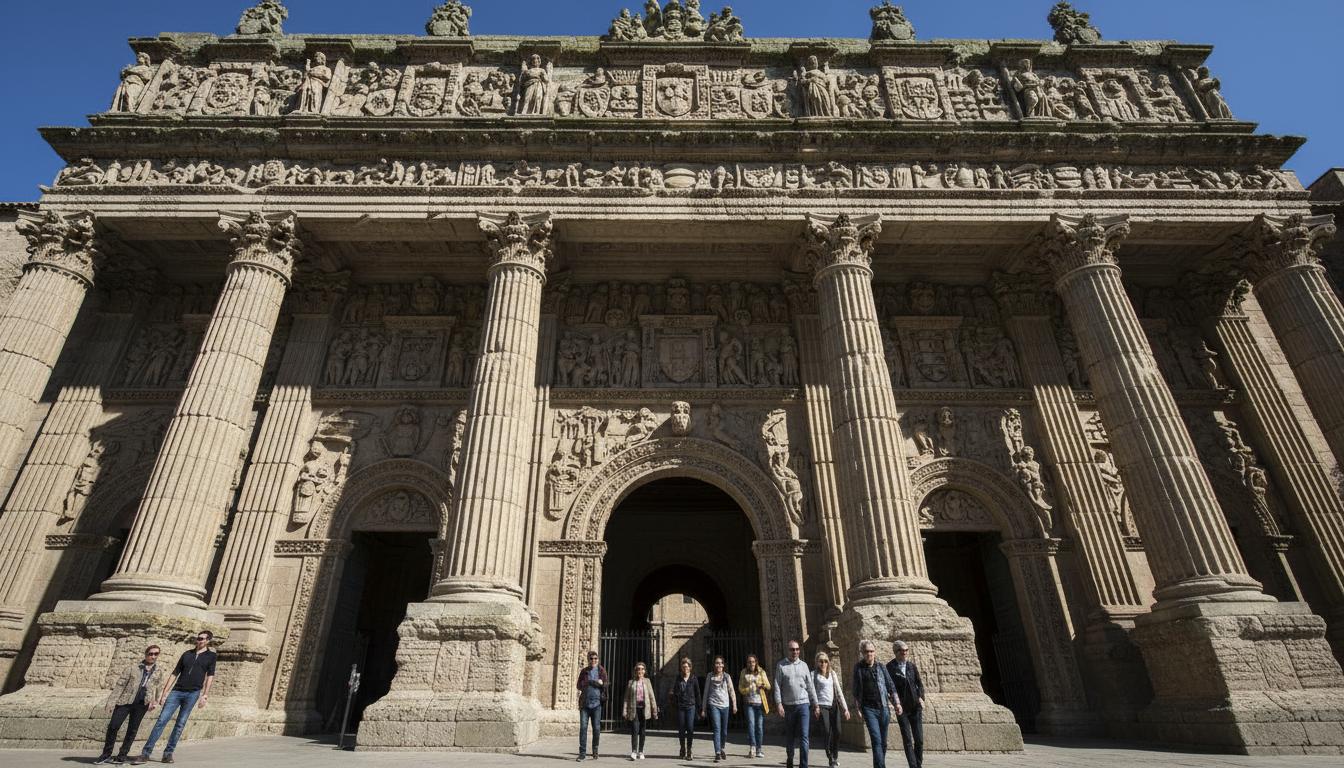
Before undertaking any maintenance work, a comprehensive assessment of the building's current condition is necessary. This involves identifying any existing damage, potential threats, and areas that require immediate attention. Professionals skilled in historic preservation can evaluate the structure’s needs, ensuring that the maintenance plan aligns with the building’s historical context.
The assessment should include detailed documentation of the building, including photographs, sketches, and notes on materials and construction methods. This documentation serves as a baseline for future maintenance and restoration efforts.
Identifying Common Issues
Historic buildings often face issues such as moisture infiltration, structural weaknesses, and material degradation. Moisture is particularly detrimental, as it can lead to mold growth, wood rot, and corrosion of metal elements. Identifying these problems early is crucial for effective maintenance.
Choosing the Right Materials
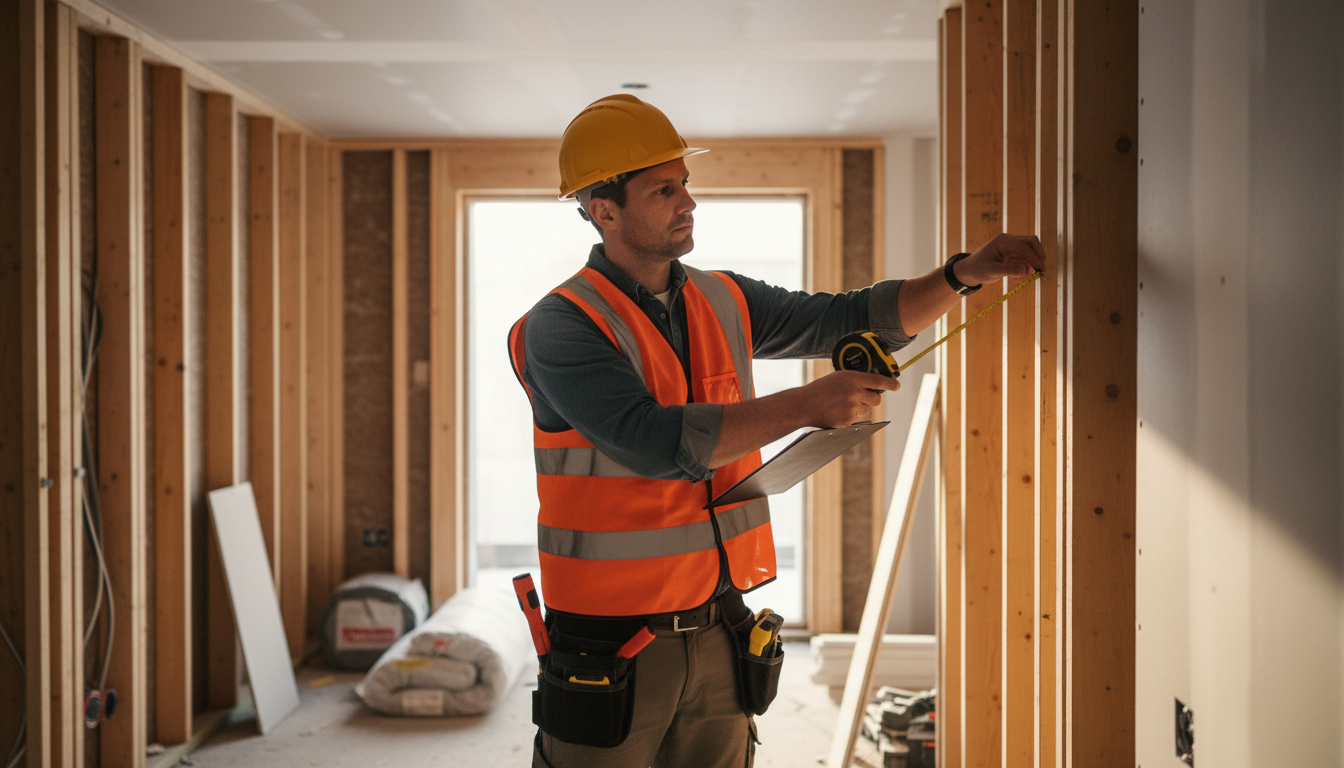
Using appropriate materials is vital when maintaining historic buildings. The goal is to match the original materials as closely as possible to preserve the building’s authenticity. This may involve sourcing traditional materials or employing modern equivalents that mimic the original’s properties.
Working with professionals who specialize in historic materials can ensure that replacements are sympathetic to the original structure. This careful selection process helps maintain the building’s historical integrity while enhancing its durability.
Techniques for Preservation and Restoration
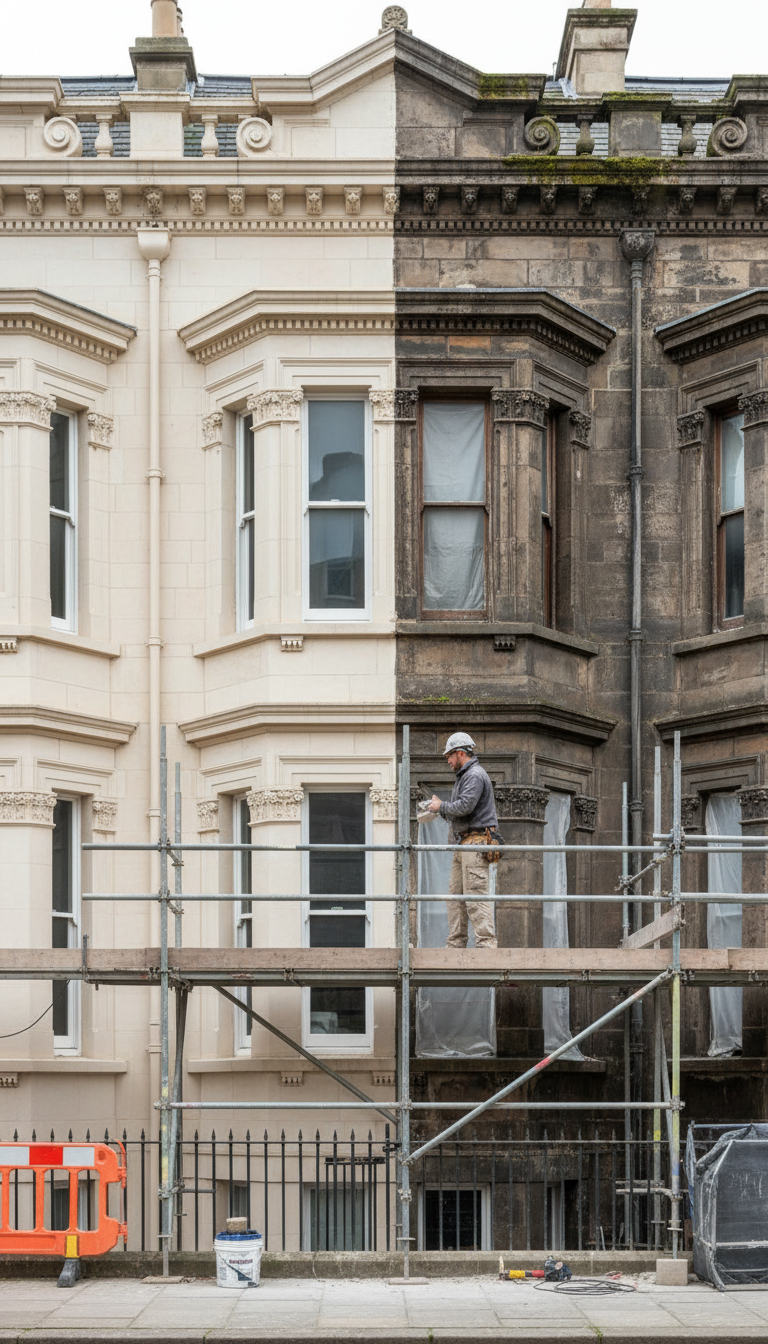
Preservation and restoration techniques vary depending on the building’s specific needs. Common methods include cleaning, repairing, and reinforcing existing structures. For instance, repointing brickwork, treating timber, and applying protective coatings can significantly extend a building's lifespan.
Implementing a Maintenance Plan
An effective maintenance plan is proactive, addressing potential issues before they become critical. It should outline regular inspection schedules, routine cleaning, and specific repair tasks. Engaging a team of experts who understand the unique challenges of historic buildings ensures that maintenance efforts are both effective and respectful of the building’s heritage.
Continuous education and training for those involved in maintaining historic buildings are also essential. This ensures that everyone is equipped with the latest knowledge and techniques to handle the delicate nature of historic preservation.
Community Involvement and Support
Preserving historic buildings is a collaborative effort that often involves the local community. Public awareness and support can significantly enhance preservation efforts. Community involvement can range from fundraising and volunteering to advocating for policies that protect historic landmarks.
By fostering a sense of pride and ownership, communities can play a vital role in preserving their architectural heritage for future generations to enjoy.