Comprehensive Guide to Commercial Building Preservation


Understanding Commercial Building Preservation
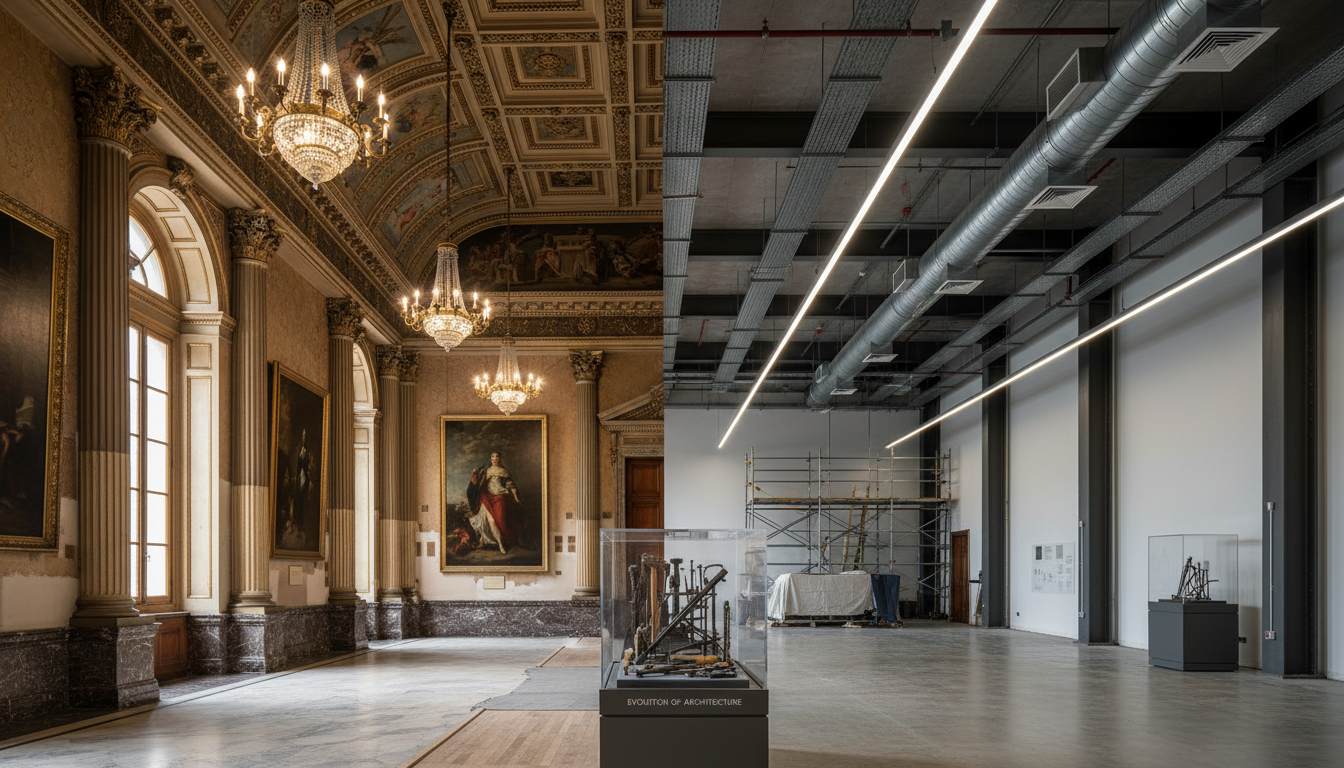
Preserving a commercial building involves more than just maintaining its appearance. It requires a comprehensive approach that ensures the structural integrity, functionality, and historical value of the property. Proper preservation can enhance the longevity of a building and maintain its value over time.
Importance of Regular Inspections
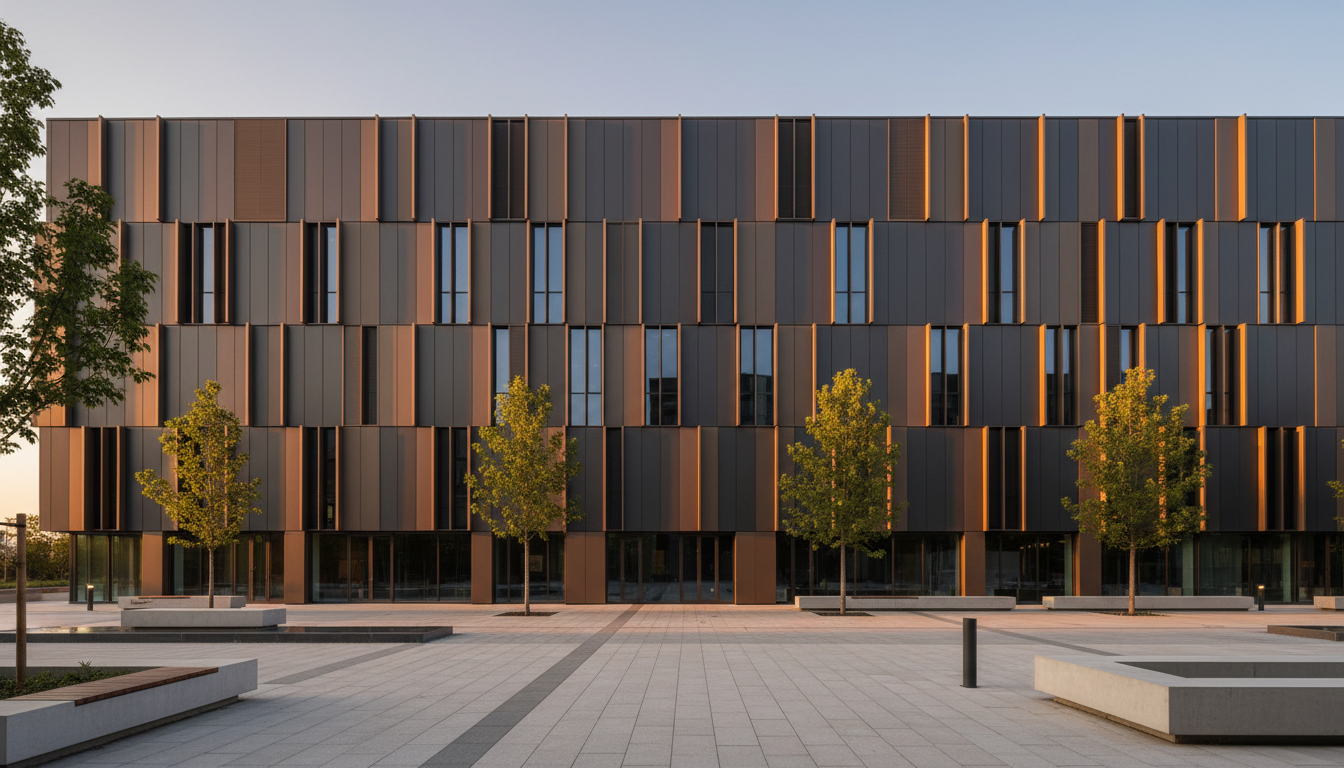
Regular inspections are crucial in identifying potential issues before they escalate into costly repairs. It is advisable to conduct annual inspections to evaluate the condition of the building's roofing, plumbing, electrical systems, and structural components. Regular assessments help in planning necessary maintenance and avoiding unexpected expenses.
Common Areas to Inspect
When inspecting a commercial building, focus on:
- Roofing and drainage systems
- Foundation and structural integrity
- Electrical and plumbing systems
- Exterior and interior finishes
Implementing Preventive Maintenance
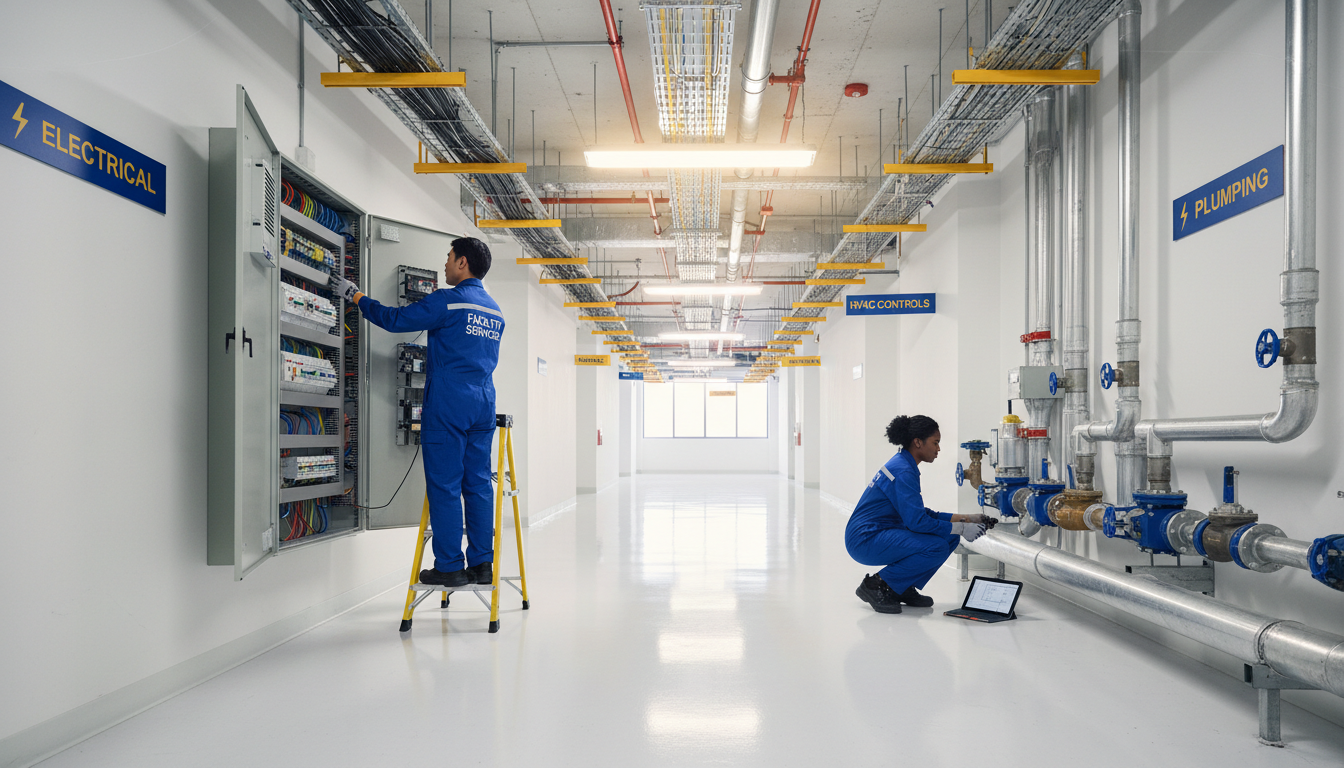
Preventive maintenance is a proactive approach to building preservation. By routinely servicing equipment and facilities, you can prevent deterioration. This includes tasks such as cleaning gutters, servicing HVAC systems, and sealing windows and doors to prevent energy loss.
Benefits of Preventive Maintenance
Some key benefits include:
- Cost savings by reducing the need for major repairs
- Enhanced safety and compliance with regulations
- Increased property value and tenant satisfaction
Restoration and Renovation
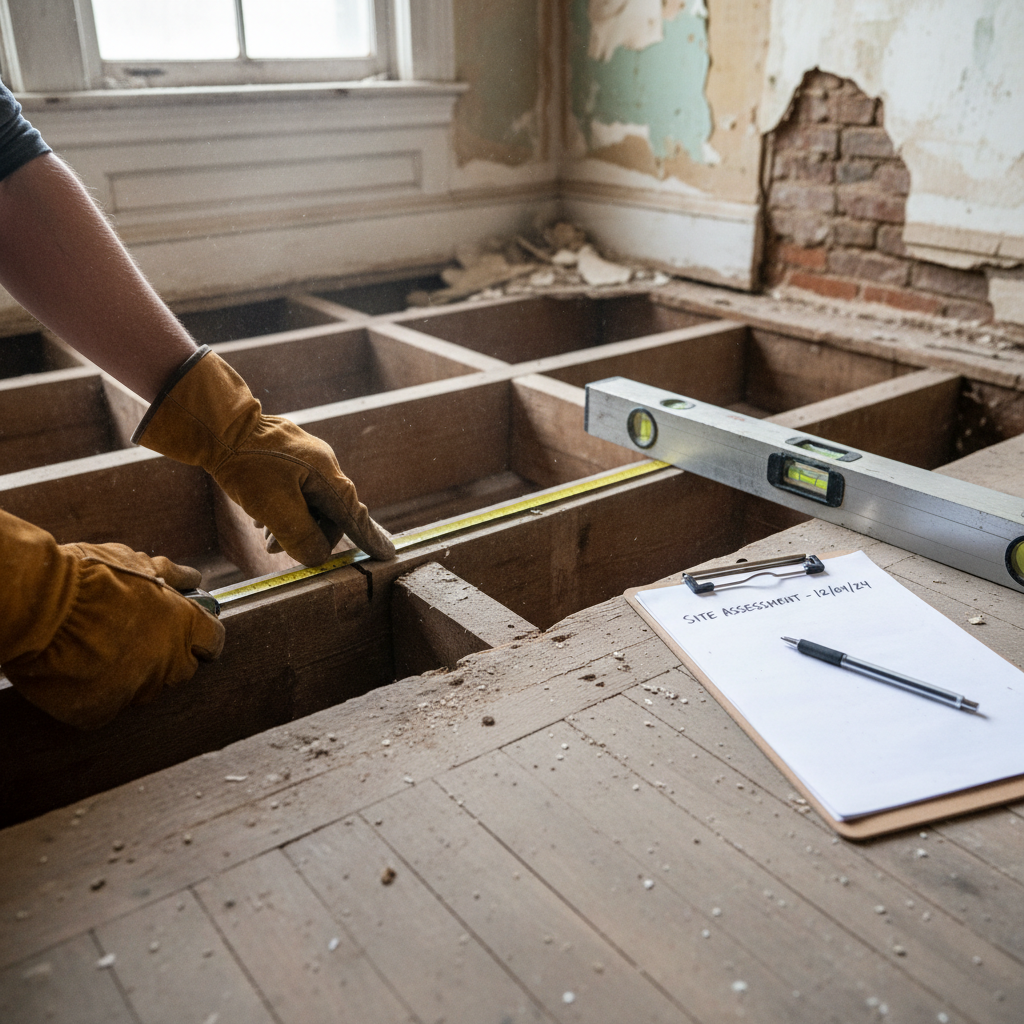
Restoration and renovation are essential when preserving older buildings with historical significance. While restoration focuses on returning a building to its original state, renovation involves updating certain aspects to meet modern standards while preserving historical elements.
Choosing the Right Professionals
Working with experienced professionals is vital for successful restoration and renovation projects. Architects, engineers, and contractors specializing in historic buildings can ensure that preservation efforts are both effective and respectful of the building’s heritage.
Environmental Considerations
Sustainable practices should be integrated into the preservation process. This includes using eco-friendly materials, improving energy efficiency, and incorporating green technologies. Such practices not only help the environment but also reduce operational costs.
Implementing Green Solutions
Consider the following green solutions:
- Installing solar panels
- Using energy-efficient lighting and HVAC systems
- Recycling building materials during renovations
Conclusion
Comprehensive commercial building preservation is a multifaceted process that requires a balance between maintaining historical integrity and integrating modern amenities. By prioritizing regular inspections, preventive maintenance, and sustainable practices, property owners can ensure their buildings remain safe, functional, and valuable for years to come.