Case Study: Successful Preservation of a Historic Commercial Building


Introduction to Historic Preservation
Preserving historic buildings is crucial for maintaining the cultural and architectural heritage of a community. These structures provide a tangible link to the past and offer unique character that modern architecture often lacks. The preservation process, however, can be challenging, requiring expertise in architecture, engineering, and history.
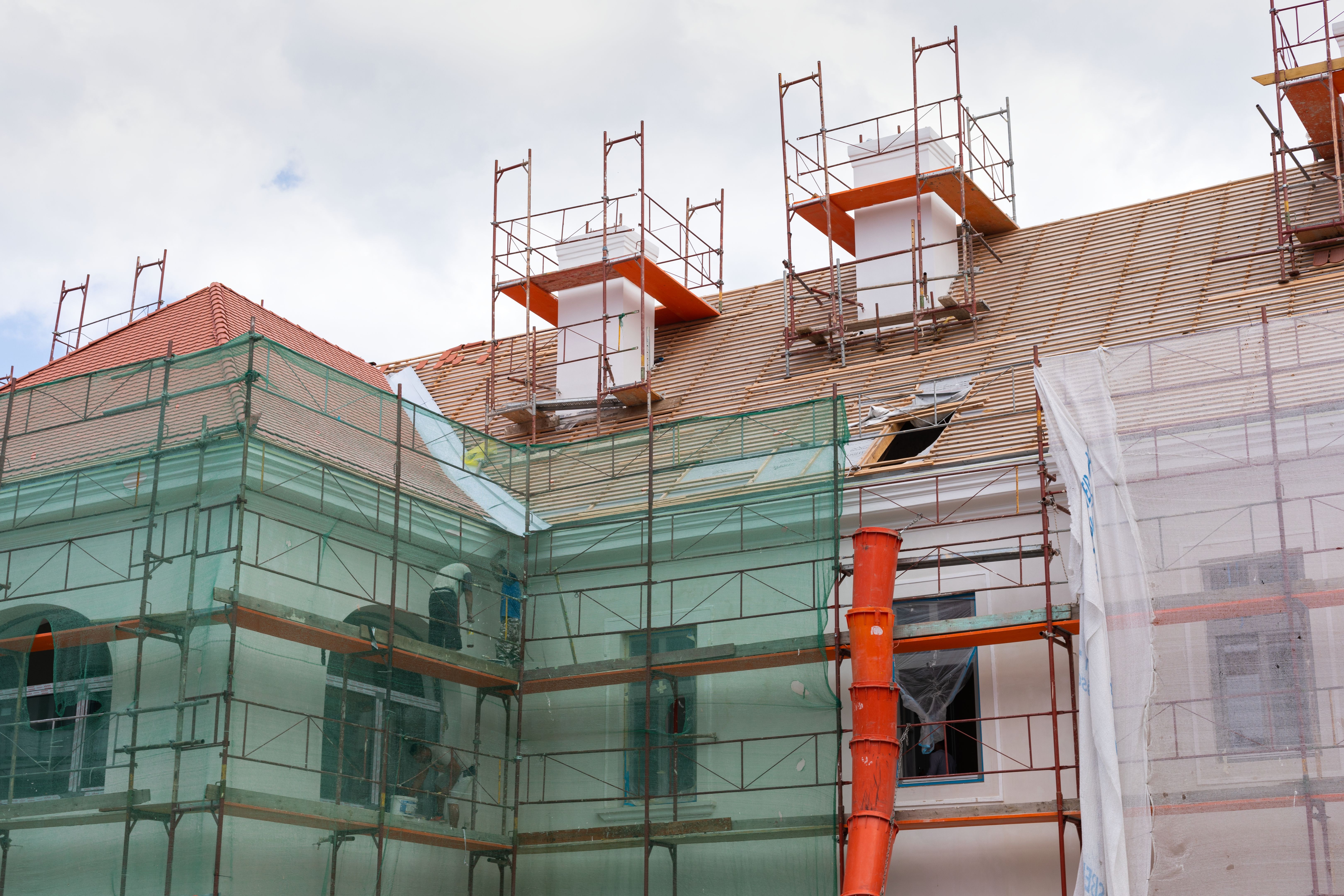
The Importance of Commercial Buildings
Commercial buildings hold significant historical value as they often reflect the economic and social history of a region. Successfully preserving a historic commercial building not only saves it from demolition but also revitalizes the community and boosts local economy.
Challenges in Preservation
Preserving historic commercial buildings presents various challenges. These structures may suffer from structural weaknesses, outdated facilities, and a lack of modern safety features. Balancing the need for modernization while maintaining historical integrity requires careful planning and execution.
Case Study Overview
This case study focuses on the successful preservation of a historic commercial building in a bustling downtown area. The project involved collaboration between architects, historians, and local government to ensure both the preservation of historical elements and the integration of modern amenities.

Planning and Collaboration
Effective planning was crucial in this project. The team conducted thorough research to understand the building's history and architecture. Collaboration with local historians ensured that critical historical elements were preserved. Additionally, engaging with the community fostered support and enthusiasm for the project.
Implementation of Modern Features
Incorporating modern features was essential for the building's functionality and safety. The team installed energy-efficient systems, upgraded the plumbing and electrical wiring, and added modern fire safety measures. These updates were carefully integrated to maintain the building's historical charm.

Benefits of Successful Preservation
The successful preservation of this commercial building has brought numerous benefits to the community. It has attracted new businesses, increased tourism, and boosted local pride. The project has also served as a model for future preservation efforts, demonstrating that historic buildings can be both functional and beautiful.
Community Impact
The revitalization of this historic building has had a positive ripple effect throughout the community. Local businesses have seen increased foot traffic, and the building has become a popular venue for events. This case study highlights the economic and social benefits of preserving our architectural heritage.
Conclusion
Preserving historic commercial buildings is a complex but rewarding endeavor. This case study showcases the importance of collaboration, careful planning, and community involvement. By maintaining our architectural history, we not only honor the past but also enrich the future.