Case Study: Successful Preservation of a Historic Commercial Building


Introduction to the Project
Preserving historic commercial buildings is a delicate balance of honoring the past while meeting modern needs. This case study explores the successful preservation of a landmark building that has stood as a testament to its era while adapting to contemporary requirements.
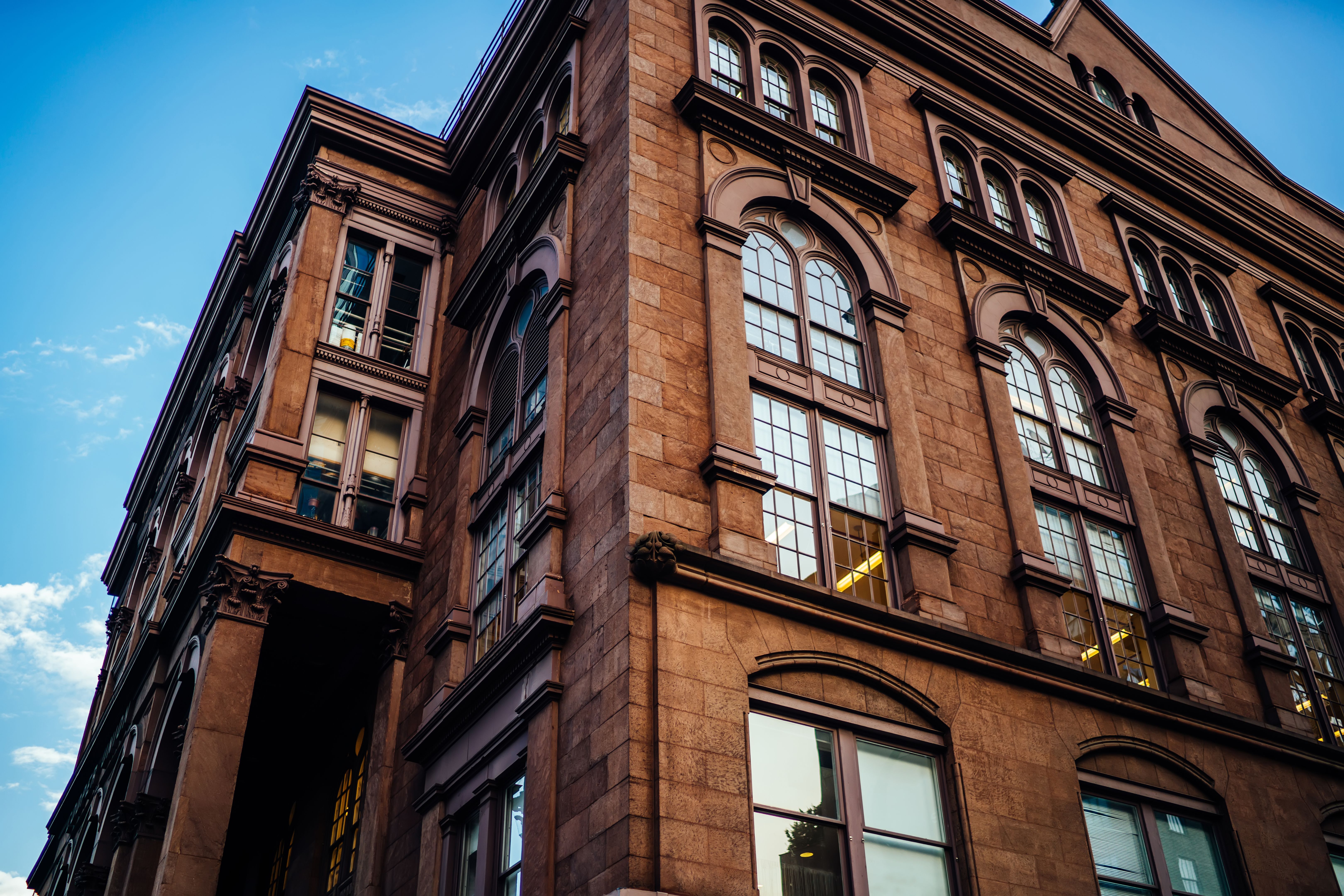
The building in question was constructed in the early 20th century and served various commercial purposes over the decades. With its unique architectural details and storied history, the challenge was to maintain its character while ensuring functionality for new tenants.
Challenges Faced During Preservation
Preservation efforts often face myriad challenges, and this project was no exception. Among the primary concerns were the building's structural integrity, compliance with current safety standards, and the integration of modern amenities without compromising historical elements.
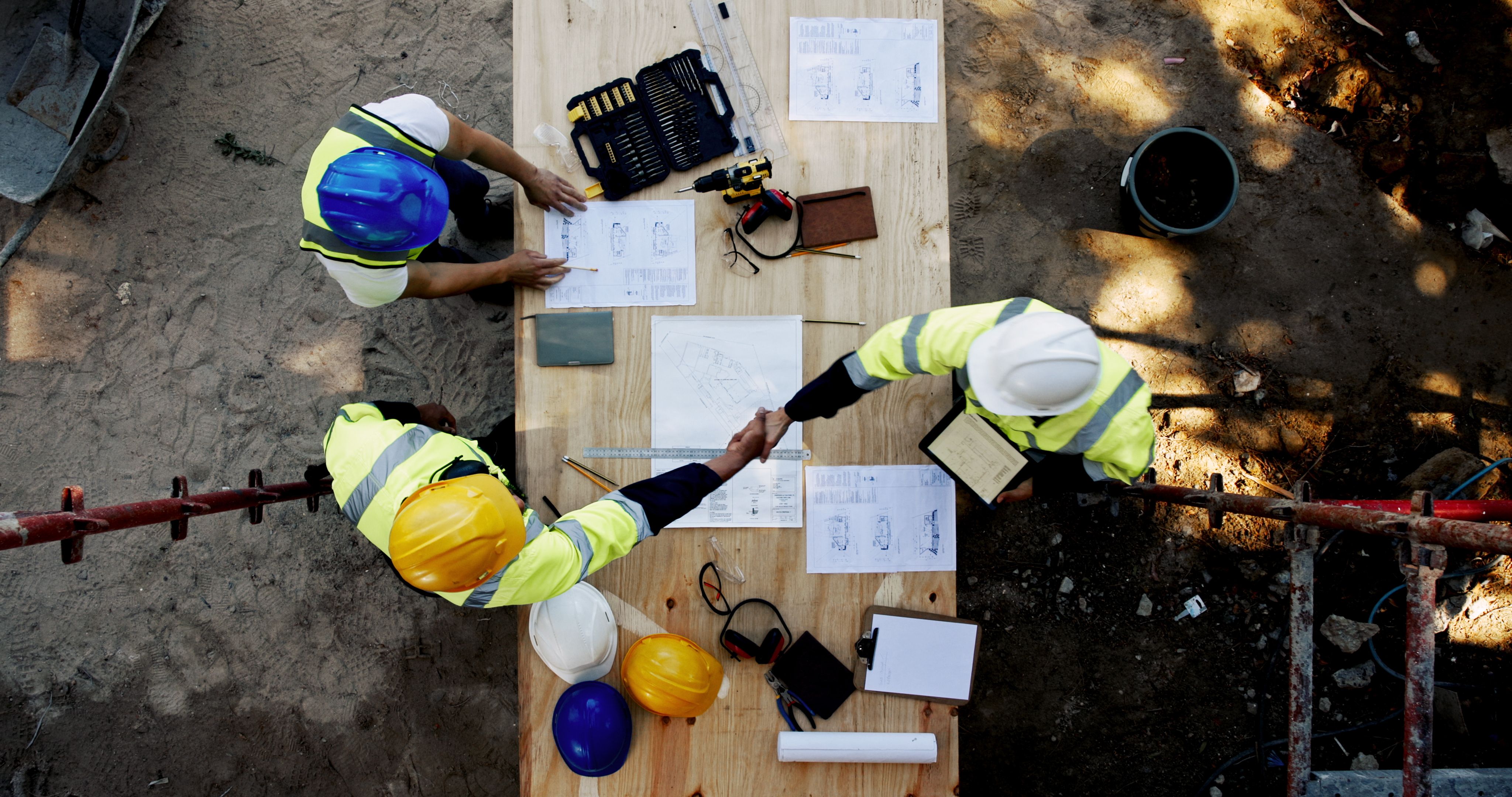
The preservation team worked closely with architects, historians, and engineers to develop a comprehensive plan. One of the notable challenges was updating the electrical and plumbing systems, which were outdated and no longer met code requirements.
Innovative Solutions Implemented
The project team employed several innovative solutions to address these challenges. For instance, they used non-invasive techniques to retrofit the building with modern systems. This approach ensured that the original structure remained intact and preserved its historical integrity.
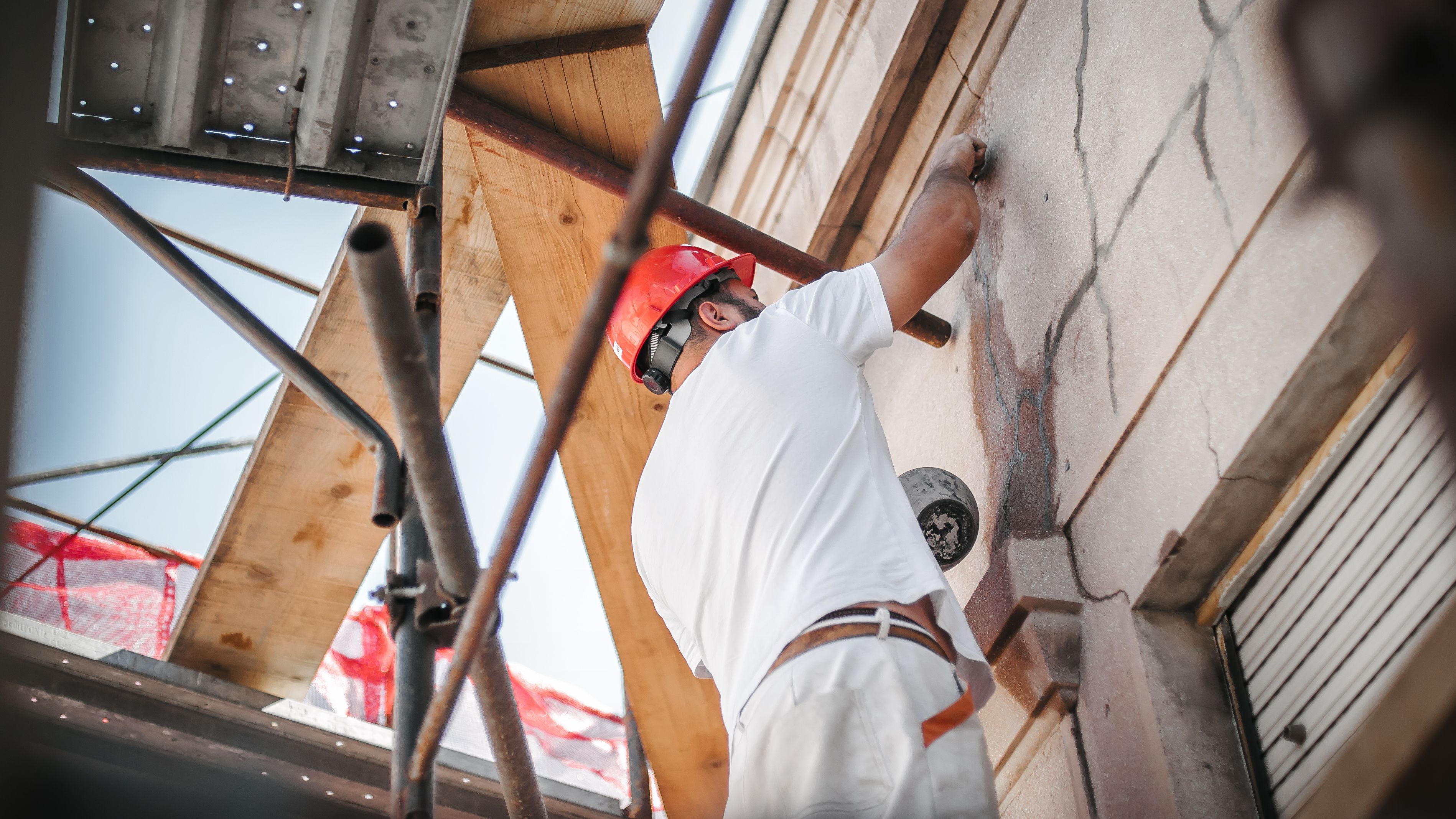
Additionally, the team collaborated with local artisans to restore and replicate damaged architectural details. This not only preserved the building's aesthetic but also supported local craftsmanship and expertise.
Community Involvement and Impact
Community involvement played a crucial role in the project’s success. The preservation team organized workshops and public discussions to gather input and foster a sense of ownership among local residents. This engagement ensured that the project aligned with community values and expectations.
The revitalized building now serves as a hub for local businesses and events, bringing economic growth and revitalization to the area. The project has also sparked interest in preserving other historic structures, creating a ripple effect throughout the community.
Lessons Learned
Several lessons emerged from this project, offering valuable insights for future preservation efforts. One key takeaway is the importance of collaborative planning and involving diverse stakeholders from the outset. This ensures that all perspectives are considered and fosters a more inclusive approach.
Another lesson is the necessity of balancing historical accuracy with modern needs. Successful preservation requires creative solutions that respect the past while embracing the future.

Conclusion
The successful preservation of this historic commercial building demonstrates the power of thoughtful planning, innovative solutions, and community involvement. By respecting its storied past and adapting to modern demands, the building stands as a beacon of cultural heritage and progress.
As more communities recognize the value of preserving their architectural treasures, projects like this set a precedent for how history and modernity can coexist harmoniously.