Case Study: Successful Preservation of a Historic Commercial Building


Introduction
The preservation of historic buildings is a testament to our commitment to preserving cultural heritage while adapting to modern needs. This case study explores the successful restoration of a historic commercial building, demonstrating how thoughtful renovation can breathe new life into these architectural treasures.
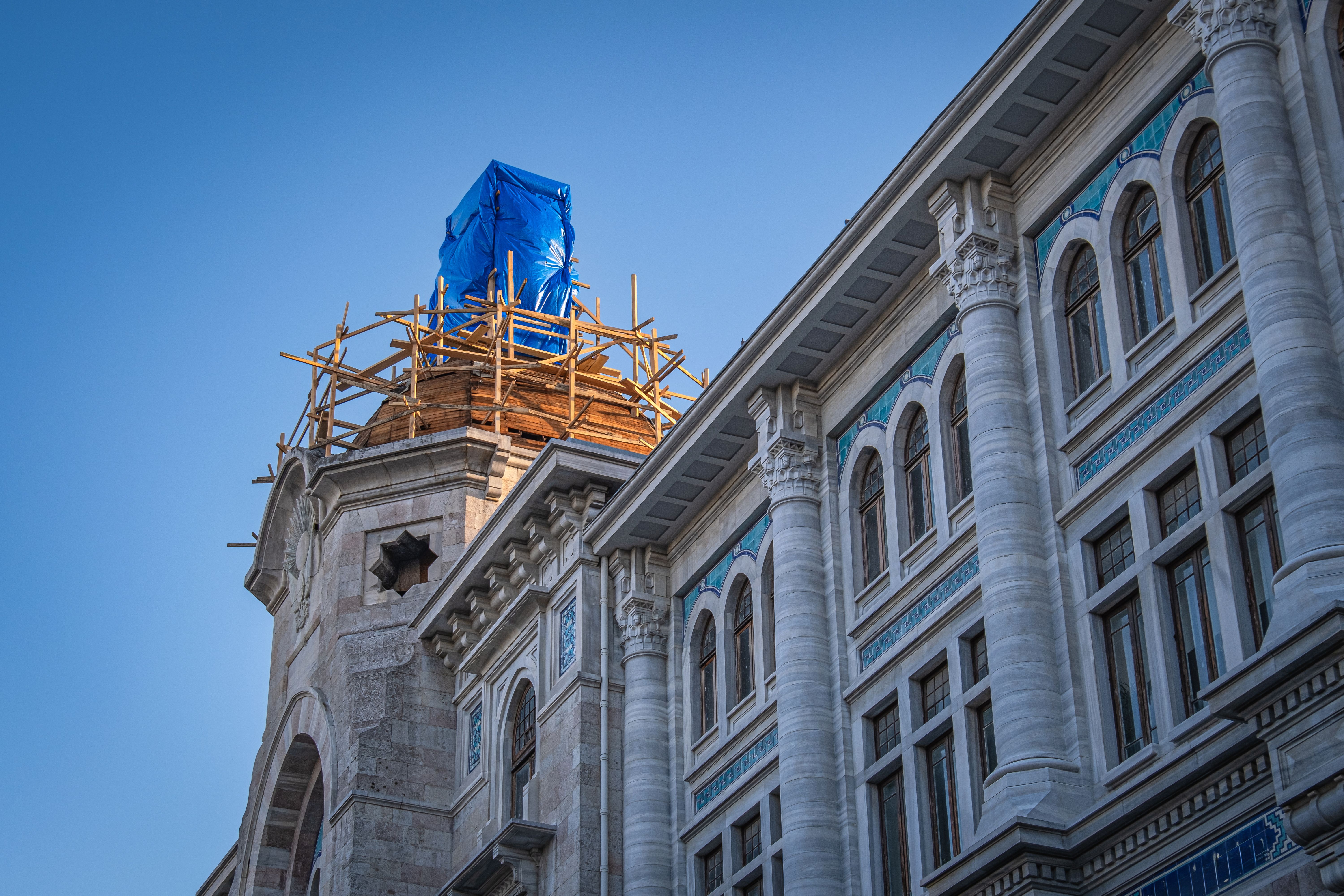
Background of the Building
Located in the heart of the city, the building was originally constructed in the late 19th century. It served as a bustling hub for commerce, witnessing the evolution of the local economy. However, by the turn of the century, it had fallen into disrepair, requiring urgent attention to restore its former glory.
The building's architecture is a stunning example of Victorian design, featuring intricate facades and ornate detailing. These elements were key factors in its designation as a historic landmark, warranting careful preservation efforts.
The Restoration Process
The restoration project was spearheaded by a dedicated team of architects and preservationists who meticulously planned each step. Their goal was to maintain the building's historical integrity while incorporating modern amenities necessary for contemporary use.

The process began with a comprehensive assessment of the building's structure, identifying areas that needed reinforcement. This was followed by the delicate task of restoring the original facades, which involved cleaning, repairing, and replacing damaged elements.
Challenges Faced
One of the primary challenges was ensuring that modern updates did not overshadow the building's historical character. The team employed innovative techniques to integrate new technologies seamlessly, such as energy-efficient systems and modern safety features.
Another significant hurdle was sourcing materials that matched the original construction. This required extensive research and collaboration with local craftsmen skilled in traditional methods.

Community Involvement
The success of the project was also attributed to active community involvement. Local residents and businesses were engaged throughout the process, providing valuable insights and support. This collaboration fostered a sense of ownership and pride in the restored building.
Community workshops and tours were organized to educate the public about the building's historical significance and the importance of preservation efforts.
Conclusion and Impact
The restored building now stands as a vibrant centerpiece of the community, housing a variety of businesses and cultural spaces. Its successful preservation serves as a model for similar projects, showcasing the benefits of maintaining historical sites.
By combining modern functionality with historical integrity, this project highlights the potential for historic buildings to continue serving communities for generations to come.