Case Study: Successful Implementation of Facility Management Solutions


Introduction
In today's fast-paced business environment, effective facility management is crucial for operational success. This case study explores the successful implementation of facility management solutions in a mid-sized corporate office, demonstrating how strategic planning and technology integration can enhance efficiency and cost-effectiveness.

Company Background
The company in focus is a mid-sized tech firm with a workforce of approximately 500 employees. Prior to implementing the new facility management solutions, they faced challenges in space utilization, maintenance scheduling, and energy management. These issues often led to increased operational costs and reduced employee satisfaction.
Challenges Faced
The primary challenges included:
- Underutilized office spaces.
- Inefficient maintenance processes.
- High energy consumption.
- Poor data management for facilities.
Strategic Implementation
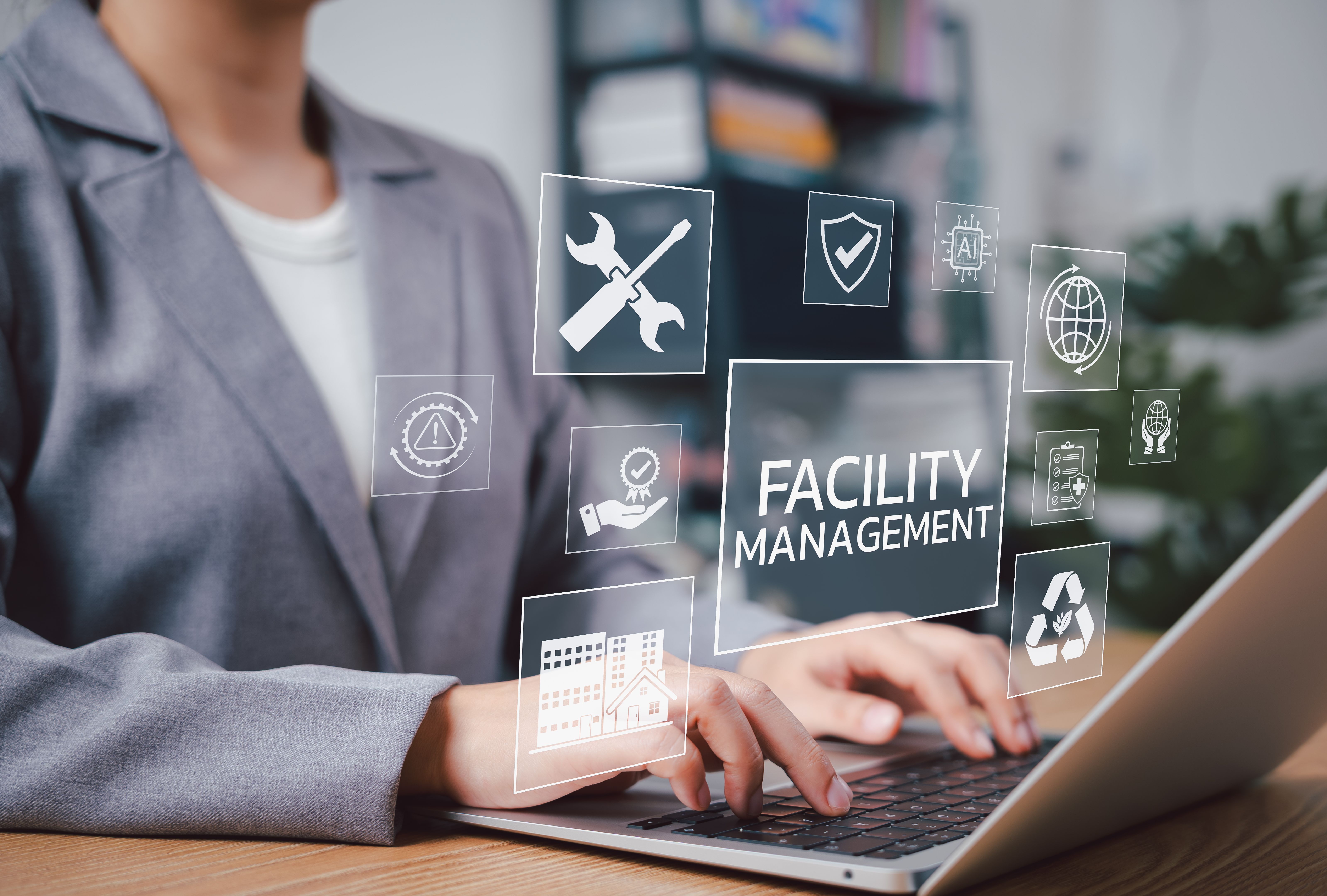
To tackle these challenges, the company partnered with a leading facility management solutions provider. The implementation process was divided into three phases: assessment, planning, and execution.
Assessment Phase
The assessment phase involved a comprehensive analysis of the current facility management practices. This included a detailed audit of space usage, maintenance schedules, and energy consumption patterns. The goal was to identify areas of improvement and potential cost savings.
Planning and Execution
During the planning phase, the company worked closely with the solutions provider to design a customized facility management plan. This plan incorporated advanced software tools for real-time monitoring and automation, ensuring proactive maintenance and energy efficiency. Execution involved the seamless integration of these tools into existing systems.

Results and Benefits
The implementation of facility management solutions resulted in significant improvements across various metrics. Key benefits included:
- Enhanced space utilization: Optimized office layouts led to better use of available space.
- Proactive maintenance: Automated scheduling reduced downtime and improved equipment lifespan.
- Energy savings: Smart energy management systems lowered overall consumption by 20%.
Employee Satisfaction
With a more organized and efficient facility, employee satisfaction increased significantly. The improved work environment contributed to higher productivity and morale, showcasing the broader value of effective facility management.
Conclusion
This case study highlights the transformative impact of implementing modern facility management solutions. By addressing challenges through strategic planning and technology, the company achieved operational excellence and cost savings. This approach serves as a model for other organizations aiming to enhance their facility management practices.