Case Study: Successful Historic Building Preservation Projects


Introduction to Historic Building Preservation
Preserving historic buildings is a vital part of maintaining cultural heritage and community identity. These projects not only protect architectural beauty but also offer economic and environmental benefits. Successful preservation projects often serve as inspiring examples for communities worldwide.
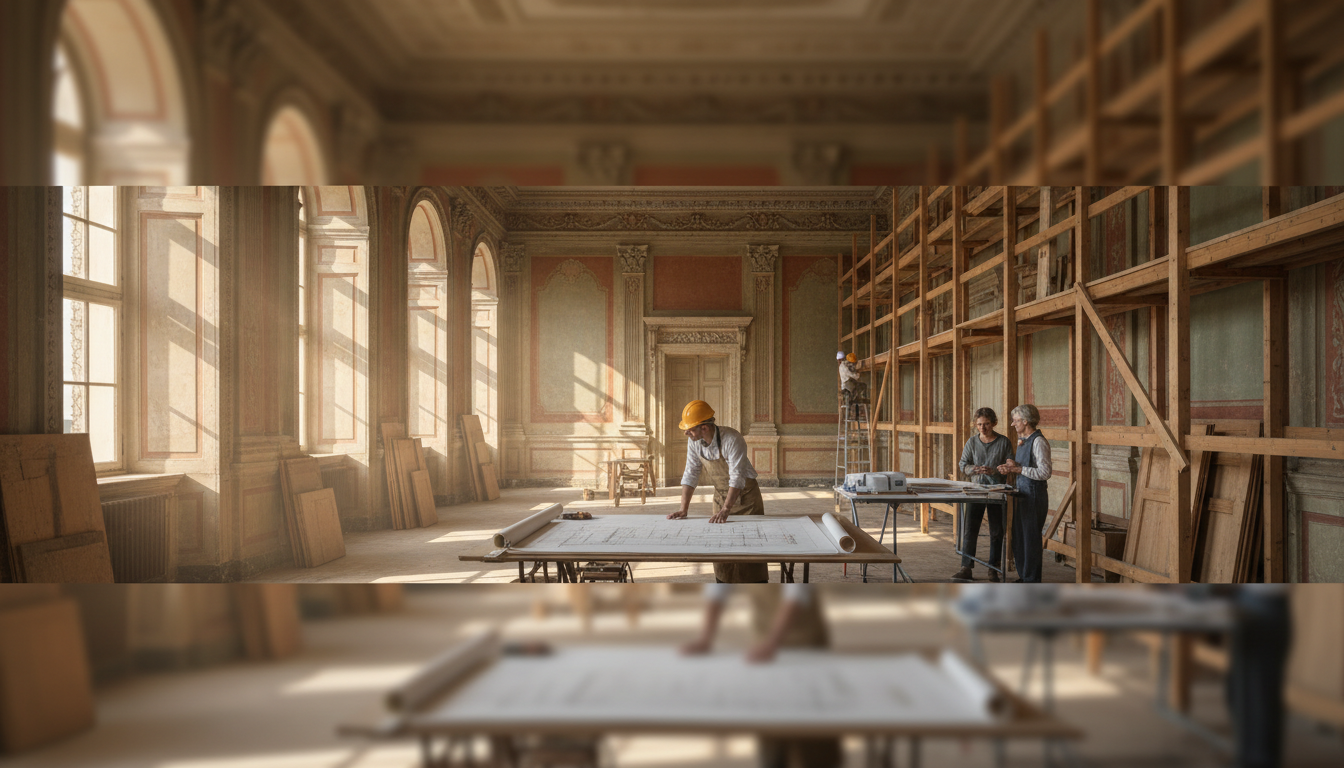
Case Study 1: The Renovation of The Royal Hotel
The Royal Hotel, a 19th-century landmark, was deteriorating rapidly before the local government initiated a comprehensive restoration project. The goal was to maintain its original charm while updating the infrastructure to meet modern standards.
Key strategies included using period-appropriate materials and collaborating with skilled artisans familiar with historical techniques. The project was completed under budget and ahead of schedule, showcasing effective planning and execution.
Case Study 2: Revitalization of The Old Town Hall
The Old Town Hall, a cornerstone of civic history, underwent a remarkable transformation. The preservation team focused on restoring key architectural features such as the grand façade and intricate woodwork.
A significant challenge was integrating new technologies without compromising historical integrity. The solution was a discreet installation of modern amenities, ensuring the building's functionality for contemporary use.
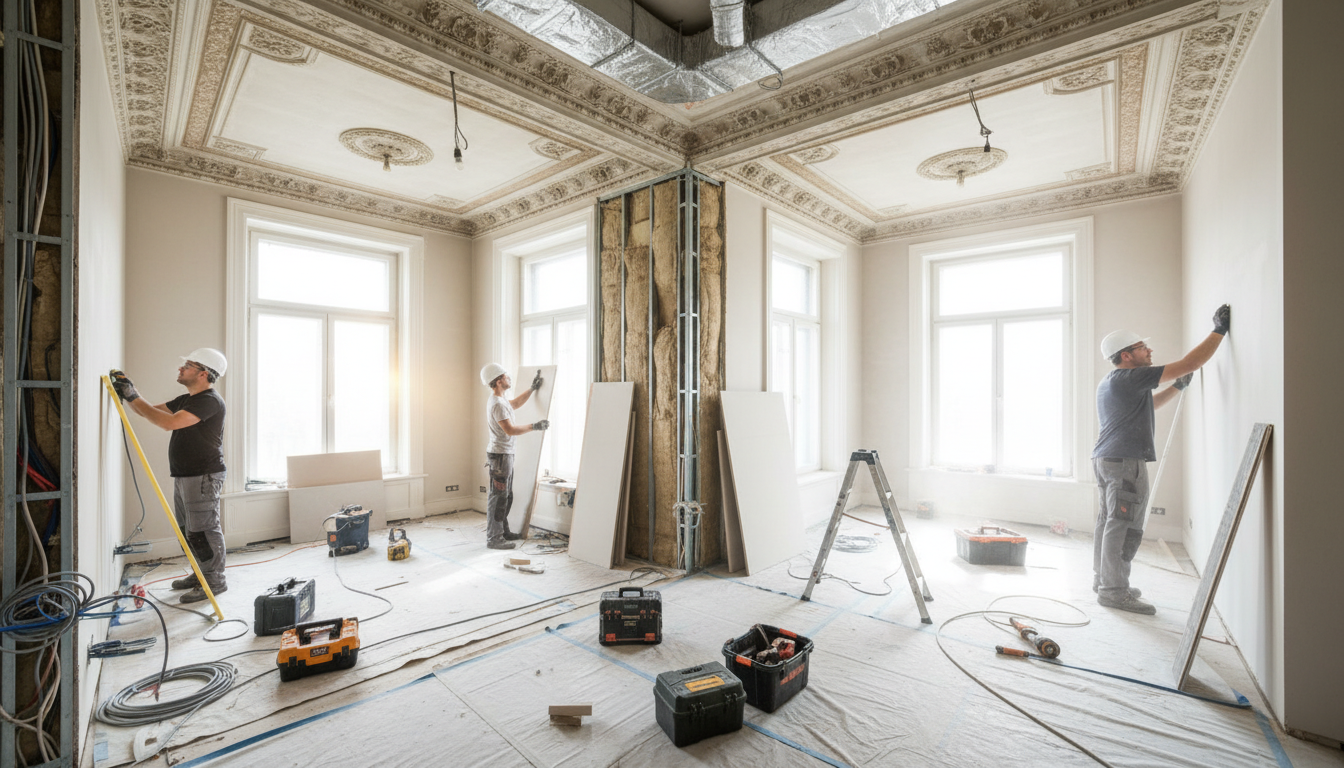
Key Benefits of Historic Preservation
Historic preservation projects offer numerous benefits. Some of the most impactful include:
- Economic Growth: Restored buildings can boost local economies by attracting tourism and creating jobs.
- Cultural Enrichment: Preserving history enhances community identity and pride.
- Sustainability: Reusing buildings is often more environmentally friendly than new construction.
Case Study 3: The Transformation of The Greenway Warehouse
The Greenway Warehouse was transformed from an abandoned industrial site into a vibrant community center. This project highlighted the importance of adaptive reuse in preservation.
By retaining the warehouse's industrial aesthetic and incorporating sustainable design practices, the project successfully merged history with innovation, creating a lively space for community activities.

Lessons Learned from Successful Projects
Analyzing these case studies reveals several critical lessons for future preservation efforts:
- Community Involvement: Engaging local communities ensures that projects meet the needs and values of residents.
- Collaboration with Experts: Involving historians, architects, and craftsmen can enhance the authenticity of restoration work.
- Balancing Old and New: Successfully blending modern amenities with historic features can enhance usability while preserving character.
Conclusion
Historic building preservation is an essential practice that bridges the past and present. By studying successful projects, communities can learn effective strategies to protect their architectural heritage, ensuring that these structures continue to inspire generations to come.