Case Study: Successful Historic Building Maintenance Projects


Introduction to Historic Building Maintenance
Maintaining historic buildings is a task that requires a delicate balance between preserving the past and integrating the present. Successful maintenance projects not only protect cultural heritage but also enhance the building’s functionality for modern use. This post explores some exemplary projects that have achieved this balance.
Several key factors contribute to the successful maintenance of historic structures. These include a deep understanding of the building's historical context, the use of appropriate materials, and collaboration with experts in historic preservation.

The Importance of Historical Context
Understanding the historical context of a building is crucial. This involves researching the original architecture, materials used, and the building's significance. For instance, a project in London focused on preserving Victorian-era features while upgrading the building to meet current safety standards. This approach ensured that the building retained its original charm while being fully functional for contemporary use.
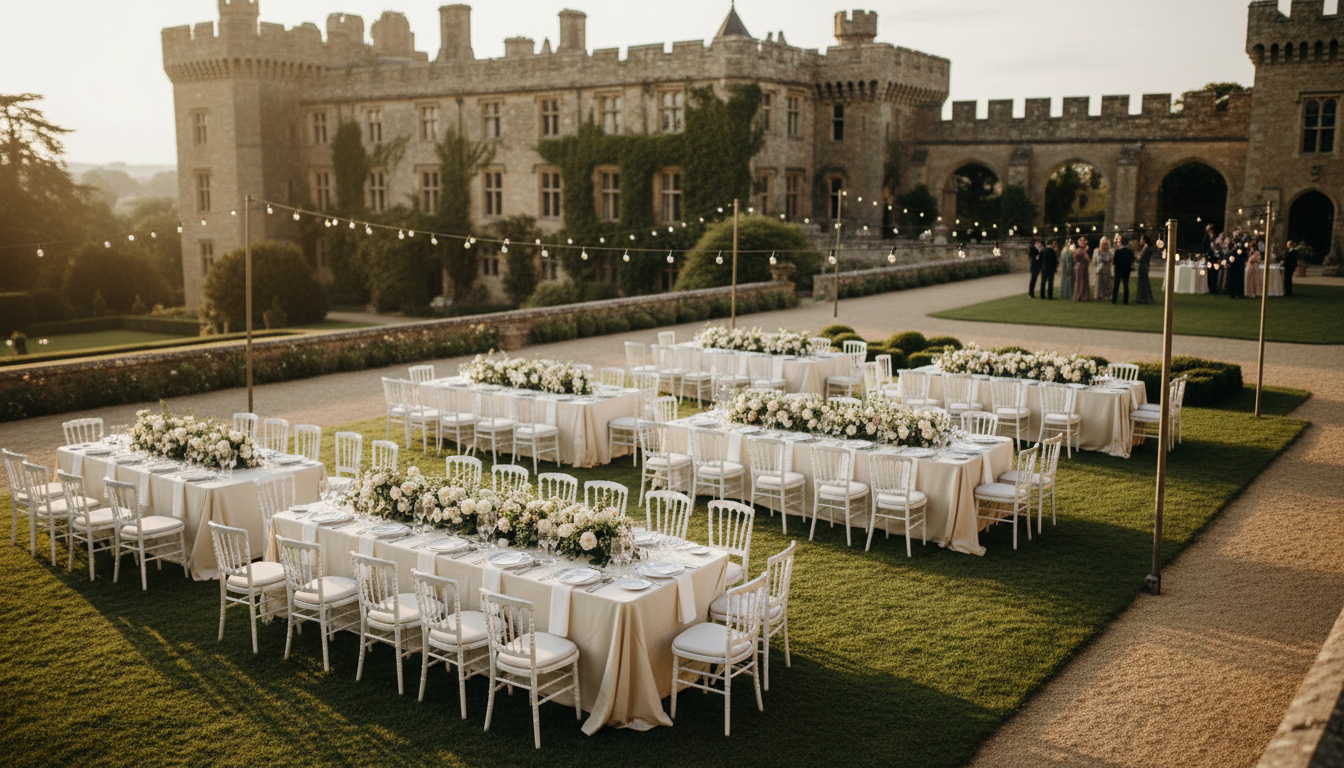
Another example is a castle in Spain that was restored to highlight its medieval origins. The project team meticulously documented the structure’s history and employed traditional techniques to preserve its authenticity.
Materials and Techniques
Using the correct materials and techniques is essential in historic building maintenance. One successful project involved the restoration of a 19th-century library. The team sourced original bricks from a nearby site and used lime mortar to match the original construction methods. This attention to detail helped maintain the building's structural integrity and aesthetic appeal.
In contrast, a project in New York employed modern materials that mimicked the appearance of the original ones. This allowed for improved durability while maintaining the building's historic look.

Collaboration with Experts
Collaborating with experts is another critical aspect of successful historic building maintenance. Architects, historians, and conservationists work together to ensure that every aspect of the project aligns with preservation goals. A notable project in Paris involved a team of specialists who restored a historic theater. Their combined expertise ensured the theater remained a cultural landmark while meeting modern standards.
Additionally, engaging with local communities can enhance the maintenance process. By involving those who have a vested interest in the building, projects can benefit from local knowledge and support.
Conclusion
Historic building maintenance is a complex yet rewarding endeavor. Successful projects require a harmonious blend of historical respect, material accuracy, and expert collaboration. These case studies highlight how careful planning and execution can preserve our architectural heritage for future generations to enjoy.
By learning from these examples, those involved in similar projects can implement strategies that respect the past while accommodating the needs of the present.