Building Facade Restoration: Key Techniques and Innovations


Understanding Building Facade Restoration
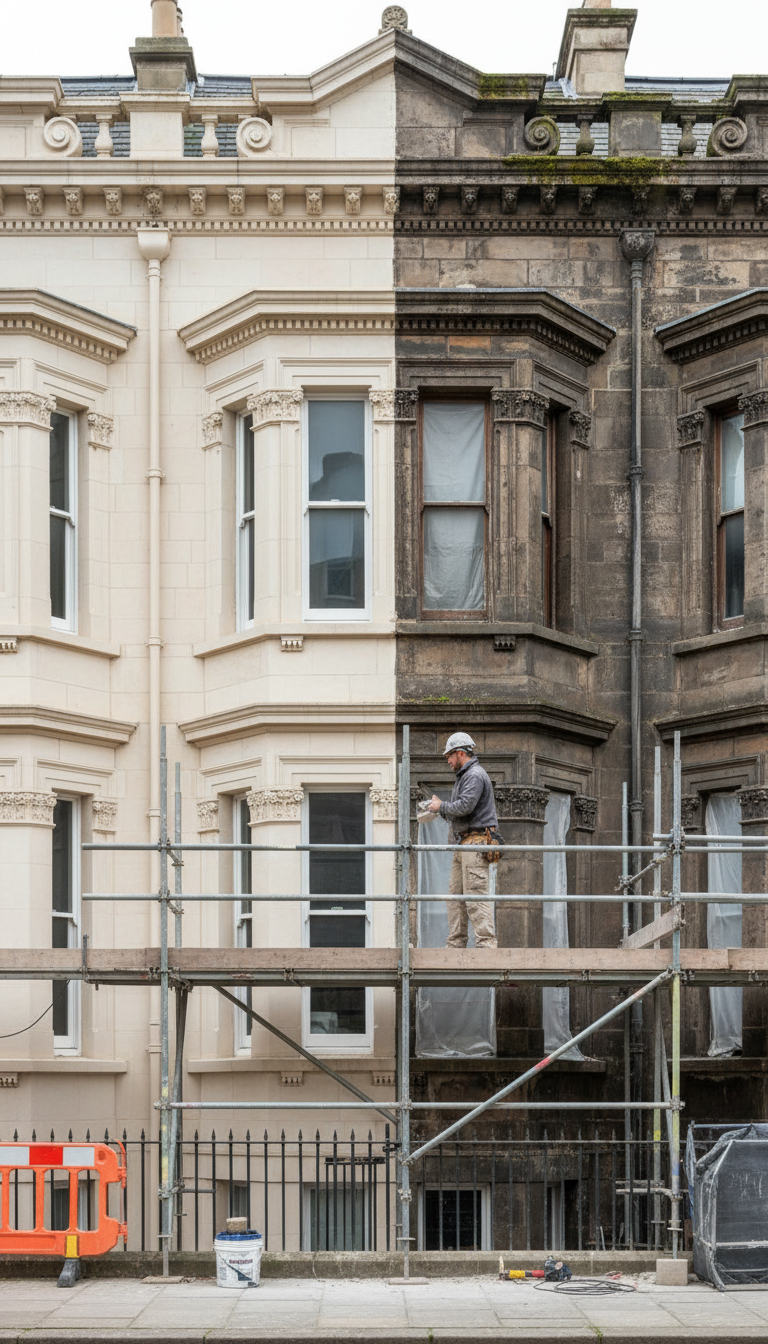
Building facade restoration is an essential process that helps preserve the aesthetic and structural integrity of historical and modern structures. This process involves a series of techniques aimed at cleaning, repairing, and protecting the exterior surfaces of buildings. With advances in technology, facade restoration has evolved significantly over the years, offering more efficient and sustainable solutions.
Common Techniques in Facade Restoration
The restoration of building facades typically involves several key techniques. One of the most common methods is cleaning, which removes dirt, pollutants, and biological growth. Various cleaning methods include water washing, chemical cleaning, and abrasive cleaning, each chosen based on the material and condition of the facade.
Another crucial technique is repairing. This involves fixing cracks, replacing damaged materials, and reinforcing structural elements. Depending on the material—whether brick, stone, or concrete—specific repair methods are applied to ensure durability and aesthetic consistency.
Innovative Technologies in Restoration
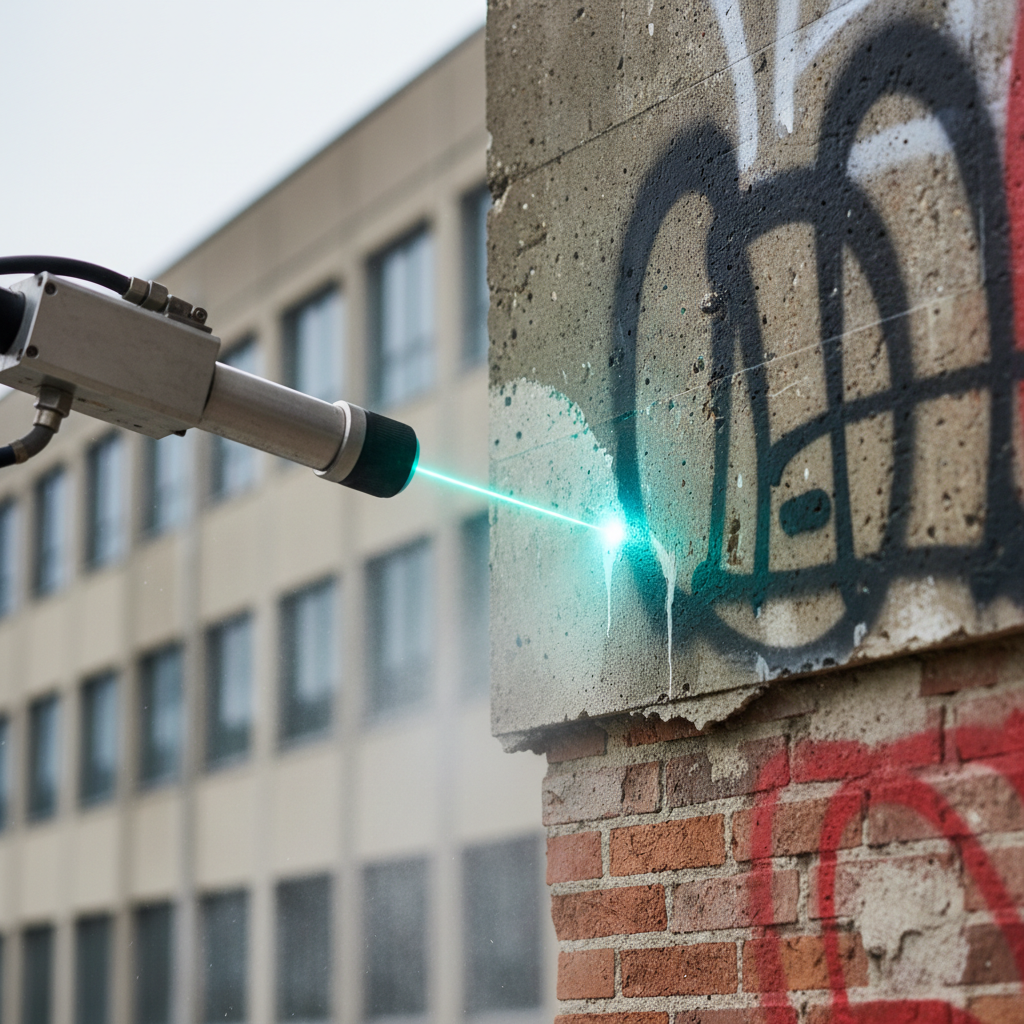
Recent innovations in facade restoration have introduced technologies such as laser cleaning and robotic inspection. Laser cleaning offers a non-invasive method to remove contaminants without damaging the underlying material. This technique is particularly useful for delicate surfaces and intricate designs.
Additionally, robotic inspection enhances the assessment process by providing detailed analyses of hard-to-reach areas. These robots can capture high-resolution images and data, allowing restoration specialists to make informed decisions about necessary repairs.
Environmental Considerations
Modern facade restoration also emphasizes sustainability. Eco-friendly materials and techniques are increasingly being used to minimize the environmental impact. For instance, the use of biodegradable cleaning solutions helps reduce pollution and protect the surrounding ecosystem.
Furthermore, restoration projects often incorporate energy-efficient designs and materials that improve a building's thermal performance. This not only enhances sustainability but also reduces energy costs for building owners.

Challenges and Solutions
Despite these advancements, facade restoration presents several challenges. The need to balance historical preservation with modern safety standards can be complex. Additionally, unforeseen damage or structural issues can arise during the restoration process.
To address these challenges, restoration experts often rely on comprehensive planning and skilled craftsmanship. Collaboration with architects, historians, and engineers ensures that restoration projects are executed successfully, preserving the building's legacy while meeting contemporary standards.

The Future of Facade Restoration
As technology continues to advance, the future of building facade restoration looks promising. Innovations such as 3D printing for custom repairs and AI-driven predictive analytics for maintenance are set to revolutionize the industry.
These technologies promise to make restoration more efficient, cost-effective, and sustainable, ensuring that our architectural heritage is preserved for future generations while adapting to modern needs.