Building Facade Restoration: Enhancing Aesthetic and Structural Integrity


The Importance of Building Facade Restoration
Building facades are more than just the face of a structure; they play a crucial role in defining its character and ensuring its longevity. Over time, exposure to environmental elements can lead to deterioration, impacting both the aesthetic appeal and structural integrity of the building. This is where facade restoration becomes essential.
Restoration not only revitalizes the visual appearance of a building but also contributes significantly to its structural health. Addressing issues such as cracks, water infiltration, and material degradation can prevent further damage and extend the lifespan of the structure.

Common Facade Issues
Facade deterioration can manifest in various ways. Some common issues include:
- Cracking: Often caused by temperature fluctuations and settling.
- Water Damage: Stains, mold, and structural weakening due to leaks.
- Material Erosion: Weathering of materials like stone, brick, or concrete.
Identifying these issues early on can save significant costs and efforts in the long run. Regular inspections and maintenance are key to preventing extensive damage.

Restoration Techniques
Various techniques are employed in facade restoration, depending on the materials and extent of damage. Some popular methods include:
- Cleaning: Removing dirt, pollutants, and biological growth.
- Repointing: Replacing damaged mortar between bricks or stones.
- Sealants: Applying protective coatings to prevent water ingress.
Each technique requires skilled professionals to ensure effectiveness and safety. Choosing the right approach is crucial for a successful restoration project.
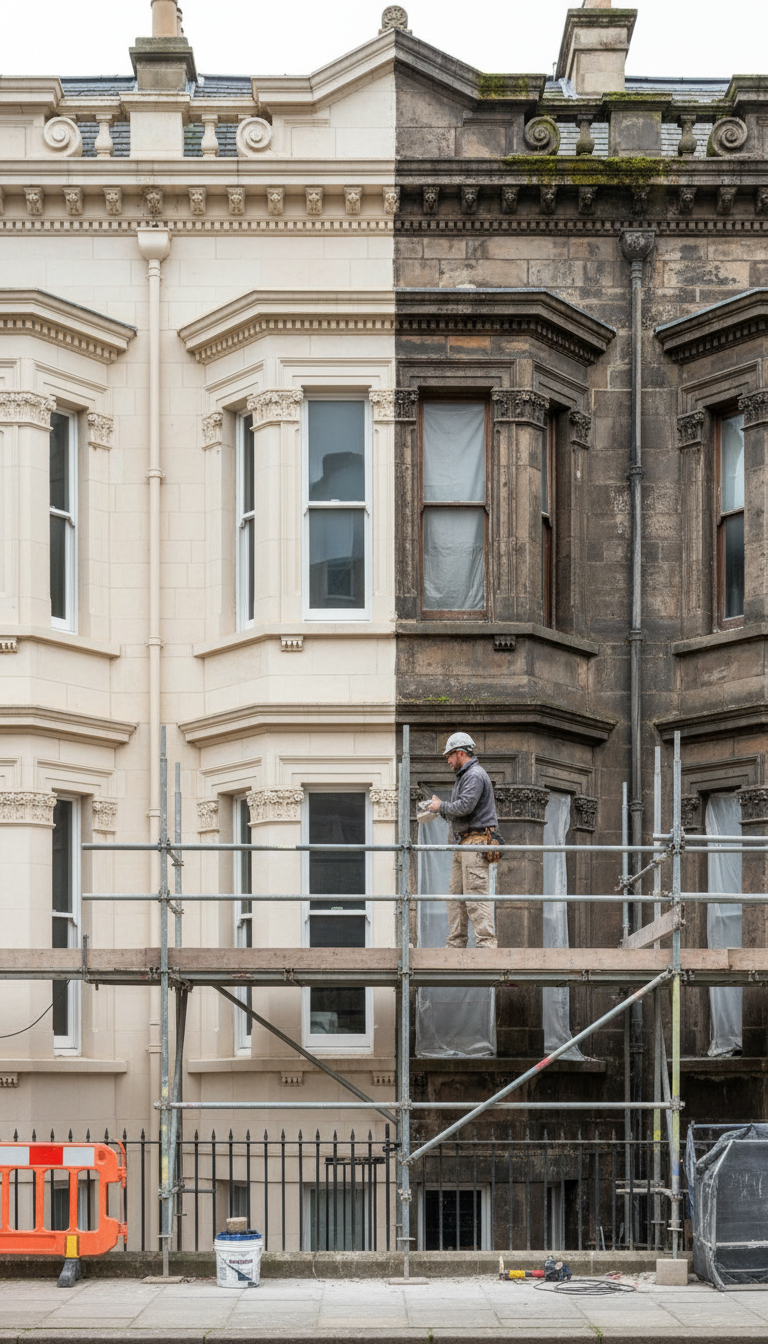
Enhancing Aesthetic Appeal
Beyond structural benefits, facade restoration significantly enhances the aesthetic appeal of a building. Restored facades can transform a dated, worn-out appearance into a vibrant and inviting one. This is particularly beneficial for historic buildings, where preserving the original charm is paramount.
Modern restoration projects often incorporate innovative design elements, blending traditional aesthetics with contemporary trends. This not only improves the visual appeal but can also increase the property’s value.
Conclusion
Building facade restoration is an essential investment for maintaining both the aesthetic and structural integrity of a building. Whether you're dealing with minor cosmetic issues or significant structural concerns, timely restoration can prevent further damage and enhance the overall value of the property. Engaging with experienced professionals ensures that the restoration process is effective and aligns with the building's unique requirements.
In conclusion, facade restoration is more than just a facelift for buildings; it is a crucial measure to safeguard against long-term deterioration and preserve architectural heritage.